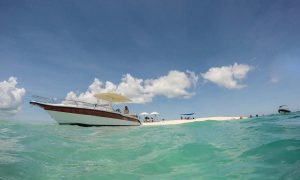
Is Mozambique Safe? National Security Conditions and Travel Risk Overview
Mozambique Travel Safety guide covering flood risk, cyclone exposure, malaria zones, road safety, safari regions, and emergency response capacity.
Mozambique’s National Security Environment and Structural Risk Profile
Mozambique occupies a strategic position along the Indian Ocean coastline of Southern Africa. It is geographically expansive, infrastructure limited in parts, and heavily dependent on tourism, extractive industries, and regional trade corridors. It is politically stable at national level but experiences localized security variation.
A credible assessment of whether Mozambique is safe must differentiate between national stability, regional insurgency activity in the far north, and the structured tourism corridors used by international visitors.
Mozambique does not face nationwide instability. However, it has experienced insurgent activity in Cabo Delgado province in the extreme north. This activity is geographically concentrated and does not extend into the southern and central tourism regions most commonly visited by international travelers.
Primary risk variables relevant to visitors include:
- Regional insurgency risk in far northern Cabo Delgado
- Infrastructure limitations in rural areas
- Cyclone and flood exposure
- Limited advanced medical capacity
- Road condition variability
- Petty theft in urban zones
For structured international visitors operating within southern and central tourism corridors, the probability of serious harm remains low.
Geographic Risk Differentiation Across Mozambique
Mozambique’s safety environment varies significantly by province.
Maputo and Southern Mozambique
The capital and surrounding coastal zones operate as structured urban environments. Crime is primarily opportunistic. Political instability risk is low. Infrastructure is stronger relative to other provinces.
Inhambane Province
Home to Tofo and Vilanculos. These areas function as established tourism hubs. Crime against visitors is rare and typically limited to petty theft.
Bazaruto Archipelago
Island and mainland lodge environments are highly controlled and isolated from urban crime exposure. Wildlife and marine conditions represent greater risk variables than criminal activity.
Gorongosa and Central Mozambique
Safari zones operate under regulated systems. Criminal exposure inside conservancies is negligible. Infrastructure access and evacuation logistics become primary considerations.
Cabo Delgado
Insurgency activity has occurred in parts of this northern province. International travel advisories typically restrict non essential travel to affected districts. This region lies far north of mainstream tourism corridors.
Mozambique’s risk landscape is region specific rather than nationally uniform.
Urban Crime Patterns and Visitor Exposure
Mozambique’s urban crime profile is lower than South Africa but higher than some neighboring countries in petty theft concentration.
Most common exposures include:
- Phone snatching
- Pickpocketing
- Bag theft from vehicles
- Informal currency exchange scams
Violent crime targeting tourists is uncommon.
Scenario Model 1
Visitor displaying high value electronics in central Maputo at night. Exposure risk increases due to opportunistic targeting.
Scenario Model 2
Visitor using structured transfers, established hotels, and avoiding isolated urban areas after dark. Exposure remains low.
Crime in Mozambique is opportunistic and economically driven rather than systemic.
Political Stability and Protest Risk
Mozambique operates under centralized political leadership with periodic elections. Protests linked to economic conditions may occur, typically in urban centers.
Key characteristics:
- Protests are localized
- Security forces respond quickly
- Tourists are rarely targeted
- Road disruption is the primary indirect risk
Political unrest does not generally extend into tourism infrastructure zones.
Monitoring advisories during election periods reduces exposure.
Infrastructure and Operational Exposure
Mozambique’s infrastructure capacity varies by region.
Key factors include:
- Power outages
- Fuel supply variability
- Road surface degradation
- Limited emergency roadside services
- Long travel distances between towns
Established safari lodges and coastal resorts operate with contingency systems such as generators and fuel reserves.
Infrastructure variability represents operational inconvenience risk rather than systemic violence risk.
Road Transport and Infrastructure Risk
Road accident risk exceeds violent crime risk for many visitors.
Contributing factors:
- Pothole damaged highways
- Livestock crossings
- Limited night lighting
- Minimal signage in rural areas
- Long distances without services
Night driving significantly increases collision probability.
Structured lodge transfers and professional drivers materially reduce exposure.
Safari and Wildlife Safety Environment
Mozambique is internationally recognized for:
- Gorongosa National Park
- Bazaruto Archipelago
- Tofo and Inhambane marine zones
- Vilanculos coastline
Wildlife and marine exposure represent primary safety variables.
Risk factors include:
- Unsupervised ocean swimming
- Strong currents and rip tides
- Diving without certified operators
- Heat exposure during dry season
- Leaving safari vehicles without ranger guidance
Crime inside safari conservancies and island lodges is extremely rare.
Medical evacuation logistics remain critical in remote regions.
Healthcare Infrastructure and Emergency Capacity
Mozambique’s advanced medical capability is limited outside Maputo.
Maputo offers:
- Private clinics
- Basic trauma stabilization
- Limited specialist services
Outside the capital, advanced trauma and surgical facilities are constrained.
Serious medical emergencies often require evacuation to:
- South Africa
- Nairobi
- Or other regional hubs
Travel insurance with evacuation coverage is essential for visitors.
Response delays are more likely due to infrastructure gaps than violence.
Border and Cross-Border Risk
Mozambique borders:
- South Africa
- Zimbabwe
- Zambia
- Malawi
- Tanzania
- Eswatini
Cross border tourism is common, particularly between Kruger and southern Mozambique.
Primary exposure risks include:
- Documentation errors
- Long queues during peak periods
- Vehicle insurance requirements
- Fuel shortages near crossings
- Visa misunderstanding
Violent cross border instability is not a primary risk factor in southern corridors.
Environmental and Seasonal Risk
Mozambique is highly exposed to seasonal weather patterns.
Key environmental risks include:
- Tropical cyclones between November and April
- Flooding in low lying coastal zones
- Road washouts during heavy rainfall
- Extreme heat in dry season
- Malaria in many regions
Environmental factors affect logistics and health exposure more than personal security.
Risk Probability by Travel Structure
Lower Exposure Profile
- Guests in private safari lodges
- Island and structured beach resorts
- Pre arranged transfers
- Guided tours
Higher Exposure Profile
- Independent overland travel
- Night driving on rural highways
- Informal currency exchange
- Travel into restricted northern districts
Structured travel materially reduces exposure in Mozambique.
Operational Preparedness for Mozambique
Effective safety management includes:
- Monitoring regional advisories
- Avoiding non essential travel to affected northern districts
- Using verified accommodation and transport
- Carrying small denomination USD where required
- Ensuring evacuation coverage
- Implementing malaria prevention in affected zones
Mozambique is not characterized by nationwide instability. It is characterized by regional variation, infrastructure limitations, and seasonal environmental exposure.
TravelSafe SOS provides centralized 24 hour coordination across Mozambique’s cities, safari regions, coastal zones, and cross border corridors, strengthening escalation clarity in environments where medical access and infrastructure capacity may be inconsistent.

Is Tofo Safe for Travellers
Understanding Safety in Tofo Tofo is not a controlled resort
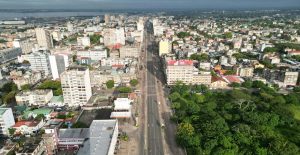
Mozambique Road Travel Safety and Transport Risks
Understanding Road Travel in Mozambique Mozambique is not a destination
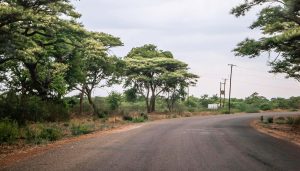
Mozambique Road Travel and Transport Safety
Understanding Mozambique Transport Safety in 2026 Transport safety in Mozambique
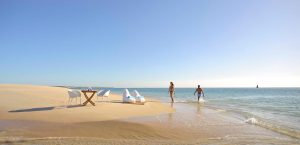
Is Mozambique Safe for Tourists? National Security Conditions and Travel Risk Overview
Understanding the Safety Environment in Mozambique Mozambique is an emerging
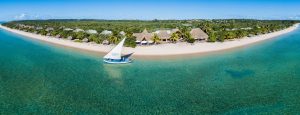
Mozambique Travel Safety 2026: A Complete Guide for Tourists Visiting Beaches, Cities and Safari Regions
Understanding Mozambique Travel Safety in 2026 Mozambique Travel Safety in
Frequently Asked Questions
Is Mozambique safe for tourists
Mozambique is generally safe for tourists operating within southern and central tourism corridors such as Maputo, Inhambane, Vilanculos, and established safari regions. Risk is region specific, with northern Cabo Delgado presenting separate security considerations. Crime exposure is typically opportunistic rather than violent or systemic.
Is it safe to travel to Bazaruto
Bazaruto Archipelago is a structured island tourism zone with very low crime exposure. Primary risks relate to marine conditions, strong currents, and evacuation logistics rather than criminal targeting. Staying within regulated lodge systems significantly reduces exposure.
Is there terrorism in Mozambique
Insurgent activity has occurred in parts of Cabo Delgado province in northern Mozambique. This activity is geographically concentrated and does not affect mainstream southern tourism areas. Travelers should monitor advisories and avoid restricted northern districts.
Are roads in Mozambique dangerous
Road accident risk exceeds violent crime risk for many visitors. Potholes, livestock crossings, and limited night lighting increase collision probability. Structured transfers arranged through reputable operators reduce exposure significantly compared to independent night driving.
Does Mozambique have good hospitals
Advanced medical facilities are limited outside Maputo. Serious trauma cases may require evacuation to South Africa or another regional hub. Travel insurance with medical evacuation coverage is strongly recommended for visitors.
What is the biggest safety risk in Mozambique
Infrastructure variability and seasonal environmental hazards present greater practical risk than violent crime for most visitors. Cyclones, flooding, road conditions, and medical access limitations require structured planning and evacuation readiness.