
Understanding Mozambique Travel Safety in 2026
Mozambique Travel Safety in 2026 is best understood through geography, infrastructure and regional variation rather than broad assumptions about the country as a whole. Mozambique stretches more than 2,500 kilometres along the Indian Ocean and includes a wide range of travel environments. Visitors typically arrive in Maputo or Vilanculos before travelling onward to coastal islands, marine reserves or inland wildlife areas such as Gorongosa National Park.
Tourism in Mozambique remains focused on specific regions rather than the entire country. These areas operate under established travel networks involving organised transfers, recognised accommodation providers and local guides who understand conditions on the ground. Travellers who follow structured itineraries within these tourism corridors generally experience safe and well organised journeys.
Understanding Mozambique Travel Safety requires recognising that exposure levels differ significantly between environments. Coastal resorts, island lodges and safari concessions function under controlled tourism systems where visitors rarely encounter safety problems. Urban areas and transport routes require the same level of situational awareness expected in many developing travel destinations.
Mozambique’s travel safety landscape can be viewed through several practical exposure areas:
- Urban safety considerations in Maputo and regional towns
- Transport conditions between cities and tourism regions
- Marine and ocean safety along the Indian Ocean coast
- Wildlife proximity in national parks and conservation areas
- Healthcare access and emergency response capability
- Seasonal weather and environmental conditions
These elements help travellers understand how to move confidently through Mozambique’s main tourism destinations while reducing uncertainty during their journey.
Key Safety Considerations for Travelling in Mozambique
Mozambique is a large country with infrastructure that varies considerably between regions. While some tourism areas are highly organised and accessible, other parts of the country remain remote and sparsely populated. Safety therefore depends largely on travel planning, transport choices and local knowledge.
Petty theft represents the most common issue affecting travellers, particularly in busy city areas or crowded transport hubs. Opportunistic theft can occur if visitors carry visible valuables or move through unfamiliar neighbourhoods late at night. Violent crime targeting tourists is relatively uncommon in established tourism areas but travellers should still follow sensible precautions.
Several practical measures significantly reduce exposure while travelling in Mozambique. Using organised airport transfers arranged through hotels or tour operators prevents confusion when arriving in unfamiliar destinations. Avoiding isolated walking routes after dark reduces vulnerability in urban areas. Storing passports and valuables in hotel safes prevents opportunistic theft in busy environments.
Travellers should also ensure that activities such as diving, fishing or island excursions are booked through licensed operators. These providers maintain safety equipment, experienced crews and local knowledge of marine conditions.
Preparation remains one of the most effective tools for reducing risk. Visitors who travel with organised itineraries and trusted operators generally experience smooth and enjoyable journeys throughout Mozambique.
Safety in Maputo and Mozambique’s Main Cities
Maputo, the capital city of Mozambique, serves as the primary international gateway to the country. The city combines Portuguese colonial architecture, modern restaurants and a growing tourism sector. Many travellers pass through Maputo when connecting to southern beach destinations such as the Santa Maria Peninsula or Machangulo.
Safety conditions in Maputo vary between districts. Areas such as Polana, Sommerschield and the coastal Marginal are widely used by international travellers and diplomatic communities. Hotels and restaurants in these neighbourhoods maintain visible security and organised transport options.
As in many large cities, exposure increases when travellers move through unfamiliar areas without guidance. Walking long distances at night, carrying visible electronics or using unverified taxis can increase vulnerability to opportunistic crime.
Visitors can reduce risk by relying on hotel transport, registered taxis or organised transfers when moving around the city. Many accommodation providers offer drivers who are familiar with local routes and safe transport practices.
Other regional towns such as Vilanculos, Inhambane and Pemba are smaller and generally calmer than the capital. Tourism areas within these towns tend to be relaxed environments where travellers encounter minimal security concerns.
Coastal and Island Safety Along Mozambique’s Indian Ocean
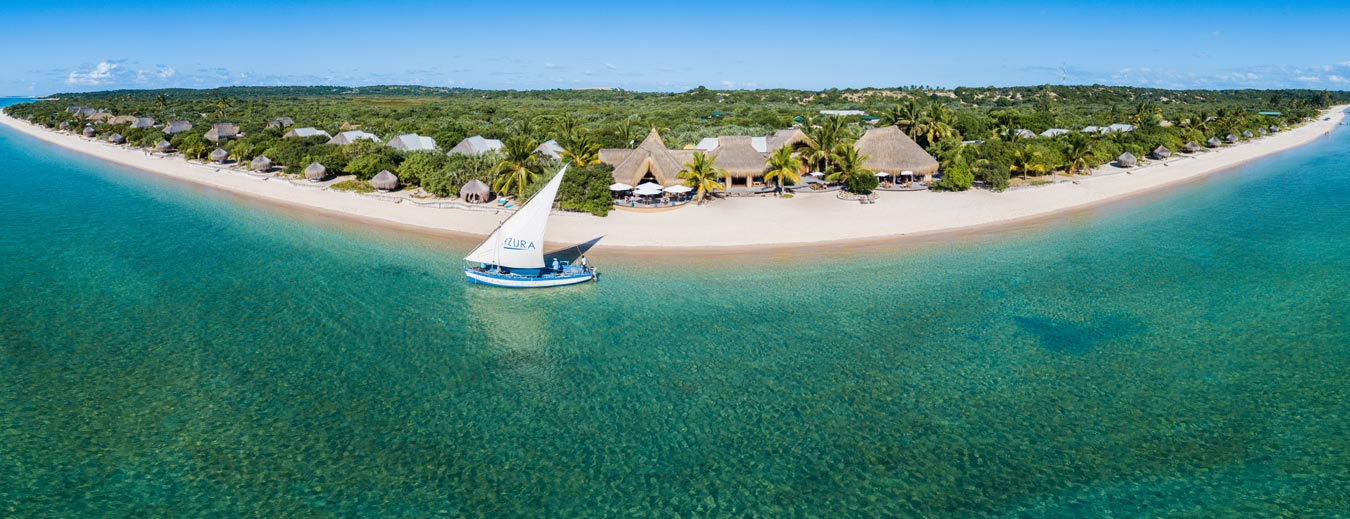
Mozambique’s coastline is one of the longest in Africa and forms the foundation of the country’s tourism industry. Destinations such as the Bazaruto Archipelago, Vilanculos, Tofo and the Santa Maria Peninsula attract visitors seeking marine wildlife, coral reefs and remote beaches.
Safety considerations along the coast are usually environmental rather than criminal. Ocean conditions change with tides, currents and seasonal winds. Travellers unfamiliar with these dynamics should always consult local guides or resort staff before swimming, diving or embarking on boat trips.
Marine activities such as snorkelling, deep sea fishing and dhow excursions are popular along the coast. These activities should always be arranged through licensed operators who provide proper safety equipment and experienced crews.
Leaving valuables unattended on beaches can occasionally lead to opportunistic theft, particularly in areas with higher visitor traffic. Travellers should use hotel safes and remain aware of belongings when visiting public beach areas.
Many coastal communities in Mozambique maintain strong local traditions and fishing cultures. Visitors are welcomed warmly but should approach village areas respectfully and ask permission before photographing people or private homes.
Safari Safety in Gorongosa and Mozambique’s Wildlife Areas
Mozambique is increasingly recognised for its wildlife conservation success, particularly in Gorongosa National Park. Located in central Mozambique, Gorongosa has become one of Africa’s most significant restoration projects following decades of ecological recovery.
Safari environments operate under structured tourism systems similar to other African national parks. Visitors participate in guided game drives led by trained guides and park rangers who understand wildlife behaviour and environmental conditions.
Crime within safari parks is extremely rare. The primary safety considerations relate to wildlife proximity and environmental awareness rather than criminal threats.
Guests must remain inside vehicles during game drives and follow instructions provided by guides when observing animals. Approaching wildlife on foot or ignoring ranger guidance can increase risk because animal behaviour becomes unpredictable when humans move too close.
Safari lodges and camps maintain communication systems to coordinate support if necessary. Although these regions are remote, professional operators ensure that visitors remain connected and supported throughout their stay.
Transport and Road Safety in Mozambique
Transport safety represents one of the most important practical considerations for travellers moving between destinations in Mozambique. Distances between cities, beaches and parks can be considerable, and road conditions vary depending on the region.
Major highways connecting Maputo, Vilanculos and Beira are generally accessible, but rural roads may be uneven and poorly lit after sunset. Livestock, pedestrians and wildlife may occasionally cross roads in remote areas.
Long driving distances can also lead to fatigue for drivers undertaking extended journeys. For this reason most tourism operators schedule transfers during daylight hours and include rest stops along longer routes.
Travellers unfamiliar with local driving conditions often find organised transfers safer than independent driving. Professional drivers who operate tourism routes regularly understand road conditions and adjust travel speeds accordingly.
Transport planning therefore plays a central role in Mozambique Travel Safety. Visitors relying on structured itineraries and experienced drivers significantly reduce road related risks.
Medical Infrastructure and Health Considerations
Healthcare infrastructure in Mozambique varies significantly between major cities and remote regions. Private hospitals and clinics in Maputo provide the most advanced medical services in the country. Facilities in regional towns are more limited and may focus on basic care.
Travellers visiting remote coastal areas or safari regions should understand that distance from major hospitals may influence emergency response times. Serious medical incidents may require evacuation to Maputo or neighbouring countries with larger medical facilities.
Common health considerations for travellers include malaria exposure in certain regions, dehydration during hot weather and limited pharmacy availability outside major towns. Preventive measures such as malaria prophylaxis, vaccinations and travel insurance help reduce health related risks.
Visitors travelling to remote islands or wilderness areas should ensure that accommodation providers have clear procedures for coordinating emergency transport if necessary.
Understanding healthcare access across Mozambique allows travellers to prepare appropriately before beginning their journey.
Political Stability and Regional Security Awareness
Mozambique generally maintains a stable political environment, particularly in the southern and central regions where most tourism occurs. However travellers should remain aware of regional developments, especially in the far north of the country where security conditions have fluctuated in recent years.
Most tourism destinations are located far from these northern areas and continue to operate normally. Visitors travelling within recognised tourism regions rarely encounter security concerns related to regional instability.
As with travel in any country, visitors should remain informed about local developments and follow guidance from accommodation providers or tour operators when moving between regions.
Environmental and Seasonal Travel Conditions
Mozambique’s climate is influenced by tropical weather patterns that include seasonal rainfall and occasional cyclones along the Indian Ocean coast. These environmental factors primarily affect travel logistics rather than personal security.
The rainy season can influence road conditions in rural areas and increase travel times between destinations. Cyclone season may bring temporary disruptions to coastal regions, although tourism operators closely monitor weather systems and adjust travel arrangements when necessary.
Understanding seasonal conditions allows travellers to plan journeys that align with weather patterns and infrastructure accessibility.
Across Mozambique’s diverse landscapes, from coral islands to savannah wilderness, travellers who approach their journey with awareness and structured planning typically experience safe and memorable adventures throughout the country.
Frequently Asked Questions
Is Mozambique safe for tourists in 2026
Mozambique is generally safe for tourists travelling within the country’s main tourism corridors. Most visitors stay in coastal destinations such as Vilanculos, the Bazaruto Archipelago, Tofo and Inhambane or visit Gorongosa National Park on organised safaris. These areas operate through structured lodges, resorts and tour operators where exposure to crime is very low. Travellers who use organised transfers, reputable accommodation and licensed guides typically experience safe journeys throughout these destinations.
Is it safe to travel to Mozambique right now
Yes, travel to Mozambique remains active and tourism continues to operate normally in the southern and central regions most visitors explore. Destinations such as Maputo, Vilanculos, Bazaruto and Inhambane are far from the northern districts where security concerns have occurred in the past. Travellers following recognised tourism routes and staying in established lodges or resorts generally experience stable travel conditions.
Is Maputo safe for tourists and business travellers
Maputo is considered one of the safer capital cities in the region when visitors stay in established districts such as Polana, Sommerschield and along the Marginal coastal road. Hotels, restaurants and business areas in these neighbourhoods regularly host international travellers. Most safety issues involve opportunistic petty theft rather than violent crime. Using registered taxis or hotel transport and avoiding isolated streets late at night significantly reduces risk.
Is the Bazaruto Archipelago safe to visit
Yes. The Bazaruto Archipelago is one of the safest tourism environments in Mozambique. Island resorts operate as controlled lodge environments with organised transfers, guided marine activities and limited external access. Crime affecting visitors is extremely rare. The primary safety considerations relate to ocean conditions, boat transfers and marine activities rather than criminal activity.
Are roads in Mozambique dangerous for travellers
Road travel requires careful planning because distances between destinations can be long and road conditions vary. Some highways have potholes, limited lighting and occasional livestock crossings. Night driving increases accident risk, which is why many safari operators schedule transfers during daylight hours. Travellers using experienced drivers or organised lodge transfers significantly reduce transport related risks.
Does Mozambique have good hospitals for tourists
Mozambique’s most advanced medical facilities are located in Maputo where private clinics provide emergency treatment and basic trauma stabilisation. Outside the capital, medical infrastructure becomes more limited. Serious medical emergencies may require evacuation to larger regional hospitals in neighbouring countries such as South Africa. For this reason travel insurance that includes medical evacuation coverage is strongly recommended.
What are the biggest safety risks when visiting Mozambique
For most visitors the primary risks involve logistics and environment rather than crime. These include long driving distances, ocean currents along the coast, seasonal storms, malaria exposure and limited access to advanced medical care in remote areas. Travellers who follow organised itineraries and stay in established lodges or resorts generally experience very low exposure to serious safety issues.
When is the safest time to visit Mozambique
The dry season between May and October is generally the easiest time to travel because road conditions are more predictable and coastal waters are calmer for marine activities. The rainy season between November and April can bring heavy rainfall and occasional cyclones along the coast which may temporarily affect travel logistics. Tourism continues during this period but travellers should monitor weather conditions.