
Is Rwanda Safe? National Security Conditions and Travel Risk Overview
Rwanda travel safety guide including Kigali transport, gorilla trekking logistics, border awareness, road conditions, and medical planning.
Rwanda’s National Security Environment and Structural Risk Profile
Rwanda is widely regarded as one of the most stable and orderly countries in East Africa. Since the early 2000s the government has invested heavily in security oversight, infrastructure development, and tourism growth. Kigali operates as a highly controlled capital city with visible police presence, strict law enforcement, and strong public order regulations.
Understanding whether Rwanda is safe requires separating its internal governance environment from its regional geography. Rwanda itself maintains tight internal security controls, but it sits within the Great Lakes region, which includes areas of instability in eastern Democratic Republic of Congo.
Within Rwanda’s borders, however, violent crime against visitors is rare. The country is heavily dependent on tourism revenue from activities such as gorilla trekking in Volcanoes National Park, wildlife tourism in Akagera National Park, and cultural travel across Kigali and Lake Kivu.
Primary risk variables relevant to visitors include:
- Petty theft in urban areas
- Road traffic accidents
- Hiking or trekking exposure in remote parks
- Limited specialist medical capacity outside Kigali
- Regional border security considerations
- Health risks such as malaria in lowland regions
For international travelers following established tourism routes and using regulated operators, Rwanda maintains one of the lowest violent crime exposure profiles in sub Saharan Africa.
Geographic Risk Differentiation Across Rwanda
Rwanda’s safety conditions vary by geography, infrastructure access, and activity type.
Kigali
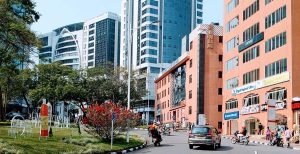
Kigali is widely considered one of the safest capital cities in Africa. Police visibility is high and crime rates remain low. Petty theft can occur in busy markets or public transport hubs but violent crime against visitors is uncommon.
Volcanoes National Park
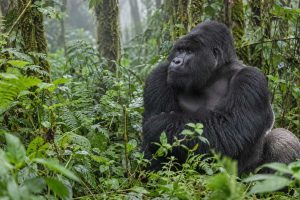
This northern region near the Democratic Republic of Congo border hosts Rwanda’s famous mountain gorilla trekking experiences. Security monitoring around the park is strong due to the high value of tourism. Trekking takes place under controlled ranger supervision.
Akagera National Park
Located in eastern Rwanda near the Tanzanian border, Akagera is a structured wildlife reserve with regulated tourism infrastructure. Wildlife encounters and safari vehicle accidents represent greater risk variables than crime.
Lake Kivu Region
Resort towns such as Gisenyi, Kibuye, and Cyangugu are generally calm tourism zones. Risks are more associated with water safety and transport rather than crime.
Border Regions
Areas near the DRC border require greater awareness due to regional instability across the border, though incidents rarely affect Rwanda’s tourism corridors.
Rwanda’s risk profile is geographically controlled and strongly influenced by security oversight.
Urban Crime Patterns and Visitor Exposure
Rwanda has relatively low crime rates compared to many regional capitals. Kigali’s structured policing and strict legal environment significantly limit street crime.
Most common exposures include:
- Pickpocketing in crowded markets
- Phone theft in public transport areas
- Opportunistic bag theft
- Informal taxi scams
- Theft of unattended items in nightlife areas
Scenario Model 1
Visitor displaying valuables in crowded markets or nightlife areas. Opportunistic theft becomes more likely in these environments.
Scenario Model 2
Visitor using hotel transport, avoiding isolated night movement, and keeping valuables secured. Exposure remains minimal.
Crime patterns affecting visitors in Rwanda are opportunistic and economically motivated rather than organized targeting of tourists.
Political Stability and Governance Environment
Rwanda operates under a highly centralized governance system with strong state control over political activity. The country has experienced significant stability over the past two decades.
Political demonstrations are rare due to strict regulation of public gatherings. When protests do occur, they are typically quickly contained by security forces.
Key characteristics include:
- Strong state security presence
- Strict enforcement of public order laws
- Limited tolerance for political unrest
- High administrative oversight
Tourists are rarely involved in or affected by political activity. The primary indirect exposure risk would involve road closures or heightened security presence near government institutions.
Overall, Rwanda maintains a reputation for strong political stability relative to the surrounding region.
Wildlife Tourism and Trekking Safety
Rwanda’s tourism sector is heavily focused on conservation tourism, particularly mountain gorilla trekking.
Key safety considerations include:
- Steep forest terrain during trekking
- Physical fitness requirements
- Weather related trail conditions
- Close proximity to wildlife
- Strict ranger instructions
Gorilla trekking takes place under structured ranger supervision with limited group sizes. Visitors must follow park authority instructions carefully to reduce injury risk and avoid disturbing wildlife.
Akagera National Park also introduces typical safari safety variables such as wildlife encounters and off road driving risks.
Overall, tourism activities are highly regulated and guided.
Road Transport and Infrastructure Risk
Road traffic accidents represent one of the more common safety exposures for travelers in Rwanda.
Contributing factors include:
- Mountainous terrain and winding roads
- Limited night lighting in rural areas
- Motorbike taxi congestion
- Speed variations on highways
- Weather related visibility issues
Motorbike taxis, commonly used in Kigali, carry higher accident risk when safety helmets are not used properly.
Visitors using licensed tour operators or hotel arranged transfers generally face significantly lower transport exposure than those relying on informal transport.
Healthcare Infrastructure and Emergency Capacity
Rwanda has made significant progress in healthcare infrastructure, particularly in Kigali.
Capabilities include:
- Modern private clinics in the capital
- Government hospitals with improving capacity
- Basic medical facilities in regional towns
However advanced trauma treatment and specialist care remain limited outside Kigali.
Serious medical emergencies may require evacuation to:
- Nairobi
- Johannesburg
- Or other regional medical hubs
Air evacuation logistics depend on aircraft availability and weather conditions. Travel insurance with evacuation coverage is strongly recommended.
Emergency response delays are typically linked to terrain and infrastructure rather than security threats.
Environmental and Health Risk Factors
Health and environmental risks in Rwanda are generally manageable but should not be overlooked.
Relevant variables include:
- Malaria risk in lower altitude regions
- Heavy rainfall during wet seasons
- Slippery trekking conditions in forests
- Altitude changes in mountainous areas
- Water safety considerations around Lake Kivu
Malaria prevention measures are recommended for certain areas, particularly near Akagera and lower elevation zones.
Environmental risks typically affect travel logistics rather than personal security.
Risk Probability by Travel Structure
Lower Exposure Profile
- Travelers using licensed tour operators
- Guided gorilla trekking experiences
- Hotel arranged transport
- Staying in established lodges and hotels
- Organized safari visits to national parks
Higher Exposure Profile
- Independent trekking without authorized guides
- Informal motorbike taxi use
- Night movement in unfamiliar urban areas
- Unregulated transport services
Structured tourism significantly reduces travel risk across Rwanda.
Operational Preparedness for Rwanda
Effective travel safety management in Rwanda includes:
- Booking gorilla trekking through licensed operators
- Using trusted transport providers
- Monitoring regional border advisories
- Carrying adequate travel insurance with
- coverage
- Following park ranger instructions during wildlife encounters
- Maintaining health precautions such as malaria prevention where relevant
Rwanda is not characterized by widespread crime or instability. Its safety profile is shaped more by geography, infrastructure limitations, and tourism activity exposure than systemic violence.
TravelSafe SOS provides centralized 24 hour emergency coordination across Kigali, Volcanoes National Park, Akagera National Park, Lake Kivu, and Rwanda’s cross border transport corridors. This coordination improves response clarity in environments where terrain, remote park locations, and medical infrastructure limitations may affect emergency logistics.
Gorilla Trekking Safety in Uganda and Rwanda
Is Gorilla Trekking Safe? Gorilla trekking in Uganda and Rwanda
Is Kigali Safe for Travellers?
Understanding Safety in Kigali Kigali is widely regarded as one
Rwanda Travel Safety 2026, Essential Risk Awareness Guide
Why Rwanda Travel Safety Requires a Different Assessment Model Rwanda
Frequently Asked Questions
Is Rwanda safe for tourists
Rwanda is generally considered one of the safest countries in Africa for tourists. Violent crime against visitors is rare and security oversight is strong, particularly in Kigali and major tourism areas. Risks are more often linked to transport safety, trekking conditions, and healthcare infrastructure rather than crime.
Is Kigali safe for visitors
Kigali is widely regarded as one of the safest capital cities in Africa. Crime levels are relatively low and police presence is strong. Petty theft can occur in busy markets or nightlife areas but violent crime affecting tourists is uncommon.
Is gorilla trekking in Rwanda safe
Gorilla trekking in Rwanda is considered safe when conducted through authorized park operators. Groups are accompanied by trained rangers who monitor wildlife behavior and manage visitor safety. The main risks involve steep terrain, weather conditions, and physical exertion rather than wildlife aggression.
Is political unrest a risk in Rwanda
Political unrest affecting tourists is very rare in Rwanda. The country maintains strict control over public gatherings and demonstrations. Visitors are unlikely to encounter political disruption during normal travel activities.
Does Rwanda have good hospitals
Rwanda has improving medical facilities, particularly in Kigali where private clinics and hospitals operate with higher standards. Advanced trauma care may still require evacuation to regional hubs such as Nairobi or Johannesburg for specialized treatment.
What is the biggest safety risk in Rwanda
For most visitors the largest practical risk is road traffic accidents or trekking related injuries rather than crime. Rwanda’s mountainous terrain and active tourism activities introduce environmental risks that exceed the probability of violent crime.