
Botswana Travel Safety: Delta Remoteness and Safari Logistics
Botswana’s National Security Environment and Structural Risk Profile
Botswana occupies one of the most stable positions in Southern Africa. It is a long standing multi party democracy with consistent political continuity, low corruption relative to the region, and strong tourism governance in key wildlife areas. It does not face insurgency, civil conflict, or systemic political violence.
A credible assessment of whether Botswana is safe must distinguish between national stability and environmental exposure. Botswana’s risk profile is not driven by violent crime against visitors. It is shaped more by remoteness, wildlife proximity, transport logistics, and medical evacuation capacity in sparsely populated areas.
Security presence in urban areas such as Gaborone and Maun is moderate and stable. Tourism zones are highly regulated.
Primary risk variables relevant to visitors include:
- Wildlife proximity in unfenced safari regions
- Light aircraft transport dependence
- Road accident exposure in remote terrain
- Limited advanced medical facilities outside Gaborone
- Seasonal flooding in the Okavango Delta
- Cross border congestion near Chobe
For structured international visitors operating within regulated safari ecosystems, the probability of serious harm remains very low.
Geographic Risk Differentiation Across Botswana
Botswana’s safety profile varies by activity type rather than by crime concentration.
Gaborone
The capital city experiences low violent crime rates. Petty theft occurs but is limited compared to regional peers. Urban exposure risk is modest.
Maun
Gateway to the Okavango Delta. Crime levels are low. Primary exposure relates to aviation logistics and seasonal flooding rather than urban violence.
Okavango Delta
A vast wetland wilderness ecosystem. Crime exposure is negligible. Wildlife interaction, water navigation, and evacuation logistics represent the primary safety variables.
Chobe National Park
High density wildlife environment bordering Namibia, Zambia, and Zimbabwe. Crime risk inside parks is extremely low. River safety and cross border movement represent more relevant exposure factors.
Central Kalahari
Remote desert terrain. Infrastructure access and extreme temperatures present the primary safety variables.
Botswana’s risk landscape is environment driven rather than crime driven.
Urban Crime Patterns and Visitor Exposure
Botswana has one of the lowest violent crime rates in Southern Africa.
Most common exposures include:
- Pickpocketing
- Vehicle break ins
- Minor ATM related fraud
- Opportunistic theft
Violent crime targeting tourists is rare.
Scenario Model 1
Visitor leaving valuables visible inside an unattended vehicle in Maun. Exposure risk increases.
Scenario Model 2
Visitor staying in secure accommodation and using lodge transfers. Exposure remains very low.
Crime risk in Botswana is limited and opportunistic.
Political Stability and Protest Risk
Botswana maintains strong institutional continuity and predictable governance.
Key characteristics:
- Regular democratic elections
- Low protest frequency
- Stable civil military relations
- Independent judiciary
Political unrest is uncommon and rarely disrupts tourism infrastructure.
Botswana’s stability is a core differentiator within the region.
Okavango Delta Safety Environment
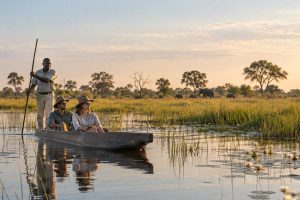
The Okavango Delta is one of the world’s most unique safari ecosystems. It is largely unfenced, meaning wildlife moves freely between camps and waterways.
Primary safety variables include:
- Close proximity to elephants and buffalo
- Hippo presence in waterways
- Walking safaris with armed guides
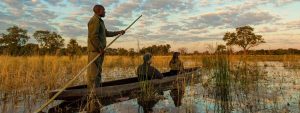
- Mokoro navigation through reed channels
- Seasonal water level changes
Camps operate under strict safety protocols. Guides are professionally trained and licensed.
Crime inside Delta concessions is virtually nonexistent.
Medical evacuation logistics, however, are critical due to remoteness. Light aircraft evacuation is standard in serious incidents.
Environmental exposure exceeds criminal exposure in the Delta.
Chobe and Cross Border Risk
Chobe National Park sits at a four country junction linking Botswana, Namibia, Zambia, and Zimbabwe.
Primary exposure factors include:
- High density elephant populations
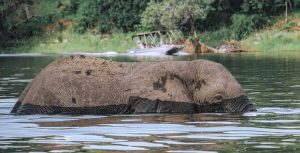
- Boat traffic on the Chobe River
- Border congestion during peak season
- Documentation errors at crossings
Boat safaris require adherence to safety briefings. River conditions and wildlife proximity represent greater risk variables than crime.
Victoria Falls cross border tourism is structured and stable, but documentation and visa misunderstandings can cause delays.
Violent cross border instability is not a primary risk factor in this corridor.
Road Transport and Aviation Risk
Road accident exposure exceeds violent crime exposure for most visitors.
Contributing factors include:
- Long distances between settlements
- Livestock crossings
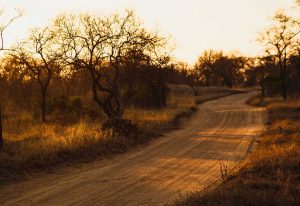
- Gravel roads in remote areas
- Limited night lighting
- Heavy 4×4 traffic in safari zones
Self drive safaris increase exposure compared to lodge based transfers.
Light aircraft transfers between Delta camps operate routinely but are weather dependent.
Structured logistics significantly reduce exposure.
Healthcare Infrastructure and Emergency Capacity
Advanced medical facilities are concentrated in Gaborone.
Outside the capital:
- Clinics provide basic stabilization
- Specialist surgical capacity is limited
- Remote camps rely on evacuation protocols
Serious medical emergencies typically require evacuation to:
- Gaborone
- South Africa
Air evacuation networks are well established in safari corridors.
Travel insurance with evacuation coverage is essential.
Infrastructure gaps, not violence, define medical risk exposure.
Environmental and Seasonal Risk
Botswana experiences:
- Extreme heat during dry season
- Seasonal flooding in the Delta
- Flash floods during rainy season
- Malaria risk in northern regions
- Dehydration and heatstroke risk
Environmental conditions affect transport and health planning more than personal security.
Wildlife density increases during dry season, elevating proximity risk but not crime risk.
Risk Probability by Travel Structure
Lower Exposure Profile
- Guests in private Delta concessions
- Guided Chobe river safaris
- Lodge arranged transfers
- Structured cross border itineraries
Higher Exposure Profile
- Independent self drive in remote areas
- Night driving on rural highways
- Unverified boat operators
- Ignoring wildlife briefings
Structured travel materially reduces exposure in Botswana.
Operational Preparedness for Botswana
Effective safety management includes:
- Following guide instructions in wildlife zones
- Using licensed boat operators
- Avoiding night driving in remote areas
- Ensuring evacuation coverage
- Monitoring seasonal flood conditions
- Implementing malaria prevention in northern regions
Botswana is not characterized by political instability or violent crime targeting tourists. It is characterized by environmental exposure, remoteness, and wildlife proximity in some of Africa’s most pristine ecosystems.
TravelSafe SOS provides centralized 24 hour coordination across Gaborone, Maun, Okavango Delta concessions, Chobe corridors, and cross border junctions, strengthening escalation clarity in environments where remoteness and medical evacuation logistics require rapid coordination.
Okavango Delta Safari Safety and Medical Access
Is the Okavango Delta Safe for Tourists? The Okavango Delta
Botswana Travel Safety Guide: Flights, Road Transfers and Safari Logistics
Botswana has built one of Africa’s finest safari industries around
Botswana Travel Safety: Flights and Road Transfers Guide
Understanding Travel Logistics in Botswana Botswana travel safety is defined
Botswana Travel Safety 2026: A Complete Guide for Tourists Visiting Safaris, Cities and Remote Wilderness Regions
Understanding Botswana Travel Safety in 2026 Botswana Travel Safety in
Frequently Asked Questions
Is Botswana safe for tourists
Botswana is considered one of the safest countries in Africa for tourists. Violent crime targeting visitors is rare. Risk is more frequently linked to wildlife proximity, environmental exposure, and transport logistics rather than systemic violence.
Is the Okavango Delta safe
The Okavango Delta is extremely secure from crime perspective. Primary risks relate to wildlife proximity, water navigation, and remoteness. Following guide instructions and camp safety briefings significantly reduces exposure.
Is Chobe National Park safe
Chobe is safe from crime perspective, with extremely low criminal targeting of tourists. Wildlife density and river conditions present greater risk variables than violence. Structured safari operations reduce exposure significantly.
Are self drive safaris in Botswana safe
Self drive safaris increase exposure compared to lodge based itineraries due to remote terrain and limited roadside assistance. With preparation and appropriate vehicles, risk remains manageable but higher than guided travel.
Does Botswana have good hospitals
Advanced medical care is concentrated in Gaborone. Remote safari areas rely on evacuation protocols. Serious medical cases may require air transfer to South Africa. Travel insurance with evacuation coverage is essential.
What is the biggest safety risk in Botswana
Environmental exposure and wildlife proximity represent greater practical risk than violent crime for most visitors. Structured itineraries and evacuation planning significantly reduce exposure.