
Understanding Botswana Travel Safety in 2026
Botswana Travel Safety in 2026 is best understood through geography, tourism structure and the country’s conservation-based travel model. Botswana is one of Africa’s most stable and sparsely populated countries, with large areas dedicated to wildlife conservation. Visitors typically travel to Botswana for safari experiences in regions such as the Okavango Delta, Chobe National Park, the Moremi Game Reserve and the Makgadikgadi salt pans.
Unlike many travel destinations where safety concerns centre around cities or dense populations, Botswana’s tourism landscape is largely wilderness-based. The majority of international visitors travel through organised safari networks that include charter flights, lodge transfers and guided wildlife experiences. These structured tourism systems significantly reduce exposure to many risks travellers may associate with unfamiliar destinations.
Botswana’s tourism infrastructure focuses heavily on remote safari environments. Visitors often fly into Maun or Kasane before transferring to safari camps located within national parks or private concessions. Because of the remote nature of these regions, travel safety in Botswana is shaped more by logistics, environmental conditions and wildlife awareness than by crime.
Understanding Botswana Travel Safety therefore requires recognising how exposure varies between environments. Urban areas such as Gaborone, Maun and Kasane require basic city awareness, while safari regions operate within controlled tourism systems managed by professional guides and conservation authorities.
The main safety considerations for travellers in Botswana can be viewed through several practical areas:
- Urban safety in cities and regional towns
- Wildlife proximity in national parks and safari concessions
- Transport logistics between remote safari regions
- Environmental conditions in wilderness landscapes
- Healthcare access in remote areas
- Seasonal weather patterns affecting travel conditions
These factors together shape the safety environment for visitors travelling across Botswana’s unique safari destinations.
Key Safety Considerations for Travelling in Botswana
Botswana consistently ranks among the safest countries in Africa for international visitors. The country maintains strong political stability, low population density and a tourism sector built around regulated wildlife conservation areas. These factors contribute to a relatively safe travel environment.
Crime affecting tourists is uncommon, particularly in safari regions where visitors typically stay within controlled lodge environments. Most incidents affecting travellers occur in urban areas and involve opportunistic theft rather than violent crime.
Visitors travelling through cities such as Gaborone, Maun or Kasane should follow the same basic precautions recommended in many international destinations. Avoid leaving valuables visible in vehicles, remain aware of surroundings in busy areas and use registered taxis or organised transport when travelling after dark.
Preparation also plays an important role in Botswana Travel Safety. Distances between destinations can be significant, particularly when travelling between safari regions. Many visitors rely on small aircraft charter flights or lodge transfers to reach remote camps located inside national parks.
Travellers who follow organised itineraries arranged through safari operators generally experience safe and efficient journeys throughout Botswana. These operators coordinate transport logistics, accommodation and wildlife activities while maintaining communication systems across remote areas.
Because Botswana’s tourism sector is closely linked to conservation, safari operators maintain strong safety procedures designed to protect both guests and wildlife.
Safety in Gaborone, Maun and Botswana’s Main Towns
Gaborone, Botswana’s capital, functions primarily as the country’s administrative and commercial centre. Most international safari travellers spend limited time in the city because tourism routes usually focus on wildlife regions in the north of the country.
Visitors who do stay in Gaborone typically remain within central districts where hotels, restaurants and shopping areas serve both local residents and international visitors. These areas generally maintain comfortable safety conditions during daytime hours.
Petty theft can occasionally occur in busy urban environments, particularly where valuables are left visible in vehicles or travellers move through unfamiliar neighbourhoods late at night. Visitors can minimise exposure by using hotel transport, registered taxis or organised drivers when moving around the city.
Maun serves as Botswana’s primary safari gateway. Most travellers pass through Maun when flying into the Okavango Delta or transferring to nearby national parks. The town functions as an operational hub for safari logistics, charter flights and supply routes supporting the tourism industry.
Kasane, located near Chobe National Park, also receives significant tourism traffic due to its proximity to the park and its connection to Victoria Falls. These towns generally maintain calm tourism atmospheres where travellers encounter minimal security concerns when following normal travel precautions.
Safari Safety in the Okavango Delta and Chobe National Park
Safari safety represents one of the most important aspects of Botswana Travel Safety because the country’s tourism industry revolves around wildlife experiences. Botswana hosts some of Africa’s most significant wildlife populations, including elephants, lions, buffalo, leopards and hippos.
Regions such as the Okavango Delta, Chobe National Park and the Moremi Game Reserve operate under structured conservation systems designed to protect wildlife while allowing visitors to observe animals safely. Safari activities are led by professional guides who understand animal behaviour and environmental conditions.
Visitors typically participate in guided game drives, boat safaris or walking safaris depending on the region. Guides provide clear instructions regarding wildlife proximity and safe behaviour in the bush.
Crime inside national parks is extremely rare. The primary safety considerations involve wildlife awareness and following guide instructions. Visitors must remain inside safari vehicles unless instructed otherwise and should always respect wildlife viewing distances.
Lodges and safari camps maintain safety procedures designed for remote wilderness environments. Staff members are trained to manage wildlife encounters and coordinate communication with park authorities if necessary.
These controlled safari systems allow travellers to experience Botswana’s wildlife safely while preserving the country’s conservation goals.
Transport Safety Between Safari Regions
Transport logistics represent a key component of Botswana Travel Safety due to the country’s remote wilderness geography. Many safari camps are located in isolated regions that are accessible only by small aircraft or specialised four-wheel-drive vehicles.
Charter flights are commonly used to move travellers between Maun, Kasane and remote safari lodges. These flights are operated by licensed aviation providers familiar with bush airstrips and regional conditions.
Road travel between towns such as Maun and Kasane is generally safe but may involve long distances through rural landscapes where wildlife occasionally crosses highways. Elephants, antelope and livestock may appear on roads unexpectedly, particularly at night.
For this reason many travellers avoid driving after sunset and plan journeys during daylight hours. Organised transfers arranged through safari operators further reduce risk because drivers are familiar with road conditions and wildlife behaviour.
Visitors exploring Botswana independently should ensure vehicles are suitable for gravel roads, carry sufficient fuel and water, and plan travel routes carefully before departing for remote areas.
Environmental and Wilderness Safety
Botswana’s wilderness landscapes are among the most spectacular in Africa, but they also require awareness of environmental conditions. Many safari regions lie far from major towns and infrastructure, meaning visitors may spend extended periods in remote areas.
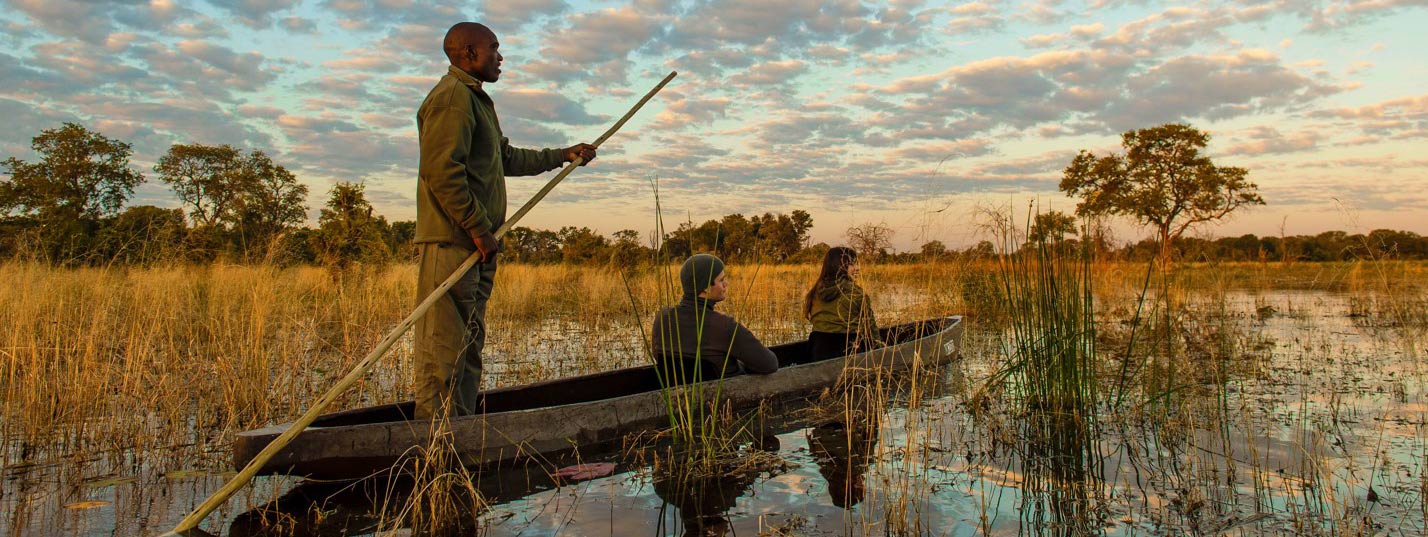
The Okavango Delta presents unique environmental conditions involving seasonal flooding and water-based safari activities such as mokoro canoe excursions and boat safaris. These activities are conducted under guide supervision to ensure visitor safety in wildlife habitats.
Heat exposure can also become a factor during Botswana’s warmer months, particularly in open savannah or desert environments. Travellers should remain hydrated, wear protective clothing and avoid excessive sun exposure during peak midday temperatures.
Remote environments also mean mobile phone coverage may be limited outside towns. Safari lodges and camps maintain communication systems designed to coordinate support if emergencies arise.
Visitors who respect wilderness conditions and follow guidance from guides and lodge staff generally experience safe and memorable safari experiences across Botswana’s protected landscapes.
Medical Infrastructure and Emergency Access
Healthcare infrastructure in Botswana is strongest in larger towns such as Gaborone, Maun and Francistown. These centres host hospitals and clinics capable of providing basic medical services for residents and visitors.
However many safari regions are located far from major medical facilities. Travellers staying in remote lodges should recognise that evacuation may be required for serious medical emergencies.
Safari operators maintain emergency procedures designed to coordinate evacuation flights when necessary. These systems allow visitors to be transported from remote airstrips to larger hospitals if medical assistance is required.
Common travel health considerations in Botswana include dehydration, sun exposure and potential malaria exposure in certain northern regions. Preventive measures such as malaria prophylaxis, travel insurance and adequate hydration help reduce health risks.
Travellers should ensure that travel insurance includes evacuation coverage when visiting remote safari regions.
Political Stability and National Security
Botswana is widely recognised as one of Africa’s most politically stable countries. Since gaining independence in 1966 the country has maintained a consistent democratic system and peaceful political transitions.
Large scale unrest affecting tourism infrastructure is extremely rare. Visitors travelling through Botswana’s tourism regions typically encounter a stable environment supported by strong governance and conservation policies.
Political demonstrations occasionally occur in urban areas but rarely affect tourism routes or safari operations. Visitors who avoid large gatherings and remain aware of local developments generally encounter no security issues related to political conditions.


Seasonal Weather and Environmental Conditions
Botswana’s climate follows a seasonal pattern that influences safari conditions and travel logistics. The dry season between May and October is considered the peak safari period because wildlife congregates around water sources, improving game viewing opportunities.
The rainy season between November and April brings warmer temperatures and occasional storms. During this period some rural roads may become muddy and wildlife disperses more widely across landscapes.
These seasonal changes primarily affect travel logistics and safari viewing rather than personal safety. Tourism infrastructure continues operating throughout the year, although travellers may need to adjust travel plans depending on seasonal weather conditions.
Across Botswana’s wilderness landscapes, visitors who travel through structured safari networks and follow guidance from professional guides generally experience safe and extraordinary journeys through one of Africa’s most celebrated wildlife destinations.
Frequently Asked Questions
Is Botswana safe for tourists
Yes. Botswana is widely considered one of the safest safari destinations in Africa. The country maintains strong political stability, low population density and a tourism industry built around regulated wildlife conservation areas. Most travellers visit the Okavango Delta, Chobe National Park or Moremi Game Reserve through organised safari lodges and guided activities, which significantly reduces risk. Basic awareness in towns and careful travel planning ensure a safe experience.
Is Botswana safe to visit right now
Yes. Botswana remains politically stable and continues to welcome international travellers across its tourism regions. Safari infrastructure in the Okavango Delta, Chobe and other wildlife areas operates normally. Visitors who travel with established safari operators, follow lodge guidance and plan transport between remote regions generally experience safe and well organised journeys throughout the country.
Is the Okavango Delta safe for safari travellers
Yes. The Okavango Delta is considered very safe for safari visitors. Activities such as game drives, boat safaris and mokoro canoe excursions are conducted under professional guide supervision. Crime in safari regions is extremely rare. The primary safety considerations relate to wildlife awareness and environmental conditions, which guides manage carefully during all activities.
Is Chobe National Park safe to visit
Yes. Chobe National Park is one of Botswana’s most visited safari destinations and maintains strong conservation management systems. Visitors explore the park through guided safaris or organised lodge activities. Crime inside the park is extremely rare. Guests must follow guide instructions and remain inside safari vehicles when viewing wildlife to ensure safe encounters with animals.
Are roads dangerous in Botswana
Road travel in Botswana is generally safe but requires caution, particularly in rural areas where wildlife and livestock may cross highways unexpectedly. Long distances between towns also mean travellers should plan fuel stops and avoid night driving where possible. Many safari travellers rely on charter flights or lodge transfers, which further reduces road travel risk.
Are hospitals in Botswana good for tourists
Botswana has reliable hospitals and clinics in larger towns such as Gaborone, Maun and Francistown. However medical facilities become limited in remote safari regions. Serious emergencies may require evacuation to larger hospitals. Travellers visiting wildlife areas should ensure they have travel insurance with evacuation coverage before beginning their trip.