
Africa Travel Safety 2026
Complete Southern and East Africa Risk Intelligence Guide.
Travel across Southern and East Africa is extraordinary, diverse, and often life-changing. It is also complex. Infrastructure varies dramatically between regions, emergency response systems are uneven, seasonal risks shift quickly, and cross-border travel introduces logistical challenges many travellers do not anticipate.
Africa Travel Safety 2026 is your structured intelligence guide covering the 12 core countries within the TravelSafe SOS operating footprint. This page provides region-by-region insight, safari ecosystem safety considerations, urban risk patterns, environmental hazards, and how emergency response systems function across borders.
This is not fear-based advice. It is practical, evidence-based risk understanding designed to reduce exposure and improve outcomes.
Travel Safety by Country in Southern Africa
Southern Africa combines major cities, remote safari ecosystems, cross-border corridors, and coastal zones that require different safety considerations. Crime patterns, road infrastructure quality, healthcare access, and seasonal weather shifts vary significantly by country and region.
Mozambique
Flood cycles, cyclone exposure, remote beach regions, and wildlife zones define Mozambique’s risk landscape. Road conditions, seasonal malaria exposure in northern provinces, and distance to tertiary hospitals are key planning considerations.
South Africa
South Africa has world-class tourism infrastructure alongside concentrated urban crime zones. Regional awareness in cities such as Johannesburg and Cape Town is essential, as is understanding self-drive and long-distance highway safety.
Zimbabwe
Victoria Falls and safari regions are generally stable tourism environments, but fuel logistics, medical access distances, and economic fluctuations can affect infrastructure reliability.
Zambia
Livingstone and safari areas are lower-density tourism zones where medical evacuation planning and cross-border coordination are critical.
Botswana
Remote delta and desert environments create unique logistical exposure. Long transfer routes and aviation access to private concessions require contingency planning.
Namibia
Sparse population density and vast driving distances increase road risk exposure. Desert heat and wildlife corridors present environmental safety considerations.
Malawi
Lake regions, road infrastructure variability, and rural medical facility gaps require informed travel planning.
Travel Safety by Country in East Africa
East Africa blends high-volume safari ecosystems, urban hubs, island destinations, and politically sensitive border regions. Risk exposure differs between coastal, inland, and metropolitan environments.
Kenya
Nairobi urban safety patterns differ significantly from safari zones such as the Masai Mara. Coastal regions present separate considerations including beach security and petty crime awareness.
Tanzania
Serengeti and Ngorongoro ecosystems are remote and well-managed, while Dar es Salaam presents typical metropolitan security challenges. Seasonal weather shifts affect road and ferry reliability.
Zanzibar
Island infrastructure is tourism-driven but limited in emergency capacity. Water safety, transport coordination, and seasonal weather events influence exposure.
Rwanda
Generally stable with strong governance, but proximity to eastern border regions requires awareness. Gorilla trekking regions involve remote terrain logistics.
Uganda
Safari areas and mountain trekking routes present medical access limitations. Border crossings into neighbouring countries require documentation discipline and contingency planning.
Safari and National Park Safety Across Southern and East Africa
Safari regions are often safer than urban centres in terms of violent crime, but they introduce environmental and logistical risk factors.
Key considerations include:
* Long transfer routes between airstrips and lodges
* Limited night driving visibility
* Wildlife proximity rules and ranger protocol
* Distance to advanced medical care
* Air evacuation coordination
National parks such as Kruger, Serengeti, Masai Mara, Okavango Delta, Etosha, Gorongosa, and the Victoria Falls region operate under strict safety regulations, but travellers must understand response timelines and terrain limitations.
Preparation reduces risk. Response speed reduces consequences.

Urban and Coastal Safety Zones
High-search queries often focus on cities and beach destinations. Urban risk exposure is concentrated, predictable, and manageable with informed behaviour.
Common metropolitan safety themes
* Pickpocket and distraction crime zones
* Informal transport risks
* Protest-related traffic disruption
* Late-night pedestrian exposure
Coastal and island environments add
* Water safety awareness
* Tidal conditions
* Seasonal storm exposure
* Limited after-hours medical access
Seasonal and Environmental Risk Factors
Rainy Season
Flooding, road washouts, and waterborne disease risk
increase.
Dry Season
Wildlife density rises near water sources, increasing safari proximity exposure.
Heat Periods
Dehydration and heatstroke risk escalate in desert and savannah regions.
Post-Flood Periods
Malaria and cholera exposure can rise due to standing water and compromised sanitation.
Cross-Border Travel and Corridor Risk
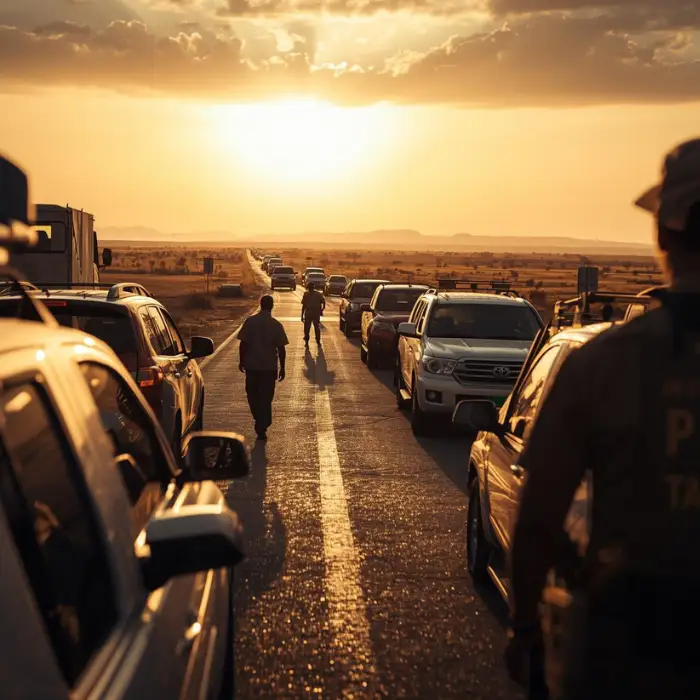
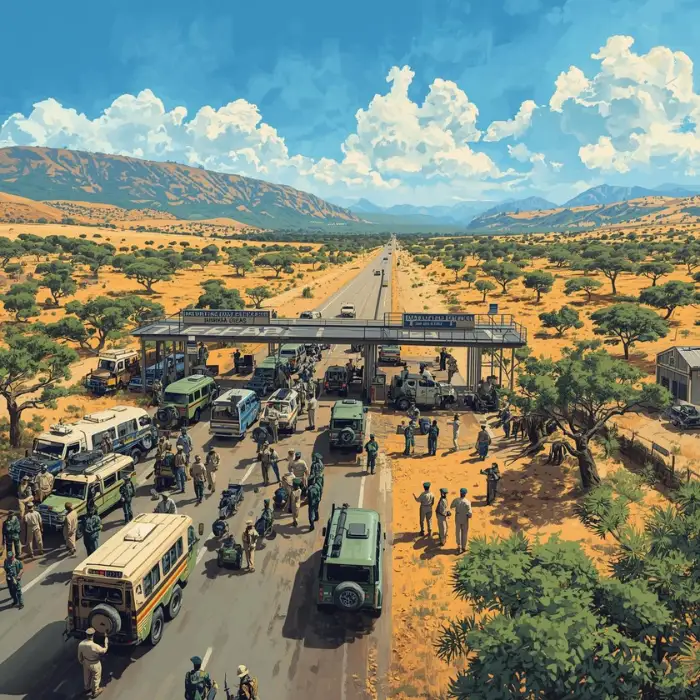
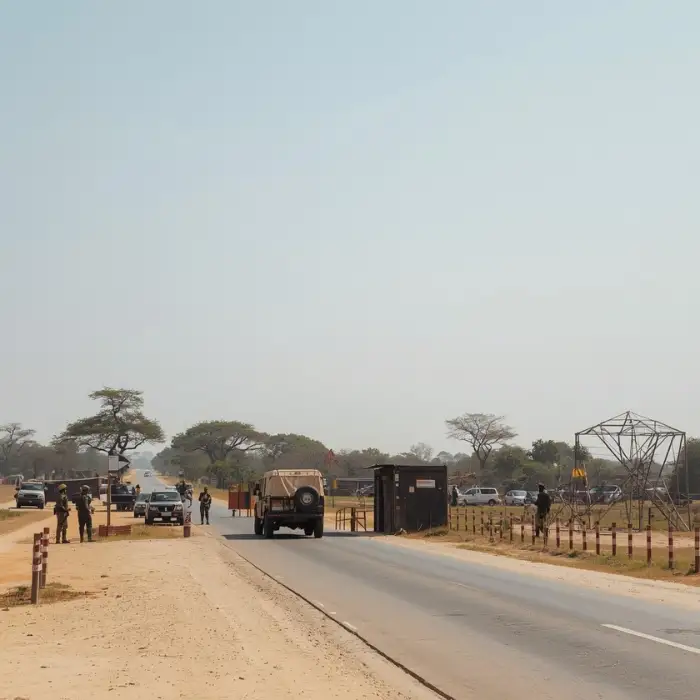
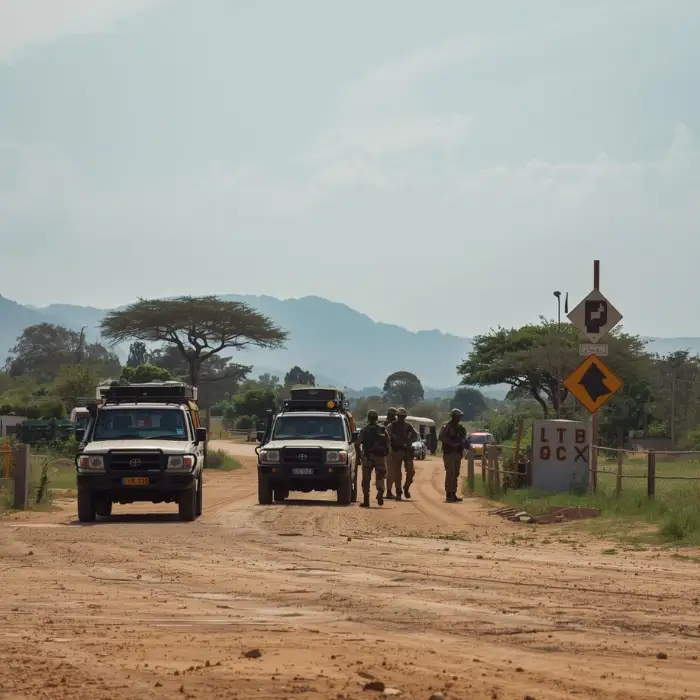
Multi-country itineraries are common across Southern and East Africa. Victoria Falls spans Zimbabwe and Zambia. Serengeti and Masai Mara ecosystems involve Tanzania and Kenya. Self-drive travellers often cross Namibia, Botswana, Zambia, and Zimbabwe within one trip.
Border challenges include:
* Sudden closures
* Visa documentation errors
* Insurance recognition discrepancies
* Vehicle permit compliance
Most emergency coordination breakdowns occur at borders. Structured response systems prevent escalation.
How Emergency Response Works in Southern and East Africa
Response delays are often caused by:
* Communication breakdown
* Language barriers
* Location ambiguity
* Payment guarantee issues
* Jurisdiction confusion
Emergency response capability varies by:
* Urban vs rural location
* Public vs private medical facilities
* Road accessibility
* Aviation availability
* Cross-agency coordination
Prepared travelers reduce exposure.
Structured response systems reduce resolution time.
Reducing Travel Risk in 2026
Risk cannot be eliminated. It can be managed. Effective travel risk reduction includes:
* Pre-departure health planning
* Real-time risk awareness
* Route discipline and transport vetting
* Embassy registration where relevant
* Clear emergency escalation protocols
* Multi-country response coordination
Safety is not about avoiding Africa. It is about understanding Africa’s complexity.
Frequently Asked Questions About Africa Travel Safety 2026
Is it safe to travel to Southern and East Africa in 2026?
Most tourism regions across Southern and East Africa remain stable and professionally managed. Safety depends heavily on location, season, and behaviour. Safari ecosystems are generally low crime environments, while urban centres require standard metropolitan awareness. Preparation, route planning, and understanding regional risk patterns significantly reduce exposure.