
Is Uganda Safe? National Security Conditions and Travel Risk Overview
Uganda’s National Security Environment and Structural Risk Profile
Uganda occupies a strategically important position in East Africa. It is landlocked, politically centralized, and shares borders with several higher volatility states including the Democratic Republic of Congo and South Sudan. It maintains internal political continuity but operates within a tightly managed governance framework.
A credible assessment of whether Uganda is safe must distinguish between national stability, border sensitivity, and structured tourism corridors. Uganda does not face nationwide civil conflict. However, isolated security incidents have occurred historically, particularly near western border regions.
Uganda’s risk profile is shaped more by infrastructure limitations, localized border exposure, transport risk, and medical evacuation logistics than by systemic violence targeting tourists.
Primary risk variables relevant to visitors include:
- Border sensitivity near eastern Democratic Republic of Congo
- Road accident exposure
- Limited advanced medical capacity outside Kampala
- Political protest risk during election cycles
- Petty crime in urban centers
- Remote terrain exposure during gorilla trekking
For structured international visitors operating within regulated safari and trekking systems, the probability of serious harm remains low.
Geographic Risk Differentiation Across Uganda
Uganda’s safety profile varies significantly by region.
Kampala
The capital experiences moderate urban crime concentration, primarily opportunistic theft. Violent crime targeting tourists is uncommon but urban caution is required, particularly at night.
Entebbe
More structured and lower crime exposure compared to central Kampala. Home to the international airport and major diplomatic infrastructure.
Bwindi Impenetrable Forest
Gorilla trekking zones are tightly controlled and security monitored. Crime exposure is negligible. Terrain and physical exertion represent greater risk variables.
Queen Elizabeth National Park
Regulated safari environment. Wildlife proximity and evacuation logistics represent the primary safety considerations.
Murchison Falls
Remote safari ecosystem. Low criminal exposure. Transport and infrastructure variability present greater risk.
Border Regions Adjacent to DRC
Western border zones near eastern Democratic Republic of Congo carry elevated advisory sensitivity due to instability across the border. Mainstream tourism corridors remain structured and monitored.
Uganda’s risk landscape is border sensitive and infrastructure driven rather than violence driven.
Urban Crime Patterns and Visitor Exposure
Uganda’s urban crime rate is moderate compared to regional peers. Violent crime targeting tourists remains uncommon.
Most common exposures include:
- Pickpocketing
- Phone snatching
- Bag theft
- Taxi scams
- ATM related fraud
Scenario Model 1
Visitor walking alone late at night in unfamiliar Kampala district using unverified transport. Exposure risk increases.
Scenario Model 2
Visitor using vetted transfers, secure accommodation, and avoiding isolated night movement. Exposure remains low.
Crime risk in Uganda is opportunistic and economically motivated rather than organized targeting of foreign visitors.
Political Stability and Protest Risk
Uganda operates under long standing centralized leadership. Election cycles may generate protest activity, primarily in urban centers.
Key characteristics:
- Protests are localized
- Security response is rapid
- Tourists are rarely targeted
- Road disruption is the main indirect exposure
Political unrest rarely extends into safari infrastructure or protected areas.
Monitoring advisories during election periods reduces exposure.
Border and Regional Sensitivity
Uganda borders:
- Democratic Republic of Congo
- South Sudan
- Kenya
- Rwanda
- Tanzania
Border sensitivity is highest near eastern Democratic Republic of Congo and parts of South Sudan. These areas are not mainstream tourism corridors but proximity influences travel advisories.
Cross border gorilla trekking itineraries between Uganda and Rwanda are common and structured.
Primary exposure risks include:
- Documentation errors
- Border congestion
- Visa misunderstanding
Violent cross border spillover into regulated tourism areas is uncommon but regional monitoring remains important.
Road Transport and Terrain Risk
Road accident exposure exceeds violent crime exposure for most visitors.
Contributing factors include:
- Long overland safari drives
- Limited night lighting
- Variable driver standards
- Livestock and pedestrian crossings
- Heavy rainfall impacting rural roads
Motorbike taxi use without helmets significantly increases injury probability.
Structured transfers and professional drivers materially reduce exposure.
Gorilla Trekking and Safari Safety Environment
Uganda is internationally recognized for:
- Bwindi Impenetrable Forest
- Mgahinga Gorilla National Park
- Queen Elizabeth National Park
- Murchison Falls National Park
Primary safety variables include:
- Steep and slippery rainforest terrain
- Physical exertion at altitude
- Wildlife proximity
- River exposure near Murchison Falls
Security presence around gorilla trekking zones is strong.
Crime inside regulated conservation areas is extremely rare.
Medical evacuation logistics remain critical in remote trekking environments.
Healthcare Infrastructure and Emergency Capacity
Uganda’s advanced medical capability is concentrated in Kampala.
Capabilities include:
- Private clinics
- Basic trauma stabilization
- Limited specialist surgical services
Outside Kampala, advanced trauma capacity is constrained.
Serious medical emergencies may require evacuation to:
- Nairobi
- South Africa
- Or another regional hub
Travel insurance with evacuation coverage is essential for visitors.
Infrastructure gaps rather than violence define medical risk exposure.
Environmental and Seasonal Risk
Uganda experiences:
- Heavy rainfall during wet seasons
- Flooding in low lying areas
- Landslides in mountainous terrain
- Malaria risk in many regions
- Heat exposure in savannah ecosystems
Environmental factors affect logistics and health planning more than personal security.
Risk Probability by Travel Structure
Lower Exposure Profile
- Guests in regulated gorilla trekking programs
- Structured safari itineraries
- Vetted Kampala accommodation
- Guided cross border travel
Higher Exposure Profile
- Independent travel in remote border areas
- Night driving on rural highways
- Unverified motorbike taxi use
- Ignoring wildlife safety briefings
Structured travel materially reduces exposure in Uganda.
Operational Preparedness for Uganda
Effective safety management includes:
- Using licensed gorilla trekking operators
- Avoiding sensitive border zones without guidance
- Using verified transport providers
- Ensuring evacuation coverage
- Monitoring election period advisories
- Implementing malaria prevention
Uganda is not characterized by nationwide instability. It is characterized by regional border sensitivity, infrastructure variability, and terrain related exposure in trekking environments.
TravelSafe SOS provides centralized 24 hour coordination across Kampala, Entebbe, gorilla trekking regions, safari corridors, and cross border routes, strengthening escalation clarity in environments where terrain and medical access may present logistical challenges.
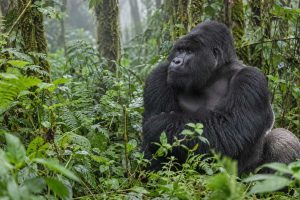
Gorilla Trekking Safety in Uganda and Rwanda
Is Gorilla Trekking Safe? Gorilla trekking in Uganda and Rwanda
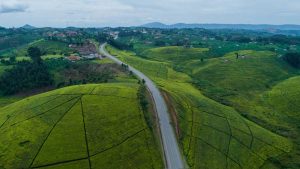
Uganda Road Travel Safety Guide: Driving, Self-Drive Safaris, Transfers and Emergency Planning
Uganda is one of Africa’s finest safari destinations, but unlike
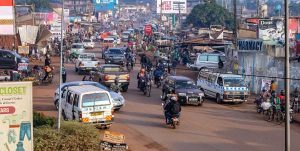
Uganda Road Travel Safety: Driving Conditions and Travel Risks
Understanding Road Travel in Uganda Uganda road travel safety is
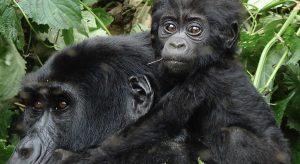
Is Uganda Safe for Tourists
Understanding Uganda Travel Safety Uganda is one of East Africa’s

Uganda Travel Safety Guide for International Visitors
Understanding Uganda Travel Safety in a Diverse Travel Environment Uganda
Frequently Asked Questions
Is Uganda safe for tourists
Uganda is generally safe for tourists operating within structured safari and gorilla trekking environments. Violent crime targeting visitors is uncommon. Risk is more frequently linked to infrastructure limitations, border sensitivity, and transport exposure rather than systemic violence.
Is Kampala safe at night
Kampala carries moderate urban crime exposure, particularly after dark. Using verified transport and avoiding isolated areas reduces risk significantly. Violent crime targeting tourists remains uncommon.
Is gorilla trekking safe in Uganda
Gorilla trekking is tightly regulated and security monitored. Physical terrain and weather conditions present greater risk variables than crime. Following ranger instructions significantly reduces exposure.
Is there conflict in Uganda
Uganda does not face active nationwide conflict. Border sensitivity exists near eastern Democratic Republic of Congo and South Sudan, but mainstream tourism corridors remain stable and monitored.
Does Uganda have good hospitals
Advanced medical care is concentrated in Kampala. Serious trauma cases may require evacuation to Nairobi or another regional hub. Travel insurance with evacuation coverage is strongly recommended.
What is the biggest safety risk in Uganda
Terrain related accident risk, infrastructure variability, and transport exposure present greater practical risk than violent crime for most visitors. Structured itineraries and evacuation planning significantly reduce exposure.