
Understanding Uganda Travel Safety
Uganda is one of East Africa’s most rewarding safari destinations, known for gorilla trekking, diverse national parks, and lower tourism density compared to Kenya and Tanzania. It offers a more remote and immersive travel experience, which is both its strength and its primary safety consideration.
Uganda is generally safe for tourists when travelled through established routes and reputable operators. Most visitors move between Entebbe, national parks, and lodges without incident.
However, Uganda is not a passive destination. It requires structure.
The combination of remote environments, long travel distances, and limited infrastructure means that safety is closely linked to planning, transport, and access to support rather than crime levels alone.
Understanding how Uganda works is the key to travelling it safely.
Where Uganda Is Safest for Tourists
Uganda’s safety profile is strongest within its main tourism circuits.
Bwindi Impenetrable Forest, Queen Elizabeth National Park, and Murchison Falls are all structured safari environments with controlled access, trained guides, and established accommodation.
Gorilla trekking areas are among the most tightly managed tourism experiences in Africa, with ranger-led groups, permits, and strict protocols that prioritise safety.
Urban environments such as Kampala require more awareness, particularly around transport and movement.
Higher sensitivity exists near certain border regions, particularly towards South Sudan, which are not part of standard tourism routes.
For most travellers, remaining within established circuits keeps risk low and predictable.
Crime Risk and Real Traveller Exposure
Crime affecting tourists in Uganda is generally opportunistic rather than targeted.
Common risks include:
petty theft
pickpocketing
phone and bag snatching
scams in busy urban areas
Violent crime involving tourists is uncommon within tourism environments.
Risk increases in predictable situations:
walking in cities without planning
moving at night
using informal transport
displaying valuables
Most safari and trekking environments operate with minimal exposure to crime due to controlled access and guided movement.
Gorilla Trekking Safety and Reality
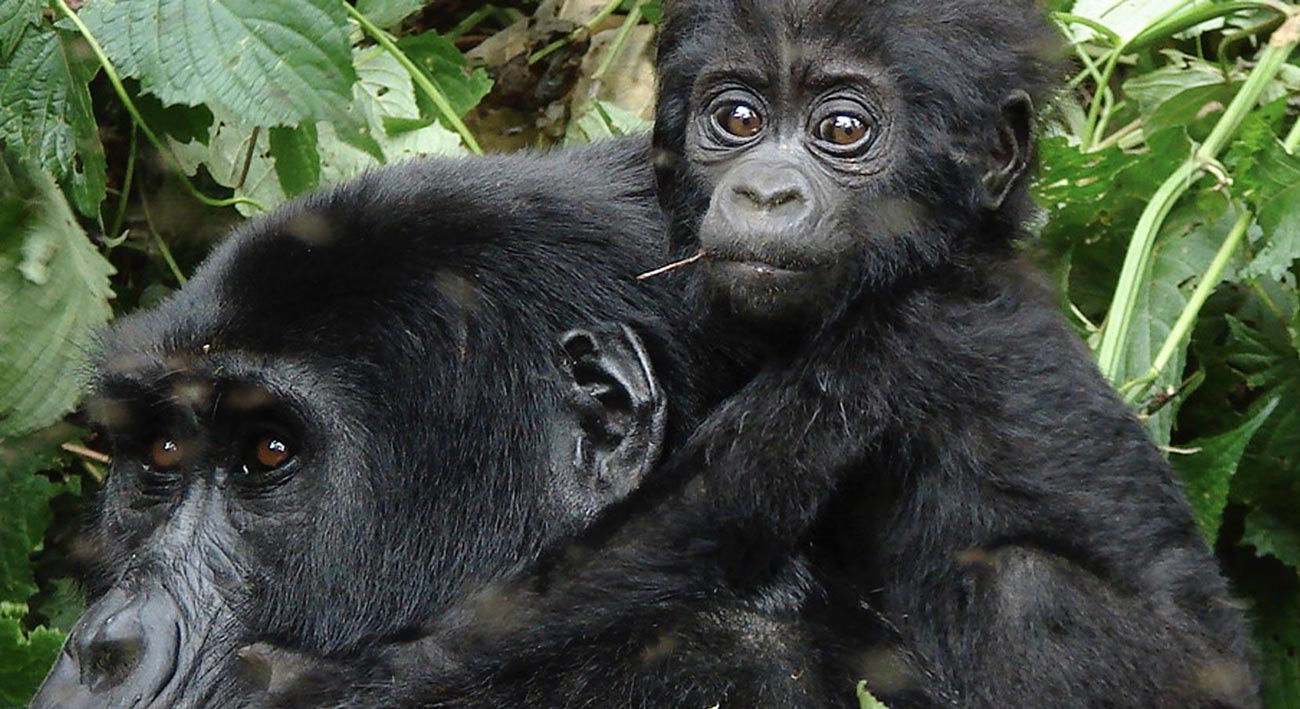
Gorilla trekking is one of the main reasons travellers visit Uganda, and it is often misunderstood from a safety perspective.
Trekking is conducted under strict supervision with trained rangers and guides. Groups are small, movement is controlled, and safety protocols are clearly defined.
The primary risks are not wildlife-related, but environmental:
physical exertion
uneven terrain
remote location
limited immediate medical access
Trekking itself is safe when conducted within the structured system. The real consideration is how prepared travellers are for the physical and remote nature of the experience.
Transport and Movement Across Uganda
Transport is one of the most important safety factors in Uganda.
Road conditions vary, distances between destinations are long, and driving standards can be inconsistent.
Most travellers rely on:
guided safari vehicles
lodge-arranged transfers
domestic flights for longer distances
Self-driving or informal transport introduces unnecessary risk.
Movement between parks, airports, and lodges should always be planned in advance. This is where most exposure occurs if not managed correctly.
Healthcare and Emergency Access
Healthcare infrastructure in Uganda is limited outside major centres.
Private medical facilities in Kampala provide the highest standard of care, but access becomes more restricted in remote areas such as Bwindi or Murchison Falls.
In serious situations, response often involves:
initial assessment at lodge level
transfer by road or air
treatment in Kampala or a regional hub
The key challenge is coordination rather than availability.
In remote environments, the time taken to access care is the most important factor.
Health and Environmental Risks
Health risks are a core part of travelling in Uganda and should be planned for in advance.
These include:
malaria in many regions
tropical diseases
heat and humidity
physical strain during trekking
Unlike destinations where risks are isolated, Uganda combines multiple environmental factors across a single itinerary.
Preparation, including medical advice and physical readiness, significantly reduces exposure.
Health and Environmental Exposure
Uganda’s tropical climate and diverse ecosystems introduce several environmental health considerations that travelers should plan for before arrival.
Health related risks include:
- malaria exposure in many regions
- mosquito borne diseases
- dehydration in hot conditions
- waterborne illnesses where sanitation is limited
- altitude adjustment during mountain trekking
Travelers should seek professional medical advice regarding vaccinations and preventative medication prior to travel.
Seasonal weather patterns can also affect travel logistics. Heavy rainfall during certain months may slow road travel or affect trekking conditions in forest environments.
While these health and environmental factors are manageable with preparation, they remain important components of travel safety planning in Uganda.


When Risk Increases in Uganda
Risk in Uganda increases in specific scenarios rather than across the destination as a whole.
Unstructured movement in cities increases exposure to petty crime.
Long road journeys without planning increase fatigue and transport-related risk.
Remote travel without a clear response plan increases vulnerability in medical situations.
The consistent pattern is this: Uganda is safe when structured, and risk increases when structure is removed.
Practical Safety Advice for Uganda
Simple, structured decisions significantly improve safety.
Use reputable tour operators and guides
Plan all transport in advance
Avoid unnecessary movement in cities
Limit travel at night
Prepare physically for trekking activities
Follow health precautions consistently
These are standard practices that align with how Uganda is designed to be experienced safely.
Why Immediate Emergency Support Matters in Uganda
Uganda’s biggest safety challenge is not crime. It is distance and coordination.
A medical issue in a remote park, a transport disruption, or a trekking-related incident requires immediate response and coordination.
TravelSafe SOS provides a centralized system that connects travellers to a 24-hour control centre. From the moment an issue arises, response teams can assess the situation, coordinate support, and manage logistics across regions.
This includes medical assistance, evacuation planning, and communication with insurers and travel providers.
In a destination where access depends on coordination, this level of support significantly reduces risk.
Is Uganda Safe for Tourists Overall
Uganda is safe for tourists when travelled correctly.
Its tourism environments are structured, its experiences are well managed, and most visitors travel without incident.
However, Uganda requires a different mindset from more developed destinations. It demands planning, structure, and awareness.
Travellers who approach it correctly experience one of Africa’s most unique and rewarding destinations with confidence.
Safety in Uganda is not about avoiding risk. It is about managing it effectively.
Frequently Asked Questions
Is Uganda safe for tourists
Uganda is generally safe for tourists when travelling within established safari routes and using reputable operators. Most visitors experience no issues when movement is structured and planned. Risk increases mainly in urban environments or when travelling independently without guidance. Understanding how to move between destinations safely is the key factor.
Is gorilla trekking safe in Uganda
Gorilla trekking is considered very safe when conducted with licensed guides and rangers. Strict protocols are followed, and groups are closely managed. The main risks are physical, such as terrain and exertion, rather than wildlife. Proper preparation and fitness significantly improve the overall safety and experience.
Is Kampala safe for tourists
Kampala can be visited safely with precautions. Travellers should avoid walking unnecessarily, particularly at night, and rely on arranged transport. Most incidents involving tourists occur when movement is unplanned or informal. Structured travel significantly reduces exposure.
What are the main risks in Uganda for travellers
The main risks include transport safety, health considerations such as malaria, and limited access to advanced medical care in remote areas. These risks are manageable and predictable, but they require planning and awareness rather than assumption.
Do I need vaccinations or malaria prevention for Uganda
Yes, travellers are typically advised to consult a healthcare provider before visiting Uganda. Malaria prevention is recommended in many regions, and certain vaccinations may be required depending on travel history. Medical preparation is an essential part of planning travel to Uganda.
Is Uganda politically stable for tourists
Uganda is generally stable for tourism, although political tensions may occur around election periods. These events are usually localised and do not affect main tourism routes such as national parks and trekking areas. Travellers should avoid demonstrations and follow local guidance.
Is Uganda safe compared to Kenya or Tanzania
Uganda is generally comparable in safety to Kenya and Tanzania within tourism environments. The key difference is that Uganda involves more remote travel and less developed infrastructure, which makes planning and coordination more important than in more commercial destinations.
How difficult is travelling between parks in Uganda
Travelling between parks can involve long road journeys with varying conditions. This is one of the main safety considerations. Most travellers use guided transport or domestic flights to reduce fatigue and risk. Planning travel times carefully is essential.
What happens if you get sick while gorilla trekking
If a medical issue occurs during trekking, guides and rangers provide initial assistance and coordinate evacuation if necessary. Depending on severity, this may involve transfer to a nearby facility or onward evacuation to Kampala. Response time and coordination are critical in these situations.
Is Uganda safe for solo travellers
Uganda can be safe for solo travellers when using structured itineraries and reputable operators. Independent travel requires more caution, particularly in urban areas. Most solo travellers choose guided tours to reduce complexity and improve safety.
Do I need a guide to travel safely in Uganda
While not strictly required, using a guide or organised operator significantly improves safety and simplifies logistics. Uganda’s travel environment is best navigated with local knowledge, particularly when visiting remote parks or moving between regions.