
Understanding Road Travel in Uganda
Uganda road travel safety is one of the most important factors to consider when planning a trip across the country. Unlike compact destinations where travel is quick and predictable, Uganda’s key attractions are spread across large distances, requiring significant time on the road between cities, national parks, and remote regions.
Most travellers arrive via Entebbe and then move onward to destinations such as Bwindi Impenetrable Forest, Queen Elizabeth National Park, Murchison Falls, Kibale Forest, or Lake Bunyonyi. These journeys often involve long transfers that combine highways, rural roads, and occasionally challenging terrain.
Uganda is not considered a high-risk destination for crime against tourists on main travel routes. However, road travel introduces a different type of exposure. The primary risks are linked to traffic conditions, road quality, driver behaviour, and long-distance fatigue rather than security threats.
For visitors, this means that the most critical safety decisions are not about where to go, but how to get there. A well-structured itinerary with professional drivers, realistic travel times, and clear coordination significantly reduces risk.
Uganda road travel safety is therefore about planning, patience, and using the right transport systems rather than avoiding destinations.
Driving Conditions and Traffic Risks
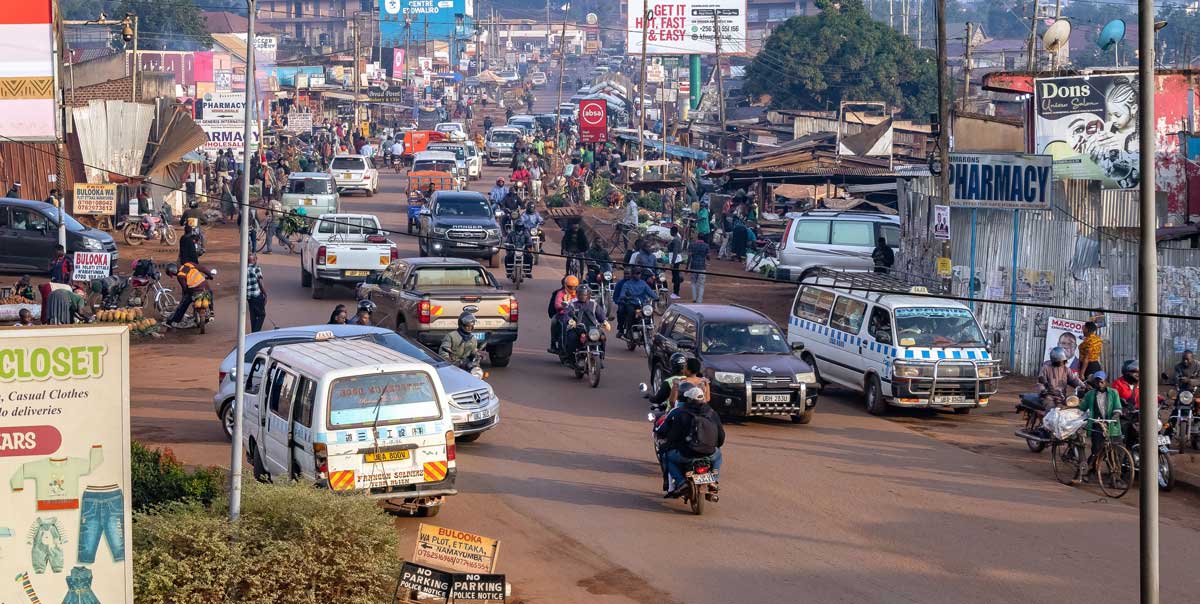
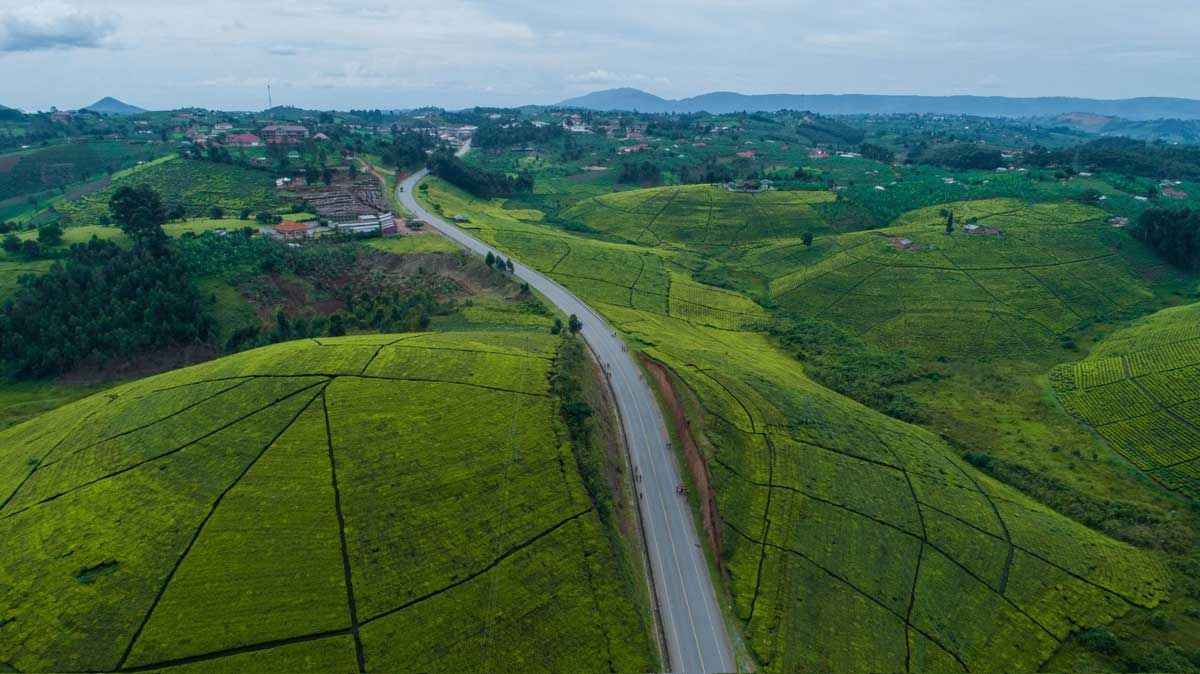
Driving conditions in Uganda vary widely depending on the region. Main highways between major centres are generally paved, but traffic patterns can be unpredictable. In rural areas, road quality may deteriorate, particularly after rain.
One of the defining features of Ugandan roads is mixed use. Vehicles share space with:
- Motorcycles (boda-bodas)
- Pedestrians
- Cyclists
- Livestock
- Heavy trucks and buses
This creates an environment where awareness and reaction time are critical. Common risks include:
- Sudden overtaking by other vehicles
- Limited road markings
- Inconsistent speed control
- Pedestrians walking along or crossing roads
- Reduced visibility due to dust, rain, or poor lighting
Urban areas such as Kampala and the Entebbe corridor can be particularly congested. Traffic flow is often slow but unpredictable, with motorcycles weaving between vehicles and limited enforcement of formal traffic rules.
Night driving significantly increases risk. Roads are often poorly lit, and hazards such as unmarked vehicles, animals, and pedestrians become harder to detect.
For most travellers, self-driving is not recommended unless they have experience in similar conditions. Using a professional driver who understands local road behaviour is the safest and most effective option.
Long-Distance Travel Challenges
Long-distance road travel is central to the Uganda experience, but it is also where Uganda road travel safety becomes most relevant.
Journeys between destinations can take several hours, often longer than expected. Factors such as road conditions, weather, traffic, and stops along the way all influence travel time.
Typical challenges include:
- Driver fatigue on extended routes
- Variable road surfaces between regions
- Limited rest facilities in remote areas
- Delays due to weather or road conditions
- Slower travel through towns and villages
Travellers frequently underestimate how demanding these journeys can be. A transfer that appears straightforward on a map may involve continuous driving over uneven roads or through changing terrain.
Fatigue is a key risk factor, particularly when itineraries are tightly scheduled. Travellers arriving from long-haul flights and immediately undertaking extended road transfers are especially vulnerable.
Safe planning includes:
- Allowing sufficient time between destinations
- Including rest stops during long journeys
- Avoiding back-to-back long transfers
- Breaking up travel with overnight stays where needed
In Uganda, the journey is part of the experience, but it must be managed carefully to maintain safety.
Public vs Private Transport
Public transport in Uganda is widely available but is not designed for tourist travel. Shared minibuses and buses are commonly used by locals, but they offer limited control over safety standards, routes, and schedules.
For travellers, private transport is strongly recommended. This includes:
- Pre-arranged transfers through tour operators
- Lodge-organised transport
- Private safari vehicles with experienced drivers
Private transport provides:
- Known driver and vehicle
- Controlled routing and timing
- Better communication with accommodation providers
- Increased comfort and reduced fatigue
- Greater security for personal belongings
Boda-bodas are widely used for short distances, particularly in urban areas. While convenient, they carry higher risk due to exposure and traffic behaviour. They are not recommended for travellers unfamiliar with local conditions.
Domestic flights can be used in some itineraries to reduce long road journeys. These are particularly useful for accessing remote parks but still require coordinated transfers at both ends.
Choosing structured transport is one of the most effective ways to improve Uganda road travel safety.
Weather, Timing and Route Planning
Weather has a direct impact on road travel in Uganda. Rain can affect road conditions quickly, particularly on rural or unpaved routes. Mud, potholes, and reduced visibility can slow travel and increase risk.
Timing is equally important. Early departures are safer and more efficient, while late travel increases exposure to fatigue and night driving conditions.
Key planning considerations include:
- Avoiding night driving wherever possible
- Allowing buffer time for delays
- Checking weather conditions before departure
- Planning realistic travel distances per day
- Coordinating closely with drivers and operators
A common mistake is scheduling tight connections between destinations. In Uganda, where multiple variables affect travel time, this increases stress and reduces flexibility.
The safest itineraries are those that prioritise timing and allow for adjustment. This ensures that safety decisions are not compromised by schedule pressure.
Emergency Response on the Road
Road-based incidents in Uganda are not common for travellers, but when they occur, response depends on coordination rather than proximity.
Challenges include:
- Remote locations far from medical facilities
- Limited communication in certain areas
- Delays in identifying exact location
- Dependence on drivers or operators for initial response
Even minor issues such as vehicle breakdowns or delays can become complicated without clear communication and support.
Travellers should ensure that:
- Their itinerary is shared with a reliable contact
- Transfer providers are known and trusted
- Emergency contacts are easily accessible
The key factor is response time. The faster a situation is understood and managed, the lower the risk of escalation.
Travel Safety Apps and Road-Based Emergency Response
Uganda road travel safety improves significantly when travellers have access to immediate support during transit.
TravelSafe SOS provides a structured emergency response system that operates across road travel environments. If an incident occurs, travellers can trigger assistance instantly.
This enables:
- Real-time location sharing
- Immediate assessment by a central control centre
- Coordination of medical or logistical support
- Communication with insurer, travel agent, and next of kin
In practical terms, this means that if a delay, accident, or medical issue arises, response begins immediately rather than after uncertainty or communication breakdown.
This is particularly valuable in Uganda, where travel often involves long distances and remote areas. Having a consistent response system ensures that support is always accessible, regardless of location.