
Understanding the Safety Environment in Mozambique
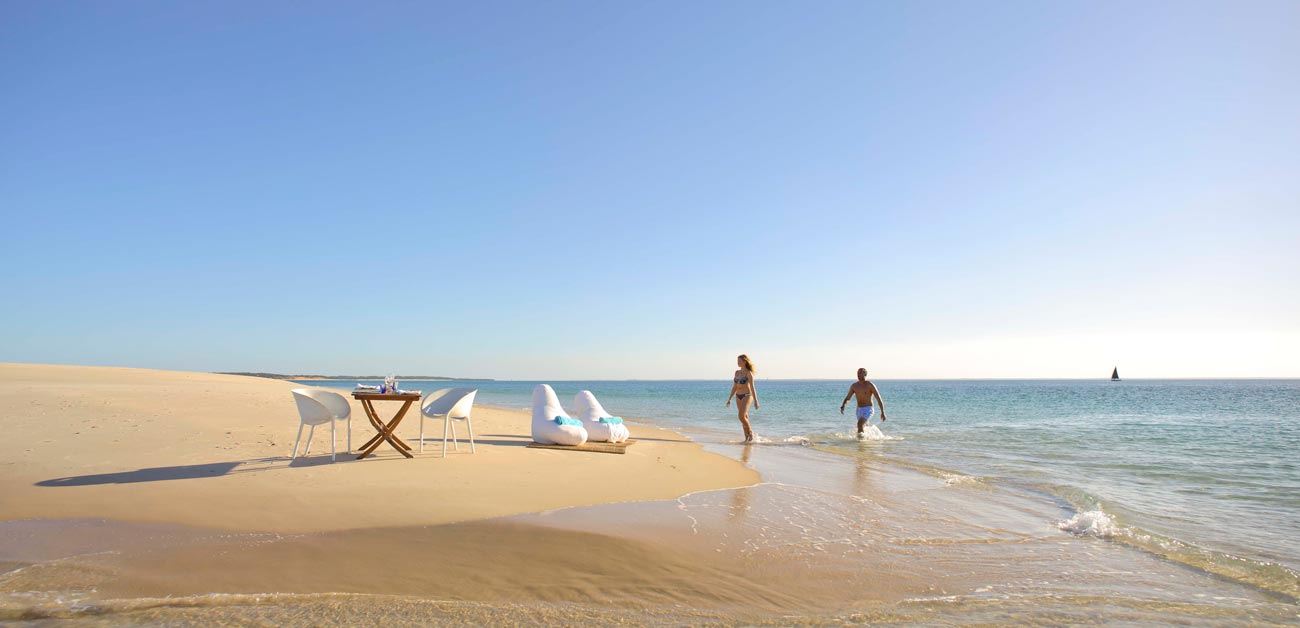
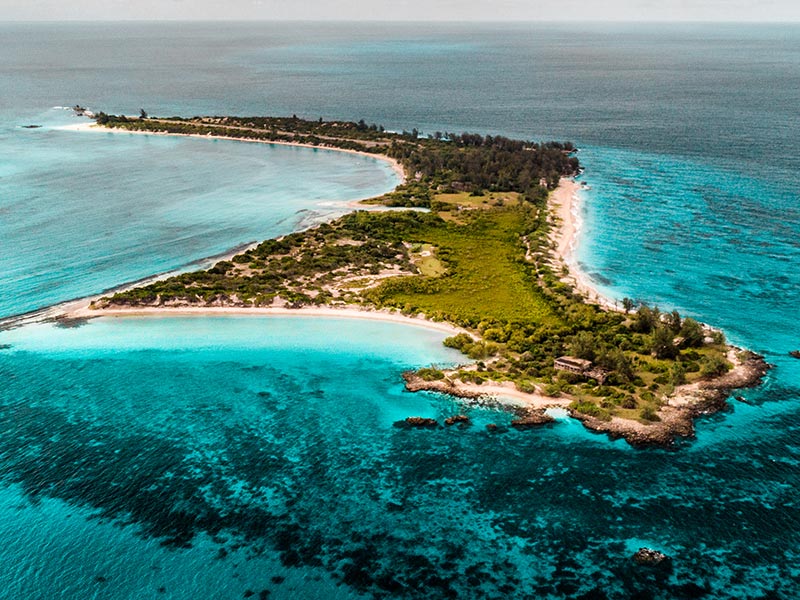
Mozambique is an emerging Indian Ocean destination known for its remote beaches, island archipelagos, and marine experiences. Key tourism areas include Vilanculos and the Bazaruto Archipelago, the Inhambane coastline, and the southern region near Maputo.
At a national level, Mozambique presents a mixed safety profile. Tourism regions in the south and central coastline operate within structured travel systems and are considered safe for visitors, while parts of the far north have experienced security challenges linked to insurgency activity.
Travellers researching safety conditions in Mozambique often focus on understanding regional differences and ensuring they have access to reliable emergency support systems during their trip. Safety in Mozambique is not uniform, and location is the single most important factor influencing risk.
Understanding Mozambique travel safety requires separating active tourism zones from areas where travel is not advised. Most travellers visit well-established coastal destinations that operate independently of northern security concerns.
Regional Risk Differences Across Mozambique
Mozambique’s safety profile is highly regional.
Lower-risk tourism zones include:
• Vilanculos and the Bazaruto Archipelago
• Inhambane, Tofo, and Barra
• Maputo and the surrounding coastal region
• Southern beach destinations and lodges
These areas are established tourism hubs with regular international visitors, functioning transport systems, and structured accommodation.
Moderate-risk areas include:
• parts of central Mozambique with limited infrastructure
• inland travel routes where services are less developed
Higher-risk areas include:
• Cabo Delgado province in northern Mozambique
• regions affected by insurgency activity
These northern areas are not part of standard tourism itineraries and are typically avoided by travellers.
For most visitors, travel remains within the southern and central coastal regions, where risk is significantly lower and manageable.
Crime Exposure and Visitor Risk
Crime in Mozambique is generally opportunistic and less prevalent than in some larger urban centres elsewhere in Africa, but it still requires awareness.
Common risks include:
• petty theft
• bag snatching in urban areas
• opportunistic crime in markets or busy streets
Violent crime affecting tourists is relatively uncommon in tourism zones.
Risk increases when travellers:
• move around unfamiliar urban areas at night
• carry visible valuables
• use informal or unverified transport
• travel without local guidance
Risk decreases when travellers:
• stay in established lodges and resorts
• use pre-arranged transfers
• limit unnecessary urban exposure
• follow local advice
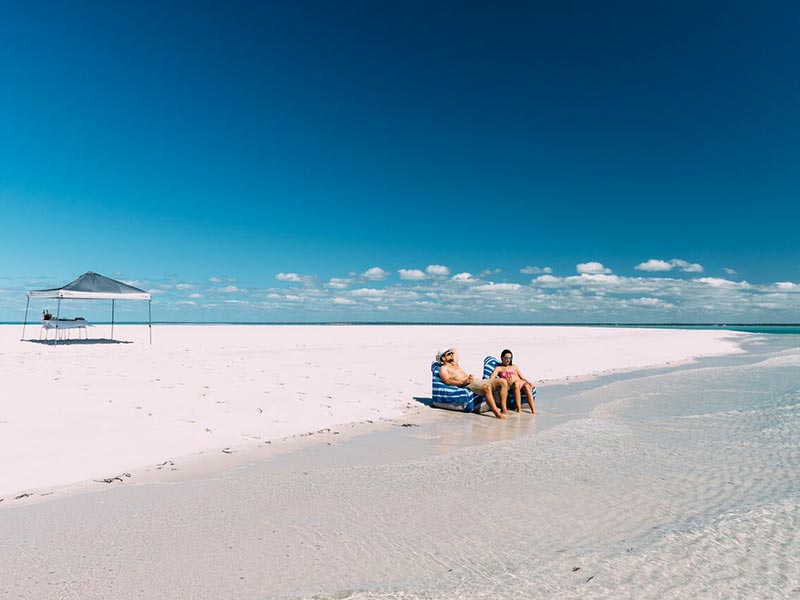
Most beach and island travellers experience minimal crime exposure due to the controlled nature of their environment.
Political Stability and Security Risk
Mozambique is politically stable in its southern and central regions, but security concerns exist in the far north.
The Cabo Delgado region has experienced insurgency activity in recent years. This has received international attention, but it is geographically isolated from the main tourism areas.
Key considerations:
• insurgency activity is confined to the far north
• southern and central tourism regions are unaffected
• travel advisories typically distinguish clearly between regions
Tourists travelling to Vilanculos, Inhambane, and Maputo are not exposed to these northern security issues.
Understanding this geographic separation is critical to accurately assessing risk.
Transport and Road Safety
Transport safety is one of the most important practical considerations in Mozambique.
Road conditions vary significantly, with well-maintained routes in some areas and more challenging conditions in others.
Common risks include:
• long travel distances between destinations
• limited road infrastructure in rural areas
• night driving hazards
• unpredictable driving behaviour
Transfers between destinations often involve:
• road transfers from airports
• boat transfers to islands
• light aircraft flights to coastal regions
Higher-risk transport includes:
• informal minibuses
• unregulated taxis
• independent self-drive without local knowledge
Safer options include:
• pre-arranged lodge transfers
• domestic flights where available
• reputable tour operators
Transport logistics are often a greater risk factor than crime.
Healthcare Infrastructure and Emergency Capacity
Healthcare infrastructure in Mozambique is limited, particularly outside major urban centres.
Private medical facilities are available in Maputo, but options in coastal and remote areas are basic. Serious medical incidents often require evacuation to South Africa.
Key considerations:
• limited advanced medical care outside cities
• reliance on evacuation for serious conditions
• coordination challenges in remote areas
Travellers should:
• have comprehensive travel insurance
• understand evacuation procedures
• plan for limited local medical capacity
Emergency response capability is a critical component of safe travel in Mozambique.
Environmental and Health Risks
Environmental and health risks are an important part of travel planning in Mozambique.
Key considerations include:
• malaria risk in many coastal regions
• heat and dehydration
• ocean currents and water safety
• seasonal cyclones and flooding
Malaria is one of the most relevant health risks and requires appropriate prevention strategies.
Marine environments are generally safe but require awareness of conditions, particularly when swimming or snorkeling.
Weather patterns can affect travel logistics, especially during cyclone season.
Risk Probability by Travel Structure
Travel structure plays a major role in determining safety outcomes.
Lower exposure travel includes:
• beach lodges and island resorts
• guided travel arrangements
• pre-arranged transfers
• structured itineraries
Higher exposure travel includes:
• independent travel without planning
• informal transport use
• unverified accommodation
• long-distance self-drive travel
Travellers following structured beach and island itineraries typically experience very low levels of risk.
Operational Preparedness for Travellers
Preparedness is essential when travelling in Mozambique.
Key actions include:
• planning all transport and transfers in advance
• avoiding night travel on unfamiliar roads
• using trusted operators and accommodation
• securing valuables
• staying informed about local conditions
Travellers should also consider how they would respond in an emergency. In many cases, the challenge is not the incident itself but coordinating assistance quickly across remote areas.
Having a clear emergency response plan significantly improves both safety and confidence.
Related Mozambique Travel Safety Guides
As more Mozambique safety articles are published, travellers will be able to explore additional guidance covering malaria risk, transport safety, beach transfers, and regional security considerations.
Travel Preparedness and Emergency Support in Africa
Travelling across Mozambique often involves remote coastal regions, island destinations, and limited infrastructure outside major urban centres. While most trips proceed without serious incidents, travellers can encounter practical challenges such as medical emergencies, transport disruptions, lost documents, or unexpected safety situations, particularly in areas where access to immediate assistance is limited.
TravelSafe SOS was developed specifically for these conditions. The platform connects travellers to a centralized 24-hour response system that can coordinate medical assistance, security support, emergency logistics, and cross-border response across southern and eastern Africa.
Using GPS-enabled location data and verified traveller profiles, response teams can assess incidents quickly and direct the most appropriate assistance, whether that involves medical coordination, evacuation planning, or connecting travellers with local emergency services.
The platform operates across major tourism regions including Mozambique, South Africa, Namibia, Botswana, Zimbabwe, Malawi, Tanzania, Kenya, Uganda and Rwanda, ensuring continuity of support as travellers move between destinations.
In situations where travellers may not know who to contact, where medical help is located, or how to escalate a problem safely, TravelSafe SOS provides a single point of contact that can coordinate assistance rapidly and communicate with insurers, tour operators and emergency responders when required.
Prepared travellers reduce risk exposure. Having a structured emergency response system available throughout a journey provides an additional layer of reassurance when travelling across complex and remote environments.
To understand how the system works in practice, learn more about the TravelSafe SOS platform here: https://travelsafesos.com/
Frequently Asked Questions
Is Mozambique safe for tourists
Mozambique is safe for tourists in established travel areas such as Vilanculos, the Bazaruto Archipelago, Inhambane, and Maputo. These regions operate within structured tourism systems. Travellers should avoid northern areas affected by insurgency and follow planned itineraries.
Is the insurgency in Mozambique a risk for tourists
The insurgency is limited to the far north of Mozambique in Cabo Delgado province. This area is not part of standard tourism routes. Popular destinations in the south and central regions are not affected.
Is Maputo safe for tourists and business travellers
Mozambique is considered safe for beach holidays when travellers stay in reputable lodges and use arranged transfers. Most visitors experience no safety issues in established coastal destinations.
Do I need malaria tablets for Mozambique
Malaria risk exists in many parts of Mozambique, particularly along the coast. Travellers should consult a medical professional before travel to determine appropriate prevention strategies.
What is the biggest safety risk in Mozambique
Transport and medical access are the most significant risks. Long distances, limited infrastructure, and restricted healthcare facilities mean that planning and emergency coordination are essential.
How can I stay safe in Mozambique
Staying safe involves planning transport in advance, using reputable operators, avoiding high-risk regions, and preparing for limited infrastructure. Access to emergency support systems significantly improves safety outcomes.