
Understanding Safety in Tofo
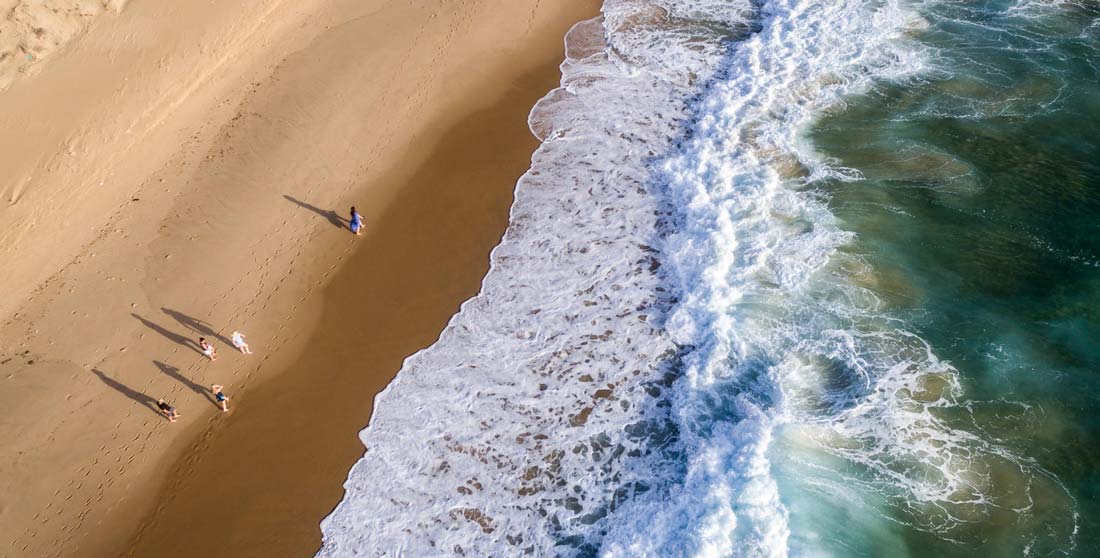
Tofo is not a controlled resort destination. It is an open coastal environment where movement is informal and conditions are constantly changing.
This creates a very different safety profile compared to:
- cities like Johannesburg or Nairobi
- structured safari environments like Kruger or the Masai Mara
In Tofo, there is:
- no perimeter control
- limited supervision
- minimal formal safety infrastructure
This does not make it dangerous.
It makes it self-managed.
Travellers are responsible for:
- assessing conditions
- managing exposure
- making decisions based on awareness
The main risks are not crime. They are:
- ocean dynamics
- diving exposure
- isolation
- delayed response time
Understanding this shift is critical. Tofo is safe, but only when approached correctly.
Ocean Conditions and Coastal Exposure
The Indian Ocean along Tofo’s coastline is powerful and highly variable.
Conditions are influenced by:
- tidal movement
- wind direction
- offshore swell
- seabed structure
These factors interact continuously, meaning conditions can change rapidly throughout the day.
Key hazards include:
- rip currents pulling swimmers offshore
- heavy shore break waves
- uneven underwater terrain
- sudden depth changes
Unlike resort beaches:
- there are no consistent lifeguards
- no warning flags
- no controlled swimming zones
Travellers must assess the water before entering.
The biggest mistake is assuming:
👉 calm water equals safe water
Many dangerous currents are not visible from the surface.
Seasonal Patterns and Changing Conditions
Ocean risk in Tofo is not static. It varies by season.
During certain periods:
- swell increases
- currents strengthen
- visibility decreases
Wind patterns also affect:
- wave intensity
- surface conditions
- diver entry points
Travellers often underestimate how quickly conditions shift between:
- morning calm
- afternoon instability
This is particularly important for:
- swimmers
- snorkellers
- inexperienced ocean users
Reassessing conditions throughout the day is essential.
Ocean safety is dynamic, not fixed.
Understanding Rip Currents Properly
Rip currents are one of the most serious risks along Tofo’s coastline.
They:
- form unpredictably
- are not always visible
- move quickly
Most incidents occur because swimmers panic.
The instinctive reaction is:
- to fight the current
- to swim directly back to shore
This leads to exhaustion.
The correct response is:
- remain calm
- float if needed
- swim parallel to shore
This single piece of knowledge significantly reduces risk.
Tofo is not dangerous because of the ocean.
It becomes dangerous when the ocean is misunderstood.
Diving and Snorkelling Risk Exposure
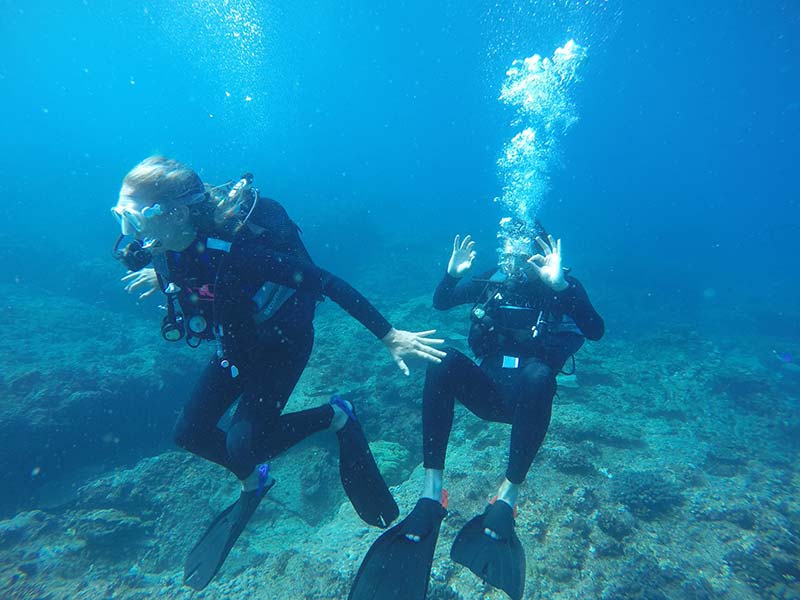
Tofo is one of Mozambique’s top diving destinations, known for:
- whale shark encounters
- manta ray cleaning stations
- offshore reef systems
These experiences occur in open ocean conditions, not protected reef lagoons.
This introduces real exposure:
- stronger currents
- deeper dive profiles
- reduced visibility
- physical strain during entry and exit
Boat launches are often conducted through surf, requiring:
- precise timing
- coordination
- physical awareness
Divers must also manage:
- air consumption under exertion
- navigation in changing visibility
- energy levels across multiple dives
Most diving incidents occur when:
- divers overestimate experience
- fatigue is ignored
- conditions are underestimated
Even confident divers need to adjust to Tofo.
Boat Launch and Surf Entry Risk
One of the most overlooked hazards in Tofo is the boat launch itself.
Launching through surf requires:
- rapid boarding
- balance under pressure
- awareness of wave timing
Missteps can result in:
- falls
- impact injuries
- disorientation before the dive even begins
Returning through surf presents similar challenges.
These are controlled by experienced operators, but travellers must:
- follow instructions exactly
- remain focused
- avoid hesitation during critical moments
This is not a passive experience.
It requires active participation.
Tourist Behaviour and Risk Patterns
Many incidents in Tofo are linked not to environment alone, but to behaviour.
Common patterns include:
- swimming after alcohol consumption
- overconfidence in ocean ability
- ignoring local advice
- travelling alone in isolated areas
The relaxed atmosphere can create a false sense of security.
Travellers shift into:
- holiday mindset
- reduced awareness
- increased risk tolerance
This is where exposure increases.
The safest travellers in Tofo are those who:
- remain aware
- treat the environment seriously
- plan movement and activity
The destination rewards awareness, not complacency.
Transport and Access Considerations
Tofo is not easily accessed.
Travel typically involves:
- flights to Inhambane
- road transfers from Vilanculos or Maputo
- local transport on arrival
Risks arise from:
- long travel distances
- inconsistent road conditions
- reliance on local drivers
The final approach into Tofo often includes:
- unmarked roads
- limited signage
- reliance on local knowledge
Travellers who:
- pre-arrange transfers
- use known providers
- avoid last-minute decisions
reduce risk significantly.
Transport is not dangerous, but it is unstructured.

Isolation and Decision Risk
One of the defining characteristics of Tofo is low density.
This creates:
- quiet areas
- minimal supervision
- reduced immediate assistance
In isolated situations:
- small problems escalate faster
- response time increases
- decision-making becomes critical
Travellers may find themselves:
- alone on sections of beach
- far from assistance
- without immediate support
This is not inherently unsafe, but it requires:
👉 awareness and self-management
Isolation amplifies mistakes.
Medical Access and Response Time Reality
Medical facilities in Tofo are limited.
Basic care is available, but serious cases require:
- transfer to Inhambane
- or evacuation to larger centres
This is particularly important for:
- diving-related incidents
- infections
- dehydration
- injuries
Response depends on:
- communication
- transport availability
- coordination
The key risk is delay.
Unlike cities, where response is immediate, Tofo requires time.
Early recognition and escalation are critical.
Travel Safety Apps and Coastal Emergency Response
Coastal environments introduce different risks, particularly related to ocean activity and access to care. TravelSafe SOS provides a direct link to coordinated assistance, ensuring that incidents such as diving complications or medical issues can be escalated quickly. This is particularly valuable in areas where facilities are limited and response requires coordination.
Frequently Asked Questions
How do you identify a rip current before entering the water
Rip currents often appear as darker, calmer channels between breaking waves or areas where water seems to move away from shore. Travellers should observe wave patterns for several minutes and avoid sections where water movement looks uneven or inconsistent.
What is the most dangerous part of a dive trip in Tofo
The surf launch and return are often the most physically demanding and risky parts. Boarding and exiting boats through waves requires coordination and timing. Many minor injuries occur during this phase rather than underwater.
Can inexperienced swimmers safely enjoy Tofo beaches
Inexperienced swimmers should avoid entering the water without guidance. Conditions can change quickly, and currents may not be obvious. Staying in shallow areas and seeking local advice significantly reduces risk.
Why do divers get into trouble even with experienced operators
Divers often underestimate fatigue and overestimate their ability in changing conditions. Strong currents, repeated dives, and physical exertion increase risk. Operators manage conditions, but individual awareness remains critical.
How quickly can help reach you in a coastal emergency
How quickly can help reach you in a coastal emergency
Response time varies depending on location and communication. In many cases, assistance is not immediate and requires coordination. This delay makes early recognition of problems essential.
Is it safe to swim alone in Tofo
Swimming alone increases risk significantly. If conditions change or a current develops, there is no immediate assistance. Travellers should always swim with others or in visible areas.
What should you do if conditions suddenly become rough while in the water
Remain calm, avoid panic, and move toward the safest exit point without fighting strong currents directly. Observing wave patterns before entering the water helps reduce this risk.
How do travellers reduce risk when moving around Tofo at night
Travellers should remain in central areas, avoid isolated sections, and limit unnecessary movement after dark. While crime is low, reduced visibility increases exposure in quieter areas.