
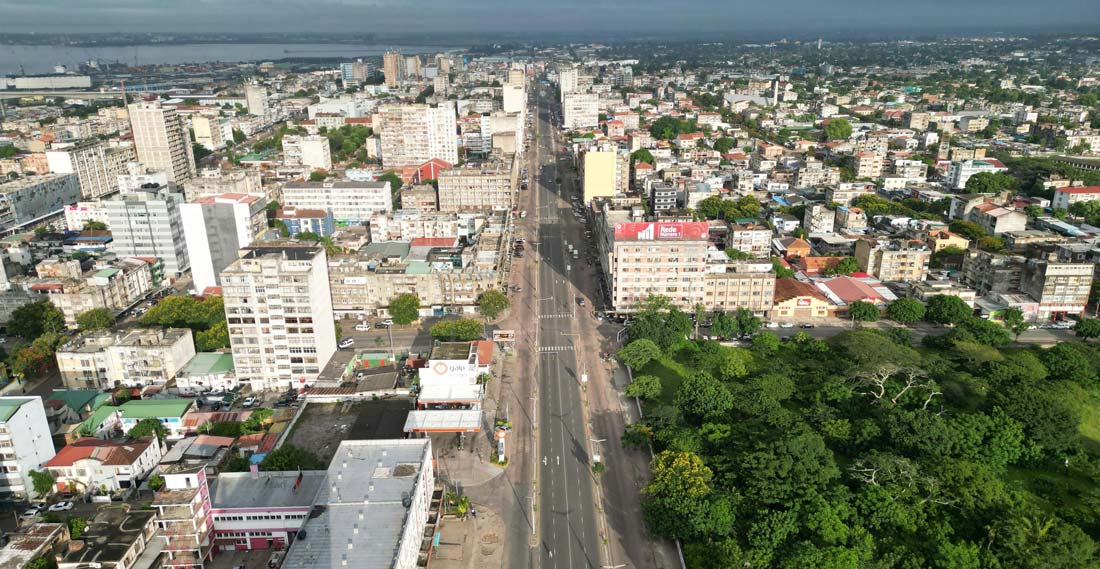
Understanding Road Travel in Mozambique
Mozambique is not a destination where road travel works the same way as in developed countries.
Distances are long, infrastructure varies, and travel conditions change depending on region, weather, and time of day.
The key risk is not criminal activity.
It is exposure over time.
Travellers often assume:
- distances are manageable
- roads are consistent
- travel time is predictable
In reality:
- a 300 km journey can take 6–8 hours
- road quality can shift quickly
- delays are common
Road travel in Mozambique is safe when planned correctly, but unpredictable when approached casually.
Driving Conditions and Infrastructure
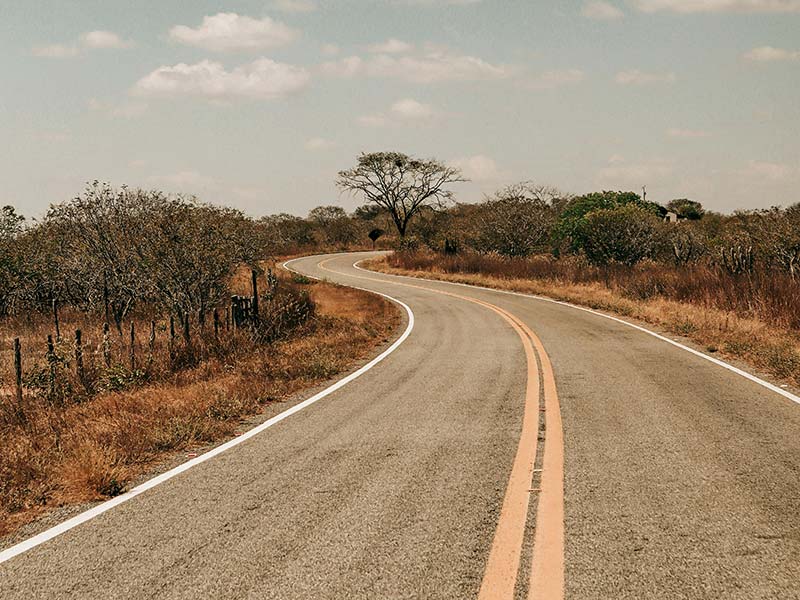
Road conditions vary significantly across the country.
Main routes between major centres are generally:
- paved
- navigable
- used regularly
However, even these routes can include:
- potholes
- uneven surfaces
- unexpected hazards
Secondary and coastal access roads are more challenging:
- sand tracks
- narrow routes
- limited signage
- seasonal deterioration
Driving requires:
- constant attention
- reduced speed
- anticipation of hazards
Night driving introduces a different level of risk and should be avoided wherever possible.
Long-Distance Travel and Fatigue Risk
Fatigue is one of the most underestimated risks in Mozambique.
Long travel days often involve:
- early departures
- extended driving hours
- heat exposure
- concentration over rough terrain
Drivers may:
- lose focus
- react slowly
- misjudge road conditions
This risk increases significantly when:
- travellers attempt to “push through” long distances
- routes are poorly planned
- breaks are not taken
Unlike in more developed regions, stopping safely is not always straightforward.
Fatigue reduces decision-making ability, which directly increases exposure to accidents.
Vehicle Reliability and Breakdown Scenarios
Vehicle condition is critical when travelling in Mozambique.
Breakdowns are not uncommon, particularly on:
- long routes
- remote coastal access roads
- sand tracks
The issue is not just the breakdown itself.
It is where it happens.
A breakdown in:
- a populated area is manageable
- a remote area creates exposure
Travellers must consider:
- spare tyres
- fuel levels
- communication ability
- recovery options
In many areas, assistance is not immediately available.
Preparation reduces risk more than reaction.
Border Crossings and Transport Planning
Cross-border travel into Mozambique adds another layer of complexity.
Border crossings can involve:
- administrative delays
- documentation checks
- queues and waiting periods
Travellers unfamiliar with the process may:
- experience confusion
- rely on informal assistance
- become exposed to unnecessary risk
Planning ahead is essential:
- correct documentation
- understanding crossing points
- timing travel during daylight
The safest crossings are:
- well-known
- regularly used
- approached with preparation
Poor planning at borders can disrupt entire travel schedules.
Coastal Access and Last-Mile Travel
Many of Mozambique’s top destinations require final access via secondary routes.
This includes areas such as:
- Vilanculos surroundings
- Tofo and Barra
- remote beach lodges
These routes may involve:
- sand driving
- limited signage
- local navigation knowledge
Travellers often underestimate:
- how long final access takes
- how conditions change with weather
This “last-mile” travel is where:
- delays happen
- breakdowns occur
- navigation errors increase
Using experienced drivers or arranged transfers significantly reduces this risk.
Safety vs Crime: The Real Perspective
Crime on Mozambican roads is not the primary concern for travellers.
The real risks are:
- accidents
- fatigue
- poor road conditions
- breakdown exposure
Most incidents involving travellers are self-created through poor planning, not external threat.
Understanding this is critical:
👉 road safety in Mozambique is about logistics, not fear
Travellers who approach it correctly experience smooth and safe journeys.
Emergency Response on Remote Routes
Emergency response on Mozambican roads depends heavily on:
- location
- communication
- coordination
There is no universal roadside assistance system.
In remote areas:
- help may take time
- communication may be limited
- recovery requires coordination
Medical emergencies are particularly sensitive due to:
- distance from facilities
- transport delays
The difference between a manageable situation and a serious one is often:
👉 how quickly it is escalated
Travel Safety Apps and Remote Road Travel Response
On remote routes where assistance is not immediately available, having access to coordinated support is essential. TravelSafe SOS allows travellers to share their exact location and request assistance, enabling a control centre to coordinate recovery, medical support, or onward transport. In Mozambique, where distances are significant, this reduces risk exposure during breakdowns or incidents.
Frequently Asked Questions
What should you do if your car breaks down on a remote road in Mozambique
Remain inside the vehicle if the location is isolated and keep doors locked. Assess your communication options and attempt to contact assistance rather than leaving the vehicle. Visibility is safer than exposure. If possible, move the vehicle slightly off the road without isolating yourself further.
Is it safe to drive at night in Mozambique
Night driving is strongly discouraged. Visibility is poor, road hazards are harder to detect, and response to unexpected situations is slower. Livestock, pedestrians, and unlit vehicles increase risk significantly. Daytime travel is always the safer option.
How accurate are travel times on Mozambican roads
Travel times are often underestimated. Road conditions, checkpoints, weather, and navigation challenges can extend journeys significantly. Travellers should plan conservatively and allow extra time rather than relying on estimated distances alone.
What is the safest way to travel long distances in Mozambique
The safest approach is to use experienced drivers or pre-arranged transfers, particularly for unfamiliar routes. If self-driving, travellers should plan routes carefully, travel during daylight, and ensure vehicles are well-prepared for distance and terrain.
Are roadside stops safe in Mozambique
Roadside stops should be planned rather than spontaneous. Stopping in busy or known locations is safer than pulling over in isolated areas. Travellers should avoid unnecessary stops and remain aware of surroundings when exiting vehicles.
What happens if you get lost while driving in Mozambique
If lost, avoid continuing into unknown areas without direction. Use GPS where available and seek assistance from structured locations such as fuel stations or lodges. Avoid relying on informal roadside guidance in isolated areas.
How important is fuel planning when driving in Mozambique
Fuel planning is critical. Distances between fuel stations can be significant, and availability may vary. Travellers should refuel regularly and avoid letting fuel levels drop too low, particularly when heading into remote areas.
Can you rely on mobile signal for navigation and emergencies
Mobile coverage is inconsistent, particularly in remote areas. Travellers should not rely solely on mobile signal for navigation or emergency communication. Backup planning and awareness of route conditions are essential.