

Understanding Mozambique Transport Safety in 2026
Transport safety in Mozambique is one of the most important factors shaping a traveller’s overall experience. Unlike more developed destinations, infrastructure varies significantly, and many journeys take place across long distances with limited support services.
Most travellers move between Maputo, Inhambane, Vilanculos, and coastal destinations by road, with some routes extending into remote areas where assistance is not immediately available.
Mozambique transport safety is not about avoiding travel. It is about understanding how the system works and where the real risks sit.
The majority of journeys are completed without incident, particularly when using structured transfers or domestic flights. However, risk increases quickly when travellers underestimate distances, road conditions, or the importance of planning.
In Mozambique, transport is not just logistics. It is a core safety consideration.
Road Conditions and Infrastructure Reality
Road conditions in Mozambique vary widely depending on the route and region.
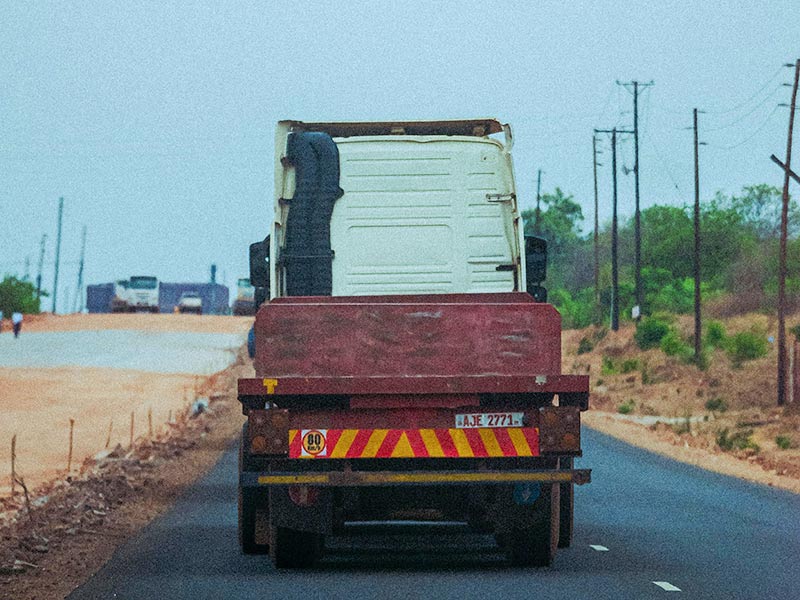
Main roads connecting key destinations such as Maputo, Inhambane, and Vilanculos are generally in reasonable condition, but this does not mean they are predictable. Potholes, surface deterioration, and sudden changes in road quality are common.
Secondary roads and access routes to lodges or coastal properties are often unpaved, uneven, or affected by weather conditions. During rainy seasons, flooding and washaways can alter routes or extend travel times significantly.
Lighting is minimal outside urban areas, and signage can be inconsistent. This makes navigation more challenging, particularly for first-time visitors.
The key issue is variability. Conditions can change quickly, and travellers must plan for delays rather than assume fixed travel times.
Driving Risks and Local Road Behaviour
Driving in Mozambique requires a different mindset from Europe or the United States.
Road behaviour can be unpredictable. Vehicles without proper lighting, sudden stops, pedestrians, and livestock on roads are all common, particularly outside major towns.
Overtaking practices, speed variation, and limited enforcement in some areas also contribute to risk.
The highest-risk scenarios include:
night driving
long-distance fatigue
unfamiliar routes
poor visibility conditions
Daytime driving is strongly recommended. Visibility alone reduces a significant portion of risk exposure.
Self-driving is possible, but only for travellers comfortable with these conditions. For most visitors, using experienced drivers or arranged transfers provides a far safer and more controlled option.
Long-Distance Travel and Route Planning
Mozambique distances are often underestimated.
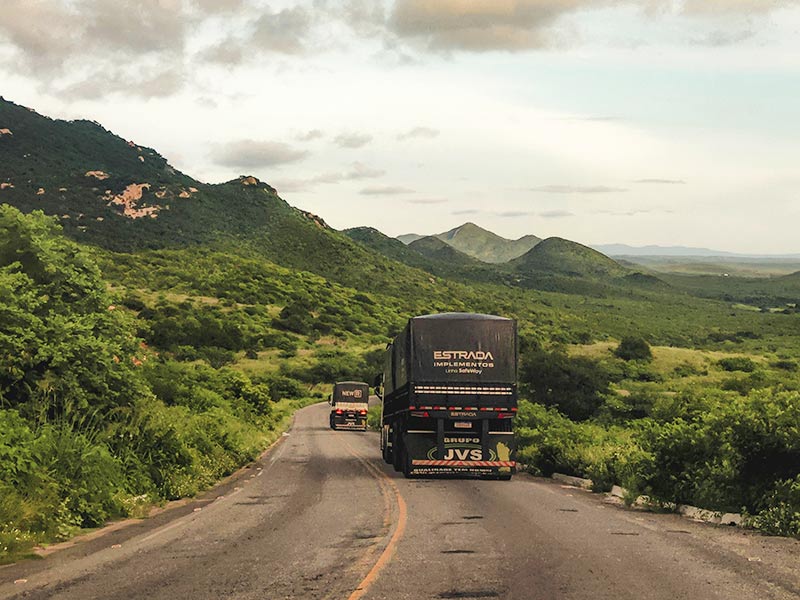
Routes such as Maputo to Inhambane or Inhambane to Vilanculos can take several hours, often longer than expected due to road conditions, checkpoints, and unexpected delays.
Fuel stations are not always frequent, and rest stops are limited in more remote areas. This means travellers must plan journeys carefully rather than relying on spontaneous stops.
Long-distance travel introduces additional risks:
fatigue
navigation errors
limited assistance availability
communication gaps
Preparation is critical. Knowing your route, fuel points, and estimated arrival time reduces uncertainty and exposure.
Public Transport and Why It Is Not Recommended
Public transport in Mozambique is widely used by locals but is not designed for international travellers.
Minibuses and shared taxis operate on informal systems with variable safety standards. Overcrowding, inconsistent driving behaviour, and lack of formal controls increase risk.
For visitors unfamiliar with the system, these options introduce unnecessary exposure.
Most travellers instead rely on:
lodge-arranged transfers
private drivers
guided travel services
These provide structure, accountability, and a significantly higher level of safety.
Air Travel and Safer Alternatives to Road Routes
Domestic flights are a key part of safe travel in Mozambique.
Flights between Maputo, Vilanculos, and Inhambane reduce travel time and remove many of the risks associated with long-distance road journeys.
For safari and beach combinations, flying is often the preferred option. It allows travellers to move efficiently between destinations while minimizing exposure to road conditions.
Air travel is not just about convenience. In Mozambique, it is often the safest way to cover distance.
Breakdowns, Delays and Emergency Exposure
Breakdowns and delays are a realistic part of travel in Mozambique, particularly on longer or more remote routes.
Roadside assistance is limited, and mobile coverage can be inconsistent outside major towns. This means help may take time to reach you.
In these situations, travellers can become vulnerable, particularly if they are unsure how to escalate the situation.
Key risks during breakdowns include:
isolation
communication delays
accepting help from unknown individuals
lack of clarity on next steps
The safest approach is to remain with the vehicle, contact your transport provider or accommodation, and avoid making reactive decisions under pressure.
Preparation before the journey is what determines how manageable these situations become.
When Transport Risk Increases in Mozambique
Transport risk is not constant. It increases in predictable scenarios.
Night driving is the most significant factor. Poor visibility, unlit vehicles, and unexpected hazards make driving after dark substantially more dangerous.
Fatigue from long travel days also increases risk. Travellers attempting to cover too much distance in a single journey are more likely to make poor decisions.
Unplanned routes or last-minute changes can lead to navigation errors and increased exposure, particularly in areas with limited signage or support.
The pattern is consistent. Risk rises when planning decreases.
Practical Transport Safety Advice
Simple, structured decisions significantly reduce risk.
Avoid driving at night under all circumstances
Use experienced drivers or lodge-arranged transfers
Plan routes, fuel stops, and travel times in advance
Allow extra time for delays
Keep communication devices charged
Share your travel plans with accommodation providers
These are not restrictions. They are essential adjustments to how travel works in Mozambique.
Why Immediate Emergency Support Matters on the Road
Transport incidents in Mozambique are rarely about the initial problem. They are about what happens next.
A breakdown, accident, or medical issue on a remote road requires immediate coordination. Delays increase exposure, particularly when communication is limited and assistance is far away.
TravelSafe SOS provides a direct response system that connects travellers to a 24-hour control centre. From the moment an incident occurs, the system can locate the traveller, assess the situation, and coordinate the appropriate response.
This includes medical support, evacuation logistics, and communication with insurers, tour operators, and family.
On remote roads where time and coordination matter most, this type of support transforms a high-risk situation into a managed one.
Mozambique Transport Safety in Context
Transport in Mozambique is safe when approached with planning and awareness.
The country’s infrastructure supports tourism effectively when travellers use structured systems such as private transfers and domestic flights. Most journeys are completed without incident under these conditions.
However, Mozambique does not support unstructured travel well. Long distances, variable road conditions, and limited emergency support mean that poor planning increases risk quickly.
Understanding this distinction allows travellers to move confidently and safely across the country.
Transport safety in Mozambique is not about avoiding travel. It is about doing it correctly.
Frequently Asked Questions
Is it safe to drive in Mozambique
Driving in Mozambique can be safe when done during the day and with proper planning. Most risks come from road conditions and visibility rather than crime. Travellers who understand routes, avoid night driving, and plan journeys carefully generally have smooth travel experiences.
Are Mozambique roads dangerous
Roads are not inherently dangerous, but conditions vary and can be unpredictable. Potholes, unlit vehicles, and pedestrians on roads increase risk, particularly outside urban areas. Understanding these conditions is key to reducing exposure.
Should I drive at night in Mozambique
Night driving is not recommended. Poor lighting, reduced visibility, and increased presence of hazards make driving after dark significantly more risky than daytime travel.
Is public transport safe in Mozambique
Public transport is widely used locally but is not recommended for international travellers. Safety standards, reliability, and predictability are lower than private or arranged transport options.
Are domestic flights safer than road travel
Domestic flights are often safer and more efficient for long distances. They reduce exposure to road risks and are widely used in structured travel itineraries across Mozambique.
What should I do if my car breaks down
Travellers should remain with their vehicle, avoid accepting help from unknown individuals, and contact their transport provider or accommodation. Having a clear communication plan in place before travelling is essential.