Is South Africa Safe? National Security Conditions and Travel Risk Overview

Understanding South Africa’s safety landscape, from urban crime patterns to infrastructure and travel risks.

South Africa’s National Security Environment and Structural Risk Profile

South Africa occupies a complex position in Southern Africa. It is the continent’s most industrialized economy, a major aviation hub, and a leading safari and coastal tourism destination. It is politically stable at a national level but faces persistent socioeconomic inequality, high urban crime rates, and infrastructure pressures.

A credible assessment of whether South Africa is safe must distinguish between national stability and localized crime exposure. South Africa does not face insurgency or civil war risk. Its risk profile is primarily crime driven rather than politically violent.

The country maintains a formal constitutional democracy with independent courts and a professional national defense force. However, policing capacity varies by municipality, and crime concentration is highly geographic.

Primary risk variables relevant to visitors include:

  • Concentrated urban crime in specific neighborhoods
  • Armed robbery and carjacking in metropolitan areas
  • Informal settlement crime spillover near transport corridors
  • Infrastructure disruptions such as power outages
  • Road accident rates
  • Localized protest activity

For structured international visitors operating within established tourism corridors, the probability of serious harm remains moderate to low when basic precautions are followed.

Geographic Risk Differentiation Across South Africa

South Africa’s safety environment varies sharply by city and neighborhood.

Johannesburg
The country’s financial center carries the highest crime concentration. Risk varies significantly by suburb. Sandton, Rosebank, and secure business districts remain structured and heavily monitored. Certain inner city zones present elevated risk after dark.

Cape Town
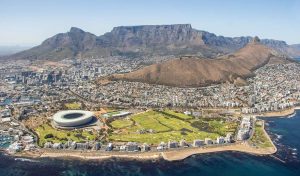
Crime is concentrated in specific districts and informal settlements. Central tourism areas such as the V and A Waterfront, Camps Bay, and established suburbs remain well monitored. Opportunistic theft is more common than violent targeting of tourists.

Durban
Petty crime and occasional armed robbery occur in urban areas. Coastal resort zones remain structured but require normal urban vigilance.

Kruger and Private Safari Reserves
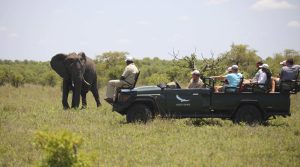
Inside regulated reserves, criminal exposure is extremely low. Wildlife safety and road transfer logistics present the primary risk variables.

Garden Route and Winelands
Generally lower crime exposure. Risks are primarily road safety related.

South Africa’s risk landscape is highly localized rather than nationally uniform.

Urban Crime Patterns and Visitor Exposure

South Africa’s crime statistics are higher than many neighboring countries. However, exposure risk for visitors depends heavily on movement patterns and behavior.

Most common exposures include:

  • Phone snatching
  • Smash and grab theft at traffic lights
  • Pickpocketing
  • Armed robbery in isolated areas
  • Carjacking in high risk zones

Scenario Model 1
Visitor walking alone at night in an unfamiliar district after rideshare drop off. Exposure risk increases significantly.

Scenario Model 2
Visitor using vetted transfers, staying in secure accommodation, and avoiding isolated areas after dark. Exposure remains moderate to low.

Crime in South Africa is geographically concentrated and behavior sensitive.

Political Stability and Protest Risk

South Africa is politically stable with regular elections and institutional continuity. However, service delivery protests and labor strikes occur periodically.

Key characteristics:

  • Protests are usually localized
  • Road closures may occur
  • Violence is typically directed at infrastructure rather than tourists
  • Media coverage can amplify perception

Tourists are rarely targeted during protests, but proximity to unrest increases indirect risk through transport disruption.

Monitoring advisories during election cycles or major labor strikes reduces exposure.

Infrastructure and Operational Exposure

South Africa faces infrastructure strain linked to power supply and municipal management.

Key factors include:

  • Rolling power outages
  • Water restrictions in drought cycles
  • Occasional fuel price volatility
  • Transport service delays

Established hotels and safari lodges operate with backup generators and contingency systems. Independent travelers may be more exposed to disruption.

Infrastructure instability in South Africa is operational inconvenience risk rather than systemic security risk.

Road Transport and Infrastructure Risk​

Road accident rates exceed violent crime risk for many visitors.

Contributing factors:

  • High speed highways
  • Variable driving standards
  • Minibus taxi unpredictability
  • Night driving risk in rural areas
  • Wildlife crossings in safari zones

Structured transfers reduce exposure significantly. Self driving requires defensive awareness, particularly at night.

Safari and Wildlife Safety Environment​

South Africa operates some of Africa’s most regulated safari systems in:

  • Kruger National Park
  • Sabi Sands
  • Madikwe
  • Phinda

Wildlife proximity remains the primary safety variable.

Risk factors include:

  • Exiting vehicles in self drive zones
  • Approaching elephants or buffalo
  • Flash flooding in summer months
  • Heat exposure

Crime inside private reserves is extremely rare. Medical evacuation planning remains critical in remote areas.

Healthcare Infrastructure and Emergency Capacity

South Africa maintains the strongest private healthcare network in sub Saharan Africa.

Major cities offer:

  • Advanced trauma care
  • Specialist surgical services
  • Air ambulance networks
  • International standard private hospitals

Public healthcare facilities vary in quality. Visitors typically access private hospitals.

Serious emergencies are usually treated domestically rather than requiring international evacuation.

Border and Cross-Border Risk

South Africa borders:

  • Zimbabwe
  • Botswana
  • Namibia
  • Mozambique
  • Eswatini
  • Lesotho

Cross border tourism is common.

Primary exposure risks include:

  • Documentation errors
  • Long queues during peak periods
  • Vehicle insurance requirements
  • Currency exchange confusion

Violent cross border instability is not a primary risk factor.

Environmental and Seasonal Risk

South Africa experiences:

  • Wildfire risk in Western Cape summers
  • Flooding during heavy rainfall cycles
  • Heatwaves in interior provinces
  • Coastal storm systems

Environmental risk impacts logistics more than personal security.

Risk Probability by Travel Structure

Lower Exposure Profile

  • Guests in private safari lodges
  • Structured Cape Town itineraries
  • Vetted transfers
  • Guided tours

Higher Exposure Profile

  • Independent night movement in urban areas
  • Unverified rideshare use
  • Informal township entry without guides
  • Displaying valuables openly

Structured travel materially reduces exposure in South Africa.

Operational Preparedness for South Africa

Effective safety management includes:

  • Using verified transport providers
  • Avoiding isolated areas after dark
  • Not displaying high value items
  • Monitoring protest advisories
  • Ensuring medical insurance coverage

South Africa is not characterized by political collapse or insurgency risk. It is characterized by concentrated urban crime in specific areas.

TravelSafe SOS provides centralized 24 hour coordination across South Africa’s cities, safari regions, and cross border corridors, strengthening escalation clarity in environments where geographic crime variation requires structured response awareness.

Frequently Asked Questions

South Africa is generally safe for tourists operating within structured tourism areas and established accommodation. Crime is geographically concentrated and behavior sensitive. Visitors using vetted transport, secure hotels, and normal urban precautions significantly reduce exposure compared to unstructured independent movement in unfamiliar neighborhoods.

Cape Town’s main tourism districts such as the V and A Waterfront and Camps Bay are well monitored and structured. Crime is concentrated in specific districts outside core tourism zones. Visitors following basic urban safety practices face low to moderate exposure risk.

Johannesburg has higher crime concentration than other South African cities. Risk varies sharply by suburb. Secure business districts and established hotels remain structured. Independent night movement in unfamiliar areas increases exposure significantly.

Safari environments in regulated parks and private reserves are extremely secure from crime perspective. Wildlife safety and road transfers present greater risk variables than criminal exposure. Following ranger guidance significantly reduces risk.

South Africa has advanced private healthcare facilities in major cities with strong trauma capability. Visitors typically access private hospitals rather than public facilities. International standard treatment is available in Johannesburg, Cape Town, and Durban.

Localized urban crime represents the primary exposure variable. Road accident risk is also significant. Structured accommodation, vetted transfers, and avoiding high risk neighborhoods materially reduce exposure for international visitors.

Scroll to Top