
Understanding South Africa Travel Safety
South Africa is one of Africa’s most developed and diverse travel destinations, combining major cities, world-class safari regions, and coastal environments. It attracts millions of international visitors each year who travel safely within structured tourism systems.
At the same time, South Africa has a visible crime profile that shapes global perception. The key for travellers is understanding that risk is not evenly distributed.
South Africa is not unsafe, but it is not passive either.
Safety depends on how you travel, where you go, and how well your movements are planned. Travellers who stay within established tourism environments experience a very different reality from those who move outside these systems without guidance.
Understanding this distinction is the foundation of travelling South Africa safely.
Where South Africa Is Safest for Tourists
South Africa’s safety profile varies significantly by location, but this variation is predictable.
The safest environments are structured tourism zones such as private game reserves, safari lodges, and coastal destinations. These operate with controlled access, trained staff, and defined guest movement.
Cities such as Cape Town, Johannesburg, and Durban are widely visited but require more awareness. Within these cities, specific areas such as the V&A Waterfront, Camps Bay, Sandton, and Umhlanga are actively managed and commonly used by international travellers.
Higher-risk environments include informal settlements, isolated urban areas, and locations outside recommended zones. These are not part of standard travel itineraries.
Most travellers who stay within known areas and follow structured movement patterns experience very low levels of risk.
Crime Risk and What Travellers Actually Experience
Crime is the most discussed aspect of South Africa travel safety, but it is often misunderstood.
The most common incidents affecting tourists are:
petty theft
bag snatching
theft from vehicles
distraction-based scams
These are opportunistic and linked to behaviour rather than targeted intent.
Serious crime exists but is rarely directed at tourists who remain within structured environments.
Risk increases in predictable scenarios:
walking alone at night
using informal transport
stopping in isolated areas
displaying valuables
Risk decreases significantly when travellers:
use arranged transport
stay in established accommodation
follow local guidance
limit unnecessary movement
South Africa’s crime risk is real, but it is also highly manageable and largely avoidable.
Transport and Road Safety Reality
Transport is one of the most underestimated risks in South Africa.
Road infrastructure is generally good, but driving behaviour can be inconsistent, and accident rates are relatively high.
Key risks include:
high-speed driving
night travel hazards
poor lighting in rural areas
unpredictable local driving patterns
Urban transport requires careful selection. Ride-hailing services are widely used and generally reliable in major cities, while informal minibus taxis are not recommended for visitors.
For most travellers, the safest approach is:
pre-arranged transfers
reputable car rental providers
guided tours
In many cases, transport risk is more relevant than crime.
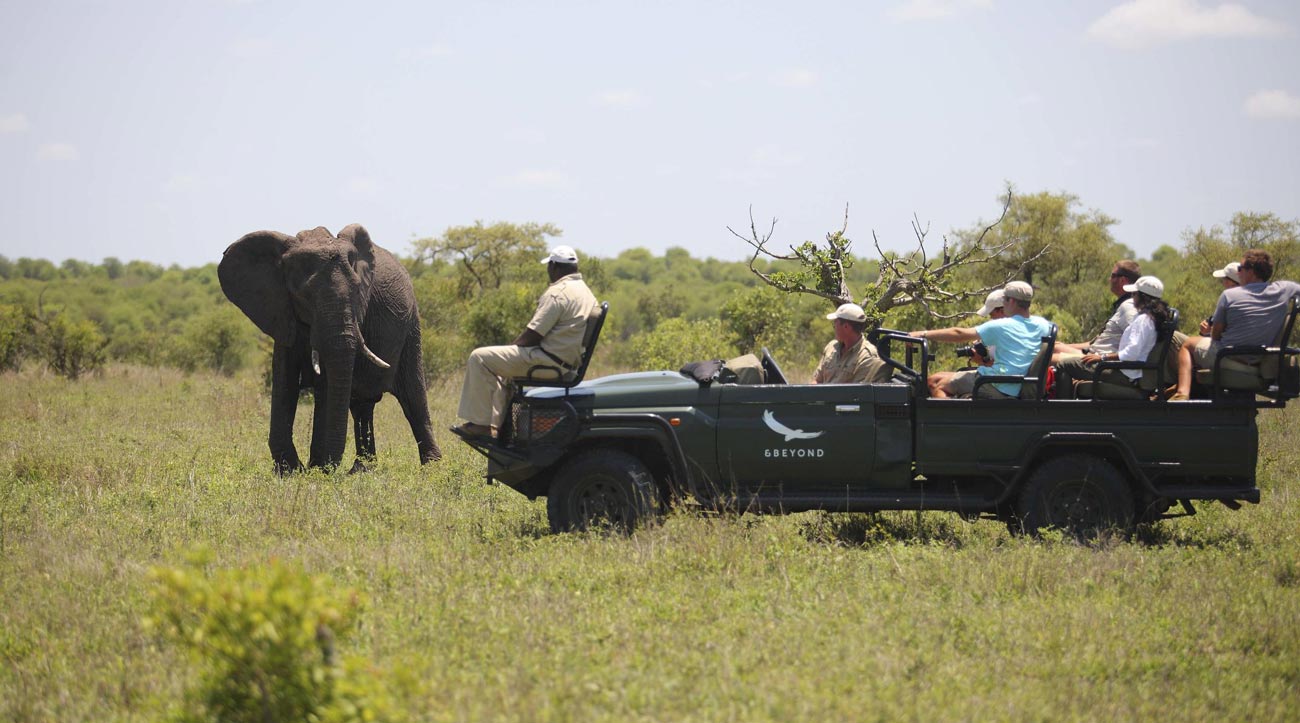
Safari Safety and Wildlife Risk
Safari experiences in South Africa are among the safest in Africa when conducted through licensed operators.
Wildlife encounters are managed through:
trained guides
strict protocols
controlled environments
The primary risk is not wildlife itself, but failure to follow instructions.
Travellers who respect guidelines and remain within structured safari systems experience extremely low risk, even in close-proximity wildlife environments.
Healthcare and Emergency Access
South Africa has one of the strongest healthcare systems on the continent, particularly within the private sector.
Private hospitals in major cities offer high-quality care comparable to international standards.
However, access depends on:
location
response time
insurance coverage
In remote areas such as safari regions, advanced care may require transfer to a major city.
The key factor is coordination.
In emergencies, the speed at which care is accessed matters more than the availability of facilities.
Health and Environmental Risks
Health risks in South Africa are generally low but vary by region.
Key considerations include:
malaria risk in northeastern safari areas
heat and dehydration
strong ocean currents in coastal regions
seasonal weather conditions
Malaria risk is geographically limited and manageable with proper precautions.
Environmental risks are predictable and can be mitigated through awareness and preparation.

When Risk Increases in South Africa
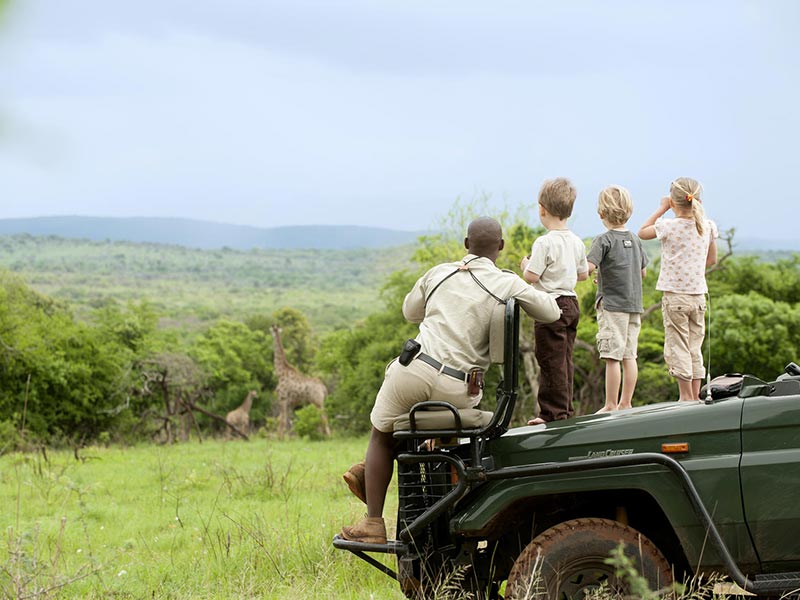
Risk in South Africa is not constant. It increases in specific situations.
Unstructured movement in cities, particularly at night, increases exposure to crime.
Unplanned travel routes, especially in unfamiliar areas, increase vulnerability.
Driving long distances or at night increases transport-related risk.
The pattern is clear. South Africa is safe when travel is structured and planned, and risk increases when that structure is removed.
Practical Safety Advice for Travellers
Simple decisions significantly reduce risk.
Use reputable accommodation and operators
Arrange transport in advance
Avoid walking alone at night
Keep valuables out of sight
Stay within recommended areas
Follow local guidance
These are standard practices for travelling safely in South Africa and align with how the destination is designed to be experienced.
Why Immediate Emergency Support Matters
Most travel in South Africa is smooth and well-managed. The challenge arises when something unexpected happens.
A medical emergency, vehicle breakdown, or security issue requires immediate coordination.
TravelSafe SOS provides a centralized response system that connects travellers to a 24-hour control centre. From the moment an incident occurs, response teams can assess the situation, coordinate assistance, and manage communication across multiple parties.
In a destination where response time can vary depending on location, this level of coordination reduces delays and improves outcomes significantly.
Is South Africa Safe for Tourists Overall
South Africa is safe for tourists when travelled correctly.
Its tourism infrastructure is well developed, its safari experiences are among the best in the world, and most visitors experience no issues during their trip.
However, South Africa requires awareness. It is not a destination where travellers can move without consideration.
Travellers who plan properly and follow structured travel patterns experience South Africa as a safe and highly rewarding destination.
Safety is not about avoiding South Africa. It is about understanding how to travel it.
Frequently Asked Questions
Is South Africa safe for tourists
South Africa is safe for tourists who follow structured travel plans and basic safety precautions. Most visitors experience no issues when staying in established tourism areas and using reputable transport. Risk is largely linked to behaviour and movement rather than the destination itself.
What is the biggest safety risk in South Africa
The most common risks are opportunistic crime and road safety. Theft and scams occur mainly in urban environments, while road accidents are a significant but often overlooked risk. Both can be managed effectively through planning, awareness, and structured travel.
Are safaris in South Africa safe
Safaris are extremely safe when conducted through licensed operators. National parks and private reserves follow strict safety protocols, and guides are trained to manage wildlife encounters. Travellers who follow instructions experience very low risk.
Is Cape Town safe for tourists
Cape Town is generally safe in well-known areas such as the V&A Waterfront, Camps Bay, and the City Bowl. Risk increases outside these areas and at night. Using arranged transport and avoiding isolated locations significantly improves safety.
Is South Africa safer than other African countries
South Africa has higher visible crime levels than some countries but also has stronger infrastructure and healthcare systems. Safety depends more on how travel is structured than on the country itself. Many travellers find South Africa safe when following established travel patterns.
Do I need travel insurance for South Africa
Travel insurance is essential. It ensures access to private healthcare, covers emergencies, and supports evacuation if required. Without insurance, accessing high-quality medical care can be difficult.
Is it safe to drive in South Africa
Driving is generally safe on major routes, but road behaviour and accident risk require caution. Night driving and long-distance travel increase risk. Many travellers choose guided transport or pre-arranged transfers for added safety.
Can tourists walk around South African cities
Walking is safe in certain areas during the day but not recommended at night or outside known zones. Most travellers rely on transport rather than walking between locations, particularly in cities.
What happens if something goes wrong while travelling
If an issue occurs, response depends on how quickly it is coordinated. In cities, support is usually accessible, but in remote areas, response may take longer. Having a clear plan or access to a coordination service significantly improves outcomes.
Is South Africa safe for families and older travellers
South Africa is safe for families and older travellers when using structured itineraries, reputable accommodation, and guided transport. Many destinations are designed specifically for comfortable and secure travel experiences.
How do you stay safe in South Africa
Staying safe involves planning movements, using trusted services, avoiding high-risk areas, limiting night travel, and maintaining awareness. Travellers who follow these principles experience very low levels of risk.