
Is South Africa Safe to Visit in 2026? Essential Safety Tips for Cities, Safaris and Coastal Travel
South Africa Travel Safety in 2026 requires awareness of geography, infrastructure and local movement patterns rather than fear. South Africa remains one of Africa’s most visited destinations, drawing travellers to Cape Town’s coastline, Kruger National Park’s wildlife reserves, the Garden Route’s landscapes and Johannesburg’s commercial energy. Most international visitors experience safe and memorable journeys, but exposure varies depending on where travellers stay, how they move and how structured their itinerary is.
Understanding South Africa Travel Safety means recognising that risk patterns differ significantly between urban centres, rural highways, safari reserves and coastal tourism towns. Visitors who stay in reputable accommodation, use organised transfers, travel with licensed operators and avoid unfamiliar districts at night experience far lower exposure than travellers moving without planning.
South Africa’s safety environment can be grouped into six practical categories:
- Urban crime exposure
- Road and transport hazards
- Wildlife proximity in safari regions
- Coastal environmental conditions
- Protest and social disruption
- Medical access and emergency response
The purpose of this guide is to explain these risk layers clearly so travellers can make informed decisions before arrival and while travelling within the country.
TravelSafe SOS strengthens South Africa Travel Safety by connecting travellers to a 24 hour control centre capable of coordinating assistance across cities, remote reserves, coastal regions and long distance transport routes. In unfamiliar environments where emergency numbers or procedures may be unclear, structured escalation improves response clarity and speed.
Key Safety Considerations for Travelling in South Africa
South Africa has some of the most developed tourism infrastructure in Africa, yet safety patterns vary by region and time of day. Major tourist zones such as Cape Town’s Atlantic Seaboard, the Kruger safari corridor and the Garden Route maintain strong visitor infrastructure and security presence. However certain urban districts experience higher crime rates, particularly after dark.
Crime exposure in South Africa tends to concentrate in dense urban environments rather than tourism areas. Opportunistic theft remains the most common issue affecting travellers. Violent crime targeting international tourists is relatively rare but incidents occur when visitors move unpredictably or enter unfamiliar neighbourhoods.
Tourists significantly reduce risk by following structured travel practices:
- Use hotel recommended transport services
- Avoid isolated walking at night
- Secure valuables and avoid visible electronics
- Travel with licensed guides for excursions
- Stay in well reviewed accommodation areas
Preparation and situational awareness remain the most effective safety strategies.
Safety in South African Cities
Cities such as Cape Town, Johannesburg and Durban are vibrant economic centres with diverse neighbourhoods and active tourism industries. However city safety varies between districts.
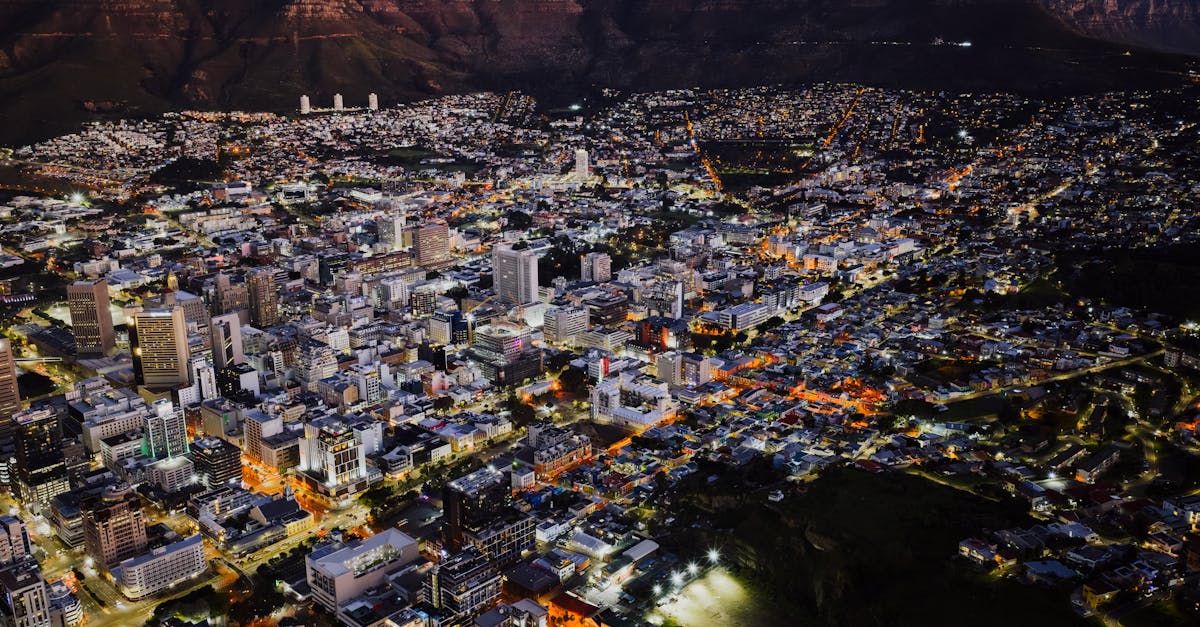
In Cape Town, most visitors stay in areas such as the Waterfront, Camps Bay, Sea Point or the City Bowl where hotels maintain strong security presence. Johannesburg visitors typically stay in Sandton, Rosebank or Melrose Arch, which operate with private security and controlled access environments.
Higher exposure situations include:
- Walking alone in unfamiliar urban areas after dark
- Using unverified taxis or ride services
- Visiting informal settlements without local guidance
- Carrying visible valuables in crowded areas
Scenario Model:
A traveller leaves a restaurant in Cape Town and walks alone through a quiet street while using a smartphone. Visibility and isolation increase exposure.
Contrast this with a short vehicle transfer arranged through the hotel. Exposure becomes minimal.
Urban safety in South Africa depends heavily on location awareness and transport planning rather than citywide threat levels.
TravelSafe SOS adds reassurance in cities by providing a structured emergency pathway that does not rely on finding local police numbers or navigating unfamiliar systems during high stress situations.
Safety Across South Africa’s Safari Regions
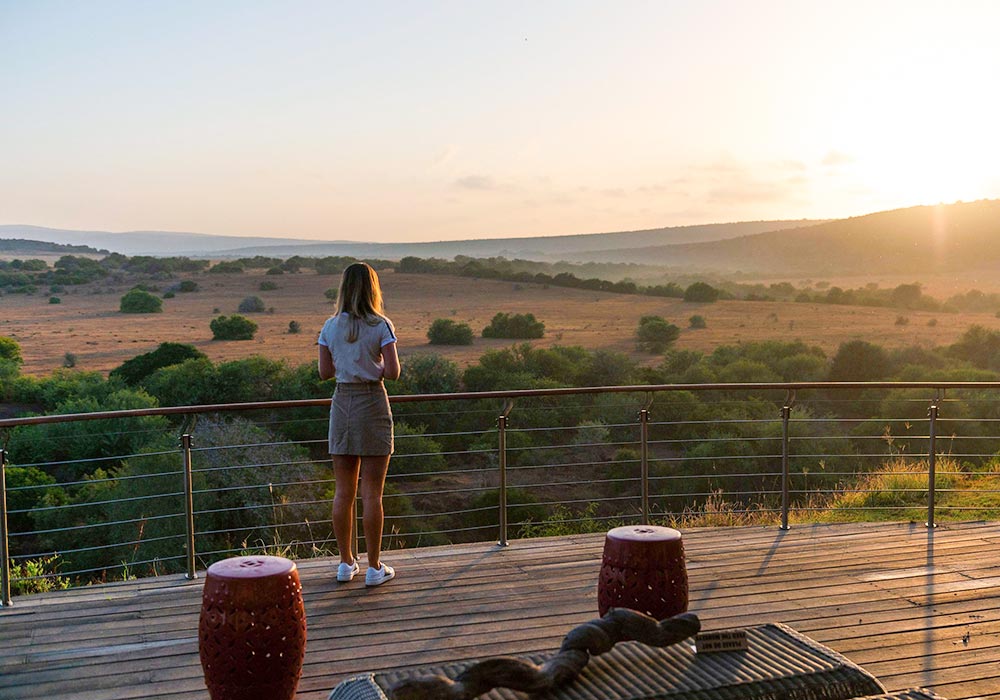
South Africa hosts some of the most professionally managed safari ecosystems in Africa. National parks and private reserves such as Kruger National Park, Sabi Sands, Madikwe and Phinda operate with strong ranger presence and strict wildlife management protocols.
Primary safari safety principles include:
- Remaining inside vehicles during wildlife sightings
- Maintaining safe distance from animals
- Following ranger instructions at all times
- Avoiding sudden movement near predators
- Staying within designated camp areas after dark
Wildlife proximity rather than crime is the primary risk variable in safari environments. Lodges operate with controlled access and trained guides.
Scenario Model:
A visitor attempts to approach an elephant herd on foot outside a designated viewing area. Wildlife behaviour becomes unpredictable and exposure increases immediately.
Following guide instruction keeps safari risk extremely low.
Remote reserves may experience weak mobile signal coverage. TravelSafe SOS strengthens safari safety by ensuring emergency alerts transmit even in low connectivity environments.
Coastal Safety in South Africa
South Africa’s coastline stretches more than 2,500 kilometres and includes major tourism destinations such as Cape Town, the Garden Route, Durban and the Wild Coast.
Coastal safety considerations include:
- Strong ocean currents and rip tides
- Sudden weather changes affecting sea conditions
- Isolated beach environments after dark
- Opportunistic theft when belongings are unattended
Most popular beaches operate with lifeguards and clear safety flags. Visitors should always swim in designated zones and follow local safety guidance.
Environmental conditions represent the primary coastal risk rather than crime. Rip currents and cold water temperatures require awareness, particularly along the Atlantic coast.
TravelSafe SOS provides an additional layer of support during coastal travel by assisting travellers during water incidents, medical emergencies or situations where individuals become separated from companions.
Transport and Road Safety in South Africa
Road travel is common for visitors exploring South Africa, particularly on routes such as the Garden Route or transfers between safari lodges and regional airports.
While South Africa maintains a developed road network, several risk factors exist:
- Long distance driver fatigue
- High speed overtaking on rural roads
- Animals crossing highways in rural regions
- Night driving in poorly lit areas
- Informal minibus taxi behaviour
Visitors unfamiliar with local driving conditions often prefer private transfers or organised tours rather than self driving long distances.
Scenario Model:
Tourist drives several hours at night on rural roads between towns. Reduced visibility and animal crossings increase accident exposure.
Daytime travel through organised transfers reduces risk significantly.
TravelSafe SOS assists travellers during long journeys by enabling location tracking and coordination of assistance in the event of breakdown or collision.
Medical Infrastructure and Emergency Response
South Africa hosts some of Africa’s most advanced private medical facilities. Major cities such as Cape Town, Johannesburg and Durban operate hospitals with modern surgical capability and specialist care.
However medical access becomes more limited in remote safari regions or rural areas. In serious situations patients may require evacuation to major cities.
Medical evacuation services operate throughout the country, but response coordination determines speed of care.
TravelSafe SOS improves emergency response by providing a direct channel for coordination during medical situations, accidents or unexpected incidents where rapid support is required.
Political Stability and Protest Activity
South Africa maintains a functioning democratic system but occasionally experiences protest activity related to labour disputes, local service delivery issues or political gatherings.
These events typically involve:
- Temporary road blockages
- Crowd gatherings
- Localised disruption
Tourists are rarely targeted. The main impact is travel disruption rather than personal threat. Avoiding protest areas and monitoring local advisories is generally sufficient mitigation.
Environmental and Seasonal Conditions
South Africa’s climate varies widely between regions. Summer thunderstorms in inland provinces can affect road conditions while coastal regions experience strong seasonal winds.
Wildfire risk exists in parts of the Western Cape during dry months. Heat exposure may occur in arid regions such as the Northern Cape and parts of Kruger during summer.
Environmental risk is largely infrastructure related rather than targeted personal threat.

Travel South Africa With Structured Safety Awareness
South Africa offers extraordinary travel experiences ranging from world class safaris to dramatic coastlines and vibrant cities. Travellers who understand local safety patterns move confidently through the country’s diverse environments.
TravelSafe SOS strengthens South Africa Travel Safety by providing a structured emergency pathway that operates across cities, wildlife reserves, highways and coastal regions.
Download TravelSafe SOS before travelling and explore South Africa with reliable support wherever your journey takes you.
Frequently Asked Questions
Is South Africa safe for American and European tourists in 2026
South Africa remains a major tourism destination with millions of international visitors each year. Most tourists experience safe journeys when travel is structured around reputable accommodation, organised transfers and guided excursions. Crime exposure tends to occur in specific urban districts or during unplanned movement at night rather than within established tourism zones.
How safe is Cape Town compared to other major cities
Cape Town attracts large numbers of international travellers and maintains strong security presence in key tourism areas such as the Waterfront, Camps Bay and the City Bowl. Risk varies between neighbourhoods. Visitors who stay in recognised districts and avoid isolated areas after dark generally experience safe visits.
Are South African safaris safe for families
South African safari reserves operate under strict wildlife management and safety protocols. Families travelling with licensed lodges and professional guides face minimal crime exposure. The primary safety considerations involve wildlife proximity and environmental awareness, both controlled by trained rangers.
Is it safe to self drive in South Africa
Self driving is common in South Africa and many travellers explore routes such as the Garden Route by car. Visitors should avoid night driving in rural areas, remain alert for wildlife on roads and follow defensive driving practices. Those unfamiliar with local conditions may prefer organised transfers.
Does South Africa have good hospitals for tourists
South Africa operates some of Africa’s most advanced private hospitals, particularly in major cities. Emergency treatment and specialist care are widely available in urban centres. However remote safari areas may require evacuation to major hospitals for serious medical situations.
What emergency numbers should travellers know in South Africa
Emergency services in South Africa can be contacted through national numbers for police, ambulance and fire response. However travellers often find local systems unfamiliar during emergencies. Structured response services such as TravelSafe SOS provide direct assistance coordination when travellers need immediate support.