
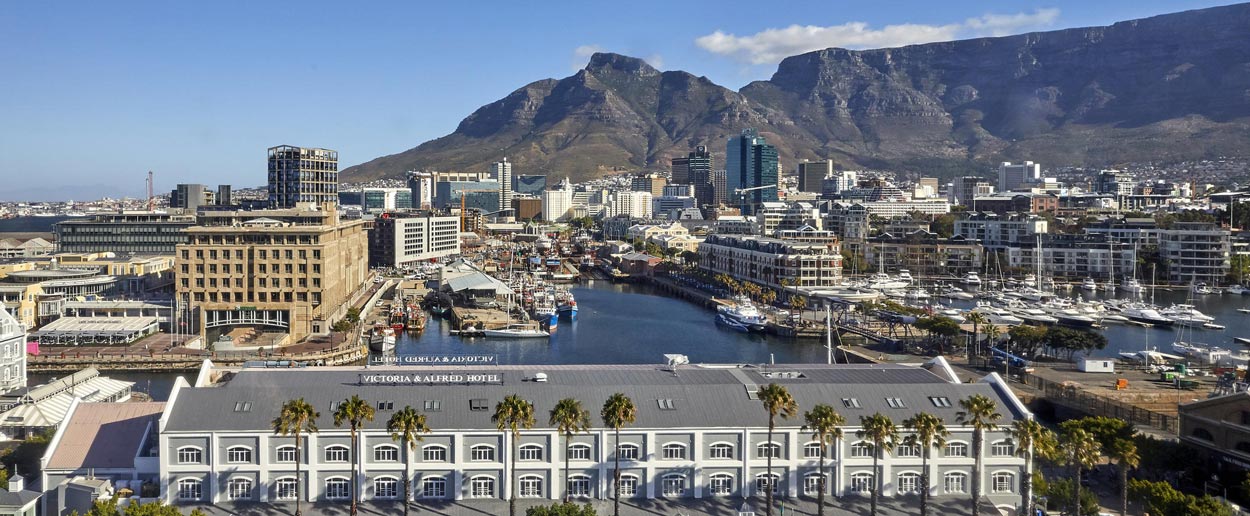
Understanding Safety Conditions in Cape Town
Cape Town is one of Africa’s most visited cities, known for its coastline, mountain landscapes, and established tourism infrastructure. The city receives high volumes of international visitors throughout the year and is well equipped to support safe travel when approached with awareness.
Safety conditions in Cape Town vary significantly by area. Well-developed tourist districts operate with strong security presence and consistent visitor activity, while other parts of the city may present higher levels of risk.
Travellers researching Cape Town travel safety typically focus on understanding where to stay, how to move safely between locations, and how to avoid unnecessary exposure in an unfamiliar urban environment.
Tourist District Safety
Cape Town’s primary tourism areas are widely used by international visitors and are generally well managed.
Lower-risk, high-traffic areas include:
- V&A Waterfront
- Camps Bay
- Clifton beaches
- City Bowl during the day
- Constantia wine region
These areas benefit from:
- visible private security
- controlled environments
- high visitor density
While these locations are considered relatively safe, travellers should still follow basic precautions such as keeping belongings secure and remaining aware of their surroundings.
Crime Exposure and Common Scams
Crime affecting visitors in Cape Town is typically opportunistic.
Common risks include:
• pickpocketing in busy areas
• bag snatching
• theft from unattended belongings
• distraction-based scams
Violent crime involving tourists is uncommon in main tourist zones but may occur in less frequented areas.
Risk increases when:
• walking alone in quiet areas
• moving through unfamiliar neighbourhoods
• displaying valuables openly
Most incidents can be avoided through situational awareness and controlled movement.
Transport and Movement
Transport choices play a significant role in overall safety.
Recommended options include:
• registered ride-hailing services
• hotel-arranged transfers
• guided transport
Public transport systems such as trains and informal minibuses are generally not recommended for visitors due to safety and reliability concerns.
Driving is common and safe on main routes, although travellers should avoid unfamiliar areas after dark and plan journeys in advance.
Healthcare and Emergency Response
Cape Town offers some of the strongest medical infrastructure in Africa.
Private hospitals provide:
• high-quality care
• modern facilities
• experienced medical professionals
Emergency services are generally reliable within the city, although response times may vary depending on location.
Access to quality healthcare is a key advantage for travellers visiting Cape Town.
Night Safety and Movement
Safety at night depends largely on location and behaviour.
Lower-risk scenarios include:
- dining in established areas
- using registered transport
- remaining within busy districts
Higher-risk scenarios include:
- walking alone at night
- entering quiet or unfamiliar areas
- using unverified transport
Most visitors safely enjoy Cape Town by planning movements and avoiding unnecessary exposure after dark.
Practical Safety Advice
Simple precautions significantly reduce risk.
Travellers should:
- avoid displaying valuables
- keep personal belongings secure
- use trusted transport options
- stay within known tourist areas
- plan evening movements in advance
Understanding where to go and how to move allows travellers to experience Cape Town confidently.


Related South Africa Travel Safety Guides
Travellers can also explore broader safety considerations across South Africa, including national travel conditions, safari environments, and regional differences.
TravelSafe SOS Emergency Support
TravelSafe SOS provides 24-hour emergency coordination for travellers moving across Africa. If a medical, security or logistical emergency occurs, the platform allows response teams to locate the traveller, assess the situation and coordinate appropriate assistance across multiple African countries. This support can include medical coordination, evacuation logistics and communication with insurers or tour operators when required.
To understand how the system works in practice, learn more about the TravelSafe SOS platform here: https://travelsafesos.com/
Frequently Asked Questions
Is Cape Town safe for tourists
Cape Town is generally safe for tourists when staying in established areas and following basic precautions. Most visitors travel without incident by using trusted transport and avoiding higher-risk areas.
Which areas of Cape Town are safest
Safer areas include the V&A Waterfront, Camps Bay, Clifton and the City Bowl during the day. These locations have strong tourism infrastructure and consistent visitor activity.
Is it safe to walk in Cape Town at night
Walking at night is not recommended outside busy, well-lit areas. Travellers should use registered transport rather than walking after dark.
Is Uber safe in Cape Town
Ride-hailing services are widely used and considered one of the safest transport options for visitors moving around the city.
Are there areas tourists should avoid in Cape Town
Some areas outside the main tourist zones have higher crime levels. Visitors are advised to avoid unfamiliar neighbourhoods without local guidance.
Does Cape Town have good hospitals
Cape Town has excellent private hospitals with high standards of care. These facilities are widely used by international travellers and provide reliable medical support.