
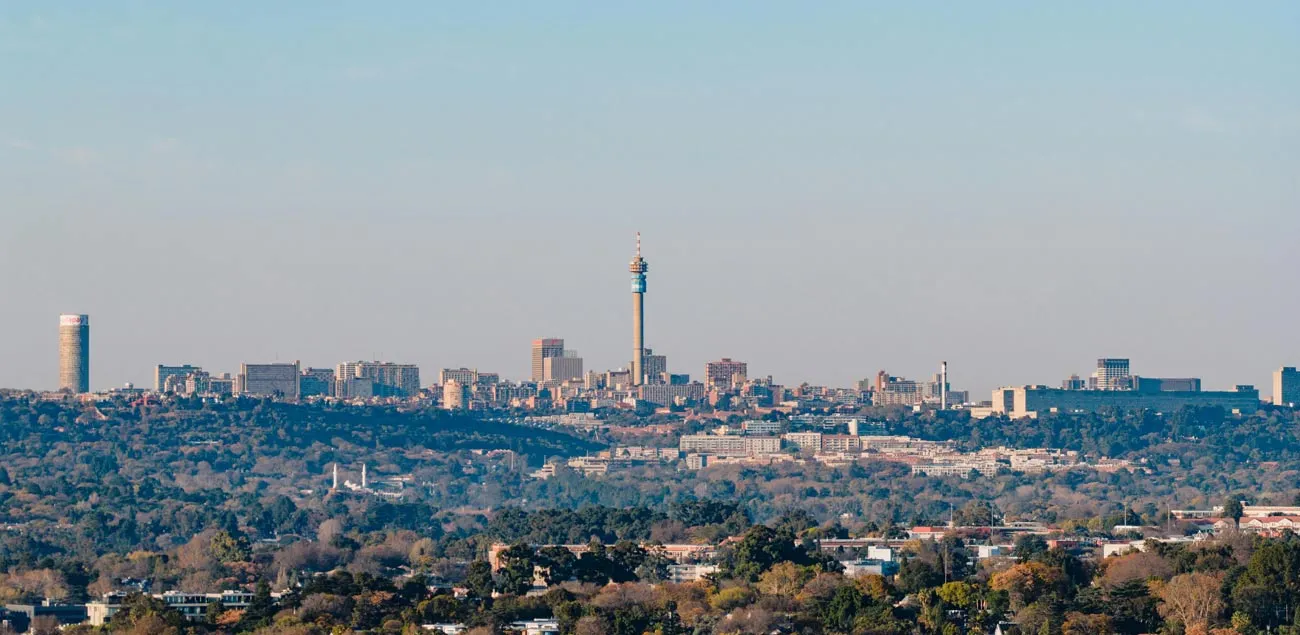
Understanding Johannesburg Travel Safety
Johannesburg is South Africa’s largest city and economic hub, which naturally concentrates both opportunity and risk. Unlike safari or coastal destinations, safety here is not passive. It requires active decision-making.
Crime exists, but it is not evenly distributed. Tourist exposure is largely tied to movement patterns, location choices, and behaviour. Most travellers who experience problems do so because they move outside structured environments or underestimate how quickly risk can change between areas.
For travellers passing through Johannesburg as part of a safari itinerary, the city is manageable. For those spending time in the city, understanding how it operates is essential.
High-Risk Areas and Crime Patterns
Risk in Johannesburg is highly location-specific.
Areas such as Sandton, Rosebank, and Melrose are structured, monitored, and generally safe for travellers. These areas are designed around business and tourism, with visible security presence and controlled environments.
In contrast, parts of the inner city and certain surrounding districts present significantly higher risk. These areas are not designed for casual movement and should not be explored without local knowledge.
Crime targeting travellers is typically opportunistic:
- phone snatching
- distraction theft
- ATM-related incidents
- vehicle-related targeting
Violent crime is far less common for travellers but can occur if individuals enter high-risk areas or situations.
The key pattern is exposure, not randomness.
Transport and Movement Risks
Transport is the single biggest factor in Johannesburg travel safety.
Most incidents occur during:
- airport transfers
- informal taxi use
- walking between locations
- navigating unfamiliar areas
Using structured, pre-arranged transport significantly reduces risk. Ride-hailing services are widely used but should be booked through official apps only.
Walking, especially at night or between venues, increases exposure. Even in safer areas, distances that appear short can cross into less secure zones.
Travellers should treat Johannesburg as a “point-to-point” city rather than a walkable destination.
Safe Travel Strategies in Johannesburg
Safety in Johannesburg is about control and predictability.
Key strategies include:
- staying in well-known areas such as Sandton or Rosebank
- using hotel-arranged or verified transport
- avoiding informal taxis or street pickups
- limiting night-time movement
- not displaying valuables in public
Planning daily movement in advance reduces decision-making under pressure. Most safe travel experiences in Johannesburg are structured rather than spontaneous.
Travellers who follow these patterns rarely encounter serious issues.
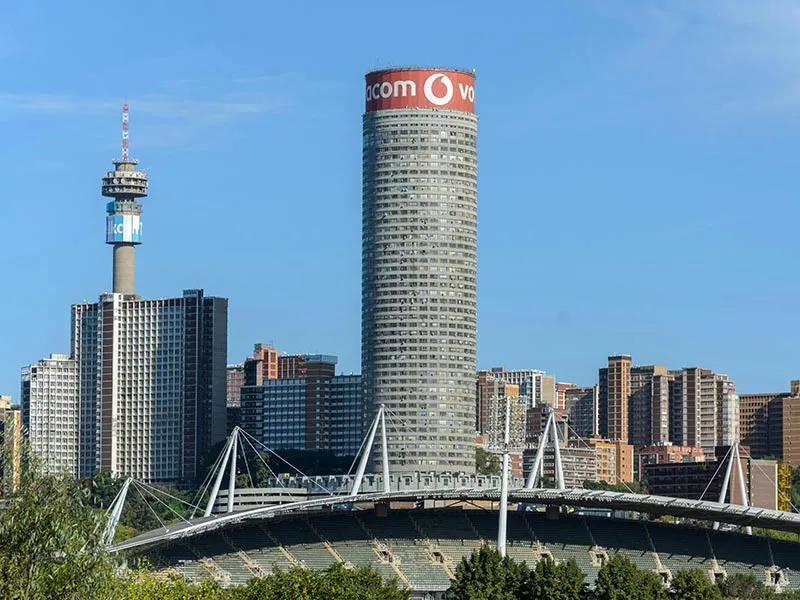
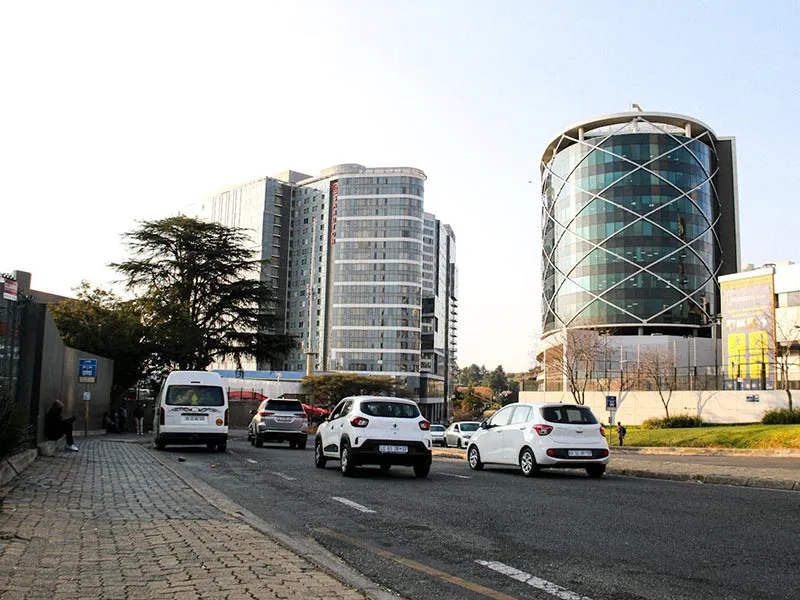
Accommodation and Area Selection
Where you stay in Johannesburg directly impacts your safety profile.
Hotels in Sandton, Rosebank, and Melrose operate within secure zones with controlled access, private security, and proximity to restaurants and shopping.
Choosing accommodation outside these areas increases complexity and risk. Budget decisions can sometimes place travellers in locations that are not suitable for independent movement.
Accommodation should not only be selected for comfort, but for location and security infrastructure.
Emergency Response and Access to Help
Johannesburg has strong private security and healthcare infrastructure, but accessing it quickly depends on knowing how.
Private hospitals offer high-quality care, but travellers may not know:
- where to go
- how to get there
- who to contact in an emergency
Security response in well-managed areas can be fast, but outside those zones, response becomes less predictable.
The challenge is not the availability of help, but accessing it quickly and correctly.
Travel Safety Apps and Urban Emergency Response in Johannesburg
In a city where location and timing directly affect safety, immediate access to coordinated assistance is critical. Travel safety apps such as TravelSafe SOS allow travellers to trigger real-time support, share precise location data, and connect to a control centre that can guide next steps, contact security services, and coordinate medical assistance if required. In Johannesburg, where incidents can escalate quickly, structured response significantly reduces exposure to risk.
Frequently Asked Questions
What should you do if you accidentally drive into a high-risk area in Johannesburg
If you enter an unfamiliar or unsafe area, remain calm and avoid stopping unnecessarily. Keep doors locked and windows closed, and continue driving toward a main road or known safe zone. Do not engage with pedestrians or stop to ask for directions. Navigation apps should be used in advance to avoid incorrect routing rather than reacting in the moment.
Can Uber drivers in Johannesburg be trusted for airport transfers
Ride-hailing services are generally reliable when booked through official apps, but travellers should verify vehicle details before entering. Airport transfers are safer when pre-arranged through hotels or reputable providers. Late-night arrivals or unfamiliar routes increase exposure, so structured transfers are recommended for first-time visitors to reduce uncertainty and risk.
What happens if you are followed after using an ATM in Johannesburg
If you suspect you are being followed, do not return to your accommodation or stop in isolated areas. Drive to a busy, well-lit location such as a shopping centre or hotel. Contact security or request assistance immediately. ATM-related targeting is usually opportunistic, and early awareness allows you to break the pattern before escalation.
Is it safe to walk between restaurants at night in Sandton or Rosebank
Even in safer areas, walking at night is not recommended. Distances that appear short can cross into less secure zones, and pedestrian movement increases exposure. Using short-distance transport such as ride-hailing services or hotel shuttles is a safer option, particularly after dark when visibility and awareness are reduced.
How quickly can private security respond in Johannesburg
In areas such as Sandton and Rosebank, private security response can be rapid due to concentrated infrastructure and monitoring. However, response times vary depending on exact location and time of day. Travellers should not rely solely on response speed and should prioritise prevention through controlled movement and planning.
What should you do if your phone is stolen in Johannesburg
If your phone is taken, avoid confrontation and prioritise personal safety. Move to a secure location immediately. Use another device to disable tracking and access sensitive accounts. Report the incident to your accommodation or local authorities. Having backup contact details and emergency access options significantly improves your ability to respond quickly.
How do travellers get help if they don’t know local emergency numbers
Travellers often struggle to access the correct emergency services quickly. Instead of relying on local numbers, having a centralised response system ensures immediate support. TravelSafe SOS provides a single activation point, allowing coordination of assistance without needing to navigate unfamiliar systems during a high-stress situation.
Can you safely stop on the side of the road if your car breaks down
Stopping in isolated areas increases exposure. If possible, continue driving to a populated or well-lit location before stopping. If the vehicle cannot move, remain inside with doors locked and call for assistance. Roadside incidents become higher risk when travellers are visible and stationary in low-traffic areas.