
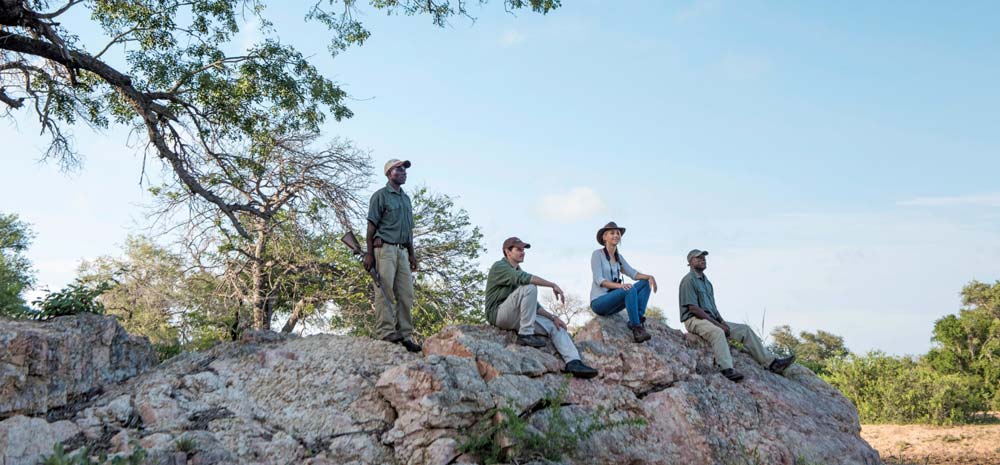
Understanding Safari Safety in Kruger National Park
Kruger National Park, in South Africa, is not a dangerous destination in the conventional sense, but it is an unforgiving environment if rules are ignored.
Unlike cities, risk here is environmental. You are operating in a wildlife ecosystem where animals move freely and unpredictably. Safety is achieved through structure:
- controlled access
- designated roads
- guided activities
- strict behavioural rules
Travellers are rarely exposed to danger unless they break these systems.
The reality is simple: Kruger is safe because of discipline, not because risk is absent.
Wildlife Risks and Behaviour Rules
Wildlife is the most obvious risk, but also the most controlled.
Dangerous animals include:
- lions
- elephants
- buffalo
- hippos
- crocodiles
Incidents occur almost exclusively when:
- travellers exit vehicles in undesignated areas
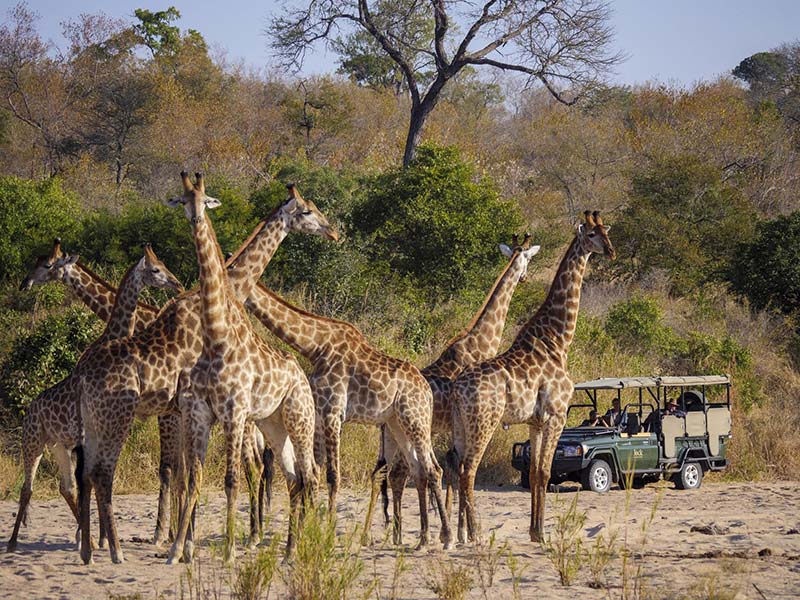
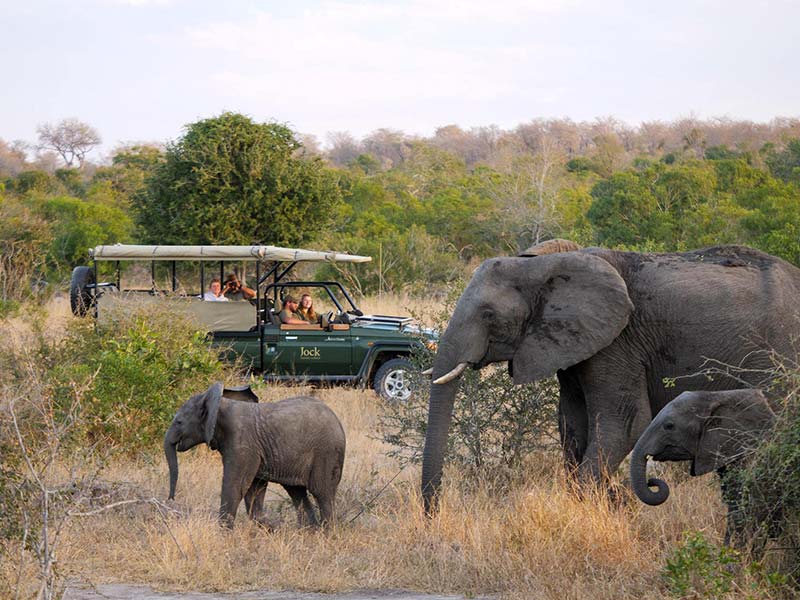
- vehicles approach animals too closely
- instructions from guides are ignored
Animals in Kruger are not aggressive without reason. They react to proximity, noise, and perceived threat.
Safe safari behaviour is non-negotiable:
- remain inside vehicles unless in designated zones
- keep distance from animals
- follow guide instructions at all times
The system works because it is respected.
Guided Safari vs Self-Drive Safety
Kruger allows both guided safaris and self-drive experiences, but the risk profile differs.
Guided safaris:
- led by trained professionals
- better wildlife awareness
- controlled decision-making
- lower overall risk
Self-drive safaris:
- more freedom
- greater reliance on personal judgement
- higher exposure if rules are misunderstood
Most incidents in Kruger involve self-drive visitors making poor decisions under pressure or curiosity.
For first-time travellers, guided safaris provide a significantly safer experience.
Medical Risk and Remote Location Challenges
The less obvious risk in Kruger is medical response time.
Distances are large. Facilities inside the park are limited to basic support. Serious medical issues require:
- evacuation by road or air
- transfer to hospitals outside the park
Common medical concerns include:
- dehydration
- heat exposure
- underlying conditions escalating
- injuries during activities
The challenge is not care quality, but time to access it.
This is where safari safety differs most from urban travel.
Accommodation and Camp Safety
Rest camps and private lodges are structured environments designed for safety.
Key features include:
- fenced perimeters (in many camps)
- controlled access points
- trained staff and protocols
However, wildlife can still move through certain areas, particularly in unfenced camps.
Travellers should:
- avoid walking unaccompanied at night
- follow lodge guidelines strictly
- remain aware of surroundings at all times
Comfort does not remove environmental risk.
Emergency Response in Kruger
Emergency response in Kruger is coordinated, but not immediate in the way urban travellers expect.
In serious situations:
- lodge or ranger teams conduct initial assessment
- evacuation is arranged
- transfer is coordinated to external facilities
Response depends on:
- exact location
- time of day
- accessibility
Delays are not uncommon because of distance.
The system works, but it requires coordination rather than speed alone.
Travel Safety Apps and Emergency Coordination in Safari Areas
In remote safari environments where distance and coordination define outcomes, having immediate access to structured support is critical. TravelSafe SOS allows travellers to trigger a response that connects them to a control centre capable of coordinating with lodges, medical teams, and evacuation providers. In Kruger, where advanced care may require transfer outside the park, this reduces delays and ensures faster, more organised response when it matters most.
Frequently Asked Questions
What happens if a wild animal approaches your vehicle in Kruger
If an animal approaches your vehicle, remain completely still and quiet. Do not attempt to drive away suddenly unless necessary, as this can trigger a reaction. Animals often move past vehicles without incident if they are not disturbed. The safest approach is patience and maintaining distance without escalating the situation.
Is it dangerous to get out of your car in Kruger National Parkut escalating the situation.
Leaving your vehicle outside designated areas is one of the most common causes of serious incidents. Even if no animals are visible, predators and other wildlife may be nearby. Remaining inside the vehicle is a core safety rule and should never be ignored, regardless of how safe the environment appears at the time.
Can you safely drive in Kruger at night
Night driving is restricted in Kruger for safety reasons. Visibility is reduced, wildlife movement increases, and response to unexpected situations becomes more difficult. Travellers must return to camps before gate closing times. Driving outside permitted hours significantly increases risk and is not allowed within park regulations.
What should you do if your car breaks down in Kruger
If your vehicle breaks down, remain inside with doors locked and wait for assistance. Do not attempt to walk for help, as wildlife may be present even if not visible. Use emergency contacts provided by the park or alert passing vehicles while staying inside. Visibility and patience are key to safe resolution.
Are children safe on safari in Kruger
Children are safe on safari when supervised and when rules are followed strictly. Lodges often have age guidelines for certain activities. Parents must ensure children remain inside vehicles and do not move freely in wildlife areas. Most risks arise from curiosity or lack of awareness rather than inherent danger.
How far are hospitals from Kruger National Park
Advanced medical facilities are located outside the park and may require significant travel time depending on your location. In serious cases, evacuation by air or road is arranged. Travellers should understand that access to care is not immediate and depends on coordination and transport availability.
What is the biggest safety mistake travellers make in Kruger
The most common mistake is underestimating wildlife because animals appear calm or distant. Approaching too closely, exiting vehicles, or ignoring guidelines increases risk significantly. Kruger is safe when rules are followed, but unforgiving when they are not respected.
Do safari lodges protect guests from wildlife completely
Lodges provide structured safety through design and protocols, but they do not eliminate wildlife presence entirely. In some areas, animals can still move through or near camps. Guests must follow lodge instructions, especially at night, and remain aware that they are in an active wildlife environment.