
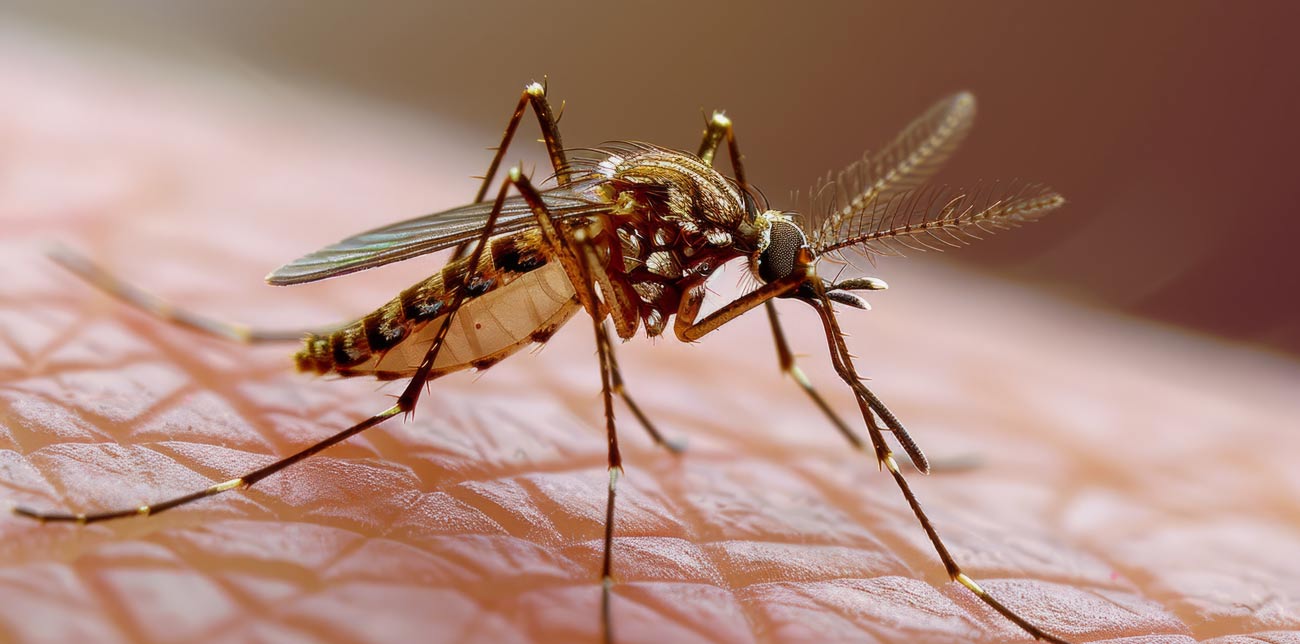
Understanding Malaria Risk in South Africa
Malaria risk in South Africa is limited, location-specific, and highly manageable with proper planning. Unlike many African destinations, malaria is not widespread across the country and is confined to specific regions in the northeast.
For most travellers, this means malaria is not a general concern but a targeted consideration linked to safari travel. Major destinations such as Cape Town, the Garden Route, and most urban centres are completely malaria-free.
The key is understanding where malaria exists and how it fits into your itinerary. Travellers combining a safari in Kruger National Park with coastal or city travel experience both malaria-risk and malaria-free environments within the same trip.
This geographic distinction is what makes malaria risk in South Africa easier to manage than in many other African countries.
Where Malaria Risk Exists in South Africa
Malaria is concentrated in the northeastern regions of the country.
The main risk areas include:
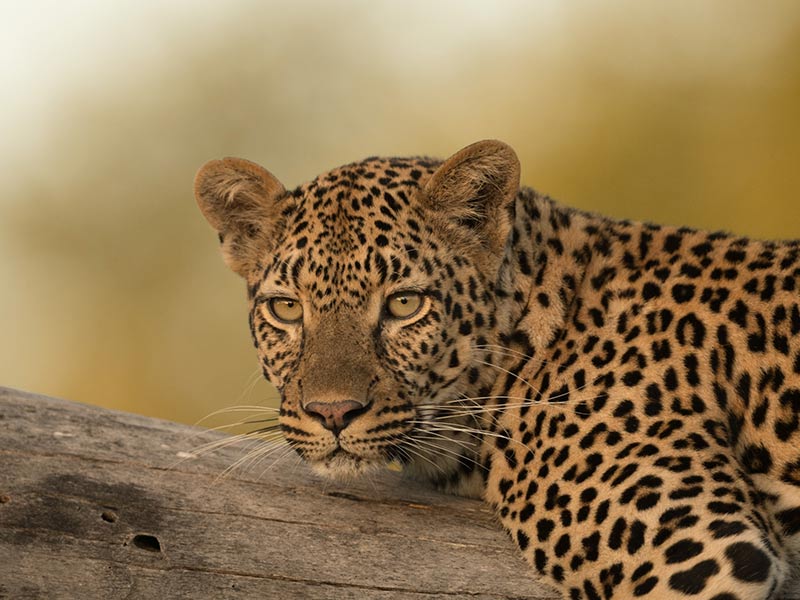
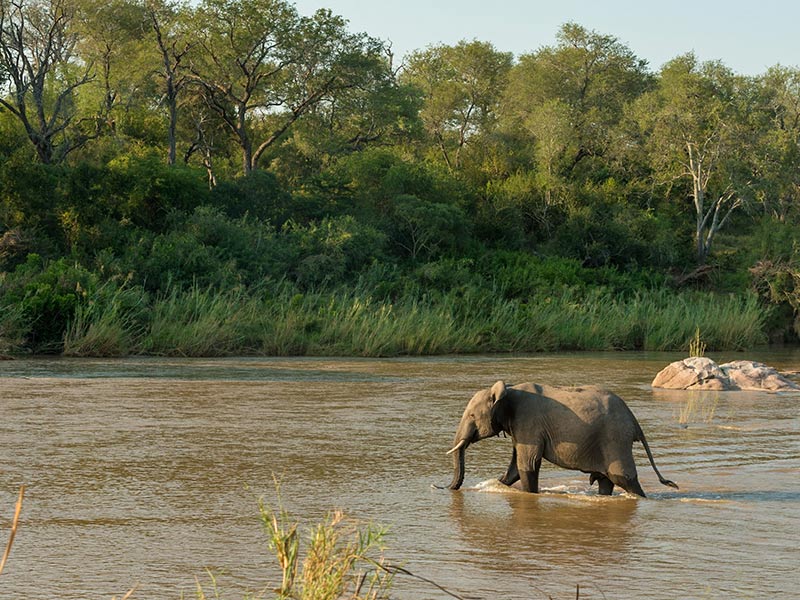
Kruger National Park and surrounding private reserves
low-lying areas of Limpopo Province
parts of Mpumalanga Province
border regions near Mozambique and Zimbabwe
These areas are among South Africa’s most popular safari destinations.
Even within these regions, malaria risk is generally considered low to moderate compared to other parts of Africa. However, exposure still exists, particularly during warmer and wetter months.
Travellers visiting these areas should plan for prevention rather than assume risk is negligible.
Malaria-Free Areas and Why This Matters
A defining advantage of South Africa is the large number of malaria-free destinations.
These include:
Cape Town and the Western Cape
the Garden Route
Johannesburg and Pretoria
the Eastern Cape safari reserves
the Drakensberg region
This allows travellers to design itineraries that either avoid malaria entirely or limit exposure to a specific portion of the trip.
For example, a traveller may spend time in Cape Town and the Garden Route before visiting Kruger. Only the safari portion introduces malaria risk.
This level of control is unique and should be clearly understood when planning travel.
When Malaria Risk Increases
Malaria transmission in South Africa is seasonal and influenced by climate conditions.
Risk increases during the summer months, particularly between October and April, when temperatures are higher and rainfall creates ideal mosquito breeding conditions.
After heavy rains, standing water leads to increased mosquito activity, which raises the likelihood of transmission.
During the cooler winter months, risk decreases significantly but does not disappear entirely in affected regions.
Seasonality helps travellers plan, but it should not replace consistent prevention.
How Travellers Are Exposed in Safari Areas
Malaria exposure typically occurs during evening and night hours when mosquitoes are most active.
The highest-risk situations include:
time spent outdoors at dusk
accommodation without proper screening
inconsistent use of repellent
extended stays in bush environments
Most safari lodges are designed to reduce exposure through screened rooms, air conditioning, and controlled environments. However, these measures reduce risk, they do not eliminate it.
Personal behaviour remains the most important factor.
Prevention Strategies That Work
Malaria prevention in South Africa is straightforward and highly effective when applied correctly.
Travellers should consult a healthcare provider before travel to determine whether prophylactic medication is recommended based on their itinerary.
Practical measures include:
using insect repellent
wearing long sleeves and trousers in the evening
sleeping in screened or air-conditioned rooms
using mosquito nets where necessary
Because risk is localized, prevention can be targeted to specific parts of the journey rather than applied universally across the entire trip.
Recognising Symptoms Early
Malaria symptoms can develop during travel or after returning home.
Common signs include:
fever
chills
headache
fatigue
muscle aches
These symptoms often resemble flu, which leads to delays in diagnosis.
The critical factor is timing. Any flu-like symptoms following travel to a malaria-risk area should be treated as urgent and assessed immediately.
Early detection makes malaria highly treatable. Delays increase risk significantly.
Testing, Treatment and Medical Access
South Africa has one of the strongest healthcare systems on the continent, particularly in private facilities.
Malaria can be diagnosed quickly through rapid tests or blood analysis and treated effectively when identified early.
Major cities such as Johannesburg and Pretoria provide excellent medical care, and access to treatment is reliable.
The challenge arises when travellers are in remote safari areas and need to access care quickly.
In these cases, coordination becomes more important than availability.
Emergency Response in Remote Safari Areas
In safari regions such as Kruger, advanced medical care is not always immediately available on site.
Serious cases may require:
initial assessment at lodge level
transfer by road or air
treatment in urban medical facilities
Timing is critical. The speed at which a situation is assessed and escalated determines how effectively it is managed.
This is where many travellers underestimate risk, not in exposure, but in response.
Why Medical Coordination Matters More Than Risk
Malaria in South Africa is manageable. The real issue is how quickly it is handled if symptoms appear.
Travellers moving between remote safari areas and cities may not know where to go, who to contact, or how to escalate a situation quickly.
TravelSafe SOS provides a centralized emergency response system that manages this process.
From the moment symptoms are reported, the control centre can coordinate medical assessment, arrange transport if required, and ensure the traveller reaches appropriate care quickly.
This removes uncertainty and reduces delays, which is critical in time-sensitive medical situations.
Malaria Risk South Africa in Context
Malaria risk in South Africa is low, localized, and highly controllable.
Millions of travellers visit the country each year, including safari destinations, without serious health issues. This is due to effective prevention, strong healthcare systems, and clear geographic risk boundaries.
The key is understanding where risk exists and planning accordingly.
For travellers who prepare properly, malaria does not limit travel in South Africa. It becomes a manageable part of the itinerary.
Frequently Asked Questions
Is malaria a risk in South Africa
Malaria is a risk in specific northeastern regions of South Africa, particularly in and around Kruger National Park, parts of Limpopo, and Mpumalanga near the Mozambique and Zimbabwe borders. The majority of the country, including Cape Town, the Garden Route, and major cities, is completely malaria-free. This makes South Africa one of the easiest African destinations for travellers to manage malaria exposure through itinerary planning.
Do I need malaria tablets for Kruger National Park
Malaria prevention is often recommended for travellers visiting Kruger National Park and surrounding private reserves, particularly during the summer months. A healthcare provider can advise on the most appropriate medication based on your travel dates, length of stay, and personal health profile. Many travellers choose prophylaxis as an added precaution, especially when spending multiple nights in malaria-risk areas.
When is malaria risk highest in South Africa
Malaria risk is highest between October and April, during the warmer summer months when rainfall increases mosquito breeding activity. After heavy rains, standing water creates ideal conditions for mosquito populations to grow. While risk decreases during the cooler winter months, it does not disappear entirely in affected regions, so basic precautions should still be followed.
Can malaria be treated in South Africa
Yes, malaria can be treated effectively in South Africa, particularly in private healthcare facilities which are among the best on the continent. Rapid diagnostic testing and treatment are widely available in major cities such as Johannesburg and Pretoria. The key factor is early diagnosis. Travellers who seek medical attention quickly after symptoms appear typically recover well without complications.
What are the first signs of malaria
Early symptoms of malaria include fever, chills, headaches, fatigue, and muscle aches. These symptoms often resemble flu, which can lead to delays in diagnosis. Symptoms may develop during travel or several days to weeks after returning home. Any flu-like illness following a visit to a malaria-risk area such as Kruger should be treated as urgent and assessed by a medical professional immediately.
How can I avoid malaria when travelling in South Africa
Malaria prevention involves a combination of medication and practical precautions. Travellers should consult a healthcare provider before travel, use insect repellent regularly, wear long sleeves and trousers in the evening, and stay in screened or air-conditioned accommodation. Because malaria risk is localized, these measures can be focused specifically on the safari portion of the trip.
Do I need malaria tablets for Cape Town or the Garden Route
No, malaria tablets are not required for Cape Town, the Garden Route, or most urban areas in South Africa. These regions are completely malaria-free. Travellers only need to consider prevention if their itinerary includes northeastern safari areas such as Kruger National Park. This distinction allows for flexible travel planning without unnecessary medication.
Is South Africa safer for malaria than other African countries
Yes, South Africa is generally considered lower risk for malaria compared to many other African destinations. This is because malaria is limited to specific regions rather than being widespread. Travellers have the option to avoid malaria areas entirely or limit exposure to a short portion of their trip, which is not always possible in countries where malaria is more prevalent.
How quickly do malaria symptoms appear after a safari
Malaria symptoms can appear from around 7 days after exposure up to several weeks later. This means travellers may only begin to feel unwell after returning home. It is important to inform a doctor of any recent travel to malaria-risk areas if symptoms develop, even if the illness appears mild at first. Early diagnosis significantly improves treatment outcomes.
What happens if you get malaria while on safari in South Africa
If symptoms develop while on safari, lodges will usually provide initial assessment and assist with medical referral. In more serious cases, travellers may be transferred to a private hospital in a nearby city. South Africa’s strong healthcare infrastructure means that treatment is accessible, but timing remains critical. Quick escalation and coordinated response ensure the best outcomes.
Can I avoid malaria completely in South Africa
Yes, it is possible to avoid malaria entirely by choosing destinations outside the northeastern risk zones. Travellers can visit Cape Town, the Garden Route, and even malaria-free safari reserves in the Eastern Cape without any exposure. This flexibility is one of South Africa’s key advantages as a travel destination.