

Understanding Africa Travel Emergency Response for Modern Travellers
Africa travel emergency response is one of the least understood but most critical aspects of travelling across Southern and East Africa. While most trips are smooth and incident free, emergencies do occur. These may include medical crises, vehicle accidents, security incidents, lost passports, natural disasters, or becoming stranded in remote areas with limited connectivity. In many African destinations, particularly safari regions, islands, border zones, and rural corridors, emergency response does not follow the same centralized systems travellers expect in Europe or the USA.
When something goes wrong, the speed and coordination of response matters more than the incident itself. Delays, confusion, or contacting the wrong authority can significantly increase risk. Africa travel emergency response relies on rapid assessment, accurate location data, and the ability to activate the correct responders immediately, whether medical, security, logistical, or diplomatic.
Learn how real-time travel emergency support in Africa connects you directly to a 24 hour control center when every minute matters.
How TravelSafe SOS Manages and Mitigates Travel Emergencies in Africa
TravelSafe SOS operates as an Africa-focused emergency response service that bridges the gap between travellers and real-world help. When an incident occurs, the platform connects the traveller to a 24/7 control center that assesses the situation in real time, confirms location, and determines the appropriate response pathway. This may include medical providers, private security, evacuation services, local authorities, or embassy coordination.
Unlike fragmented emergency systems, TravelSafe SOS acts as a single coordination point. Family members, insurers, travel agents, and next of kin can be alerted simultaneously. The service is designed specifically for African travel conditions, including low signal areas, cross-border movement, and remote environments. This structured response model significantly reduces exposure to risk and removes uncertainty during critical moments.

What Happens When a Tourist Emergency Occurs in Africa
Tourist emergencies typically unfold in stages, and understanding this sequence helps explain why dedicated emergency response services are essential.
The first stage is incident recognition. This may involve sudden illness, injury, theft, vehicle breakdown, wildlife encounters, or security threats. Travellers often underestimate how quickly stress and disorientation can set in, particularly in unfamiliar environments.
The second stage is communication. In many parts of Africa, emergency numbers vary by country, mobile coverage is inconsistent, and language barriers may exist. Attempting to locate help independently can cause delays.
The third stage is response coordination. This is where Africa travel emergency response systems either succeed or fail. Identifying the nearest capable responder, confirming access routes, arranging permits, or coordinating evacuation requires local knowledge and established networks.
The final stage is resolution and follow-up. This includes medical stabilization, safe relocation, documentation, insurance coordination, and ensuring the traveller is no longer exposed to ongoing risk.
Medical and Security Emergencies Faced by Travellers
Medical emergencies are the most common incidents affecting travellers in Africa. These include dehydration, infections, injuries, allergic reactions, and chronic condition flare-ups. In safari regions and islands, access to advanced medical facilities may require road or air evacuation.
Security incidents, while less frequent, require rapid and calm handling. These may involve theft, carjacking, civil unrest, or being in the wrong area at the wrong time. Tourists often lack the situational awareness to judge evolving risk accurately.
In both scenarios, the key factor is not panic, but structured response. Medical and security emergency support must be coordinated by professionals who understand local conditions, hospital capabilities, and safe movement routes.
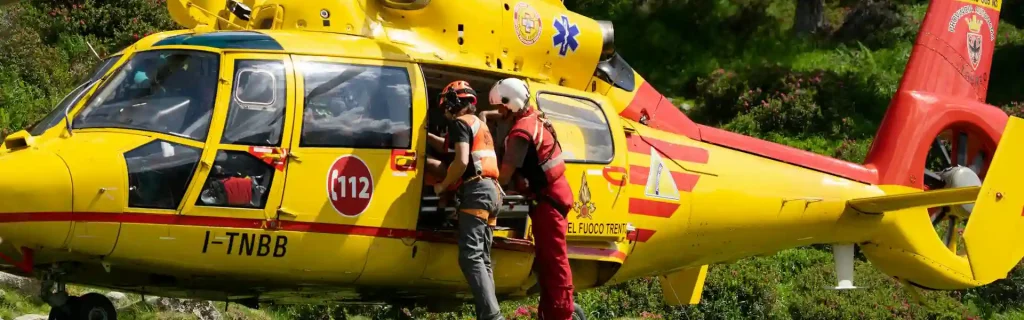
Emergency Response in Remote, Safari, and Island Destinations
Remote travel is one of Africa’s greatest attractions, but it also presents the highest emergency response complexity. Safari parks, conservation areas, islands, and wilderness lodges often sit hours from the nearest hospital or police station.
Emergency support for remote travel requires advance planning, location accuracy, and relationships with air charter services, rangers, and private responders. In these environments, response time directly affects outcomes.
Safari emergency response services must account for wildlife risks, terrain limitations, weather conditions, and park regulations. Without coordinated systems, even minor incidents can escalate.
Why Response Speed Matters More Than Insurance
Many travellers assume travel insurance alone provides sufficient protection. Insurance is important, but it does not provide real-time emergency response. Policies operate after the incident, focusing on claims and reimbursement.
Africa travel emergency response focuses on immediate action. Speed saves lives, prevents escalation, and minimizes trauma. Rapid assessment and dispatch reduce hospital admission times, improve recovery outcomes, and shorten trip disruption.
Insurance works best when paired with an emergency response service that manages the situation from the first moment onward.

Who Is Involved in an Africa Travel Emergency Response Chain
A typical emergency response chain may involve multiple parties, including medical providers, security teams, evacuation operators, embassies, insurers, tour operators, and family members.
Without coordination, communication breaks down. Conflicting instructions, delayed approvals, or duplicated efforts increase stress and risk. A centralized emergency coordination service ensures all parties receive accurate information and act in alignment.
This integrated approach is especially important for cross-border travel, multi-country itineraries, and extended safaris.
Why Africa Requires a Dedicated Emergency Response Approach
Africa is not a single destination. Each country has different emergency numbers, infrastructure levels, healthcare standards, and security environments. Applying a one-size-fits-all approach does not work.
Africa travel emergency response services must be region-specific, adaptable, and capable of operating across Southern and East Africa seamlessly. Understanding local realities is as important as technology.
TravelSafe SOS and the Future of Traveller Emergency Support in Africa
As travel patterns evolve, travellers are venturing further off the beaten path. Digital connectivity helps, but it does not replace human coordination.
TravelSafe SOS represents a shift toward proactive, service-driven emergency support for travellers. By focusing on response, coordination, and real-world outcomes, it fills a critical gap that traditional travel planning overlooks.

Download the Africa Emergency Response Guide for Travellers
Understanding Africa travel emergency response before you travel is one of the most effective ways to reduce risk. TravelSafe SOS provides structured emergency support across Southern and East Africa, giving travellers confidence that help is available when it matters most.
FAQ's About Africa Travel Emergency Response
What is Africa travel emergency response?
Africa travel emergency response refers to coordinated medical, security, and logistical assistance for travellers facing emergencies while travelling across African countries. It includes incident assessment, responder dispatch, evacuation coordination, and communication with family, insurers, and authorities to ensure the traveller’s safety and resolution of the situation.
Who helps tourists during emergencies in Africa?
Tourist emergencies may involve private medical providers, security teams, park authorities, police, embassies, and evacuation services. A dedicated emergency response service coordinates these parties to avoid delays, miscommunication, and increased risk, especially in remote or unfamiliar locations.
How does emergency response work in safari and remote areas?
In safari and remote areas, emergency response relies on location accuracy, access planning, and specialist responders. This may include ranger support, air evacuation, or long-distance medical transport. Coordination is essential due to limited infrastructure and challenging terrain.
Is travel insurance enough during an emergency in Africa?
Travel insurance is important but does not provide immediate emergency response. It focuses on financial coverage after the incident. Real-time emergency response services manage the situation as it unfolds, reducing risk and improving outcomes before insurance processes begin.
What should I do first if an emergency happens while travelling in Africa?
The first step is to ensure immediate safety and initiate contact with an emergency response service that can assess the situation, confirm your location, and activate appropriate responders. Avoid making multiple uncoordinated calls that can cause confusion and delays.
How can family and travel agents be informed during an emergency?
A structured emergency response system alerts designated contacts, including family members, travel agents, and insurers, in real time. This ensures everyone has accurate information and reduces stress for both the traveller and those at home.