
Why 24/7 Travel Emergency Support Is Critical in Africa
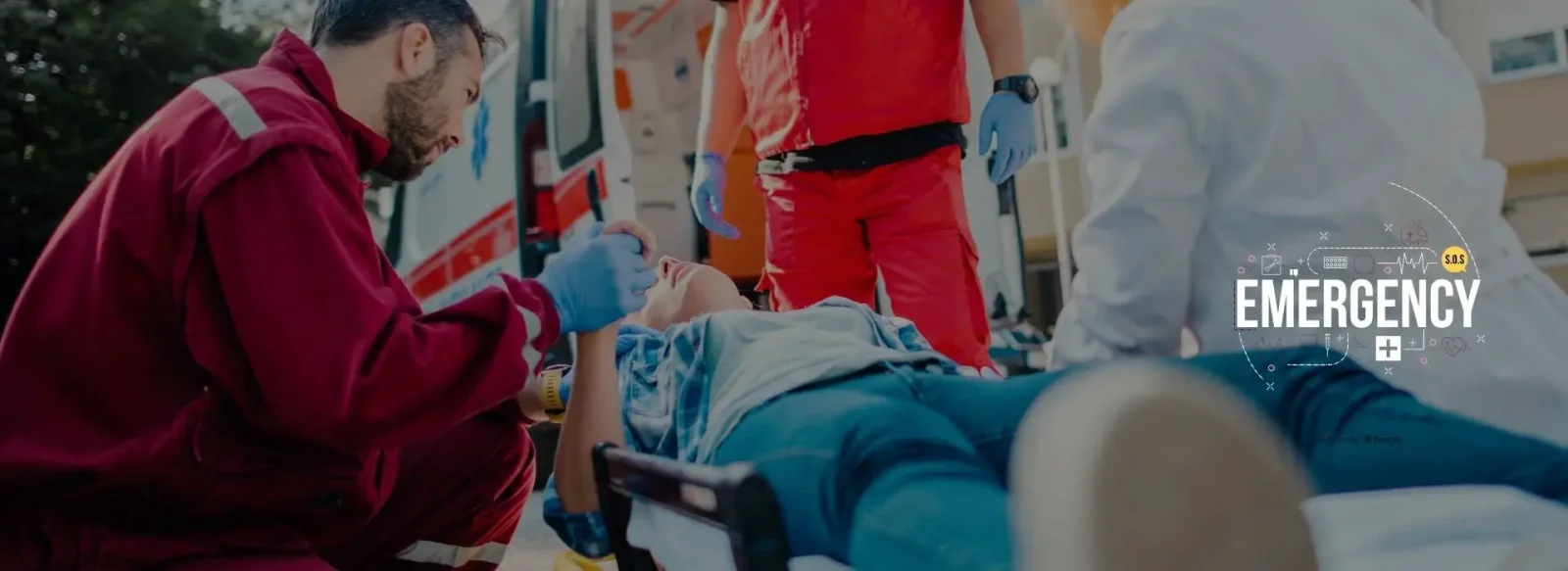
24/7 travel emergency support Africa is essential because emergencies do not follow office hours, travel itineraries, or convenient locations. Medical incidents, security concerns, accidents, and transport disruptions often occur at night, during weekends, or in remote regions where immediate local assistance may be limited. In these moments, delays of even minutes can significantly increase risk and stress for travellers.
Unlike highly centralized emergency systems in some parts of the world, Africa’s response landscape varies widely by country and region. Travellers may not know who to contact, which number to call, or how to explain their location. Continuous, round-the-clock emergency support ensures that help is available whenever and wherever an incident occurs.
How TravelSafe SOS Delivers 24/7 Emergency Support for Travellers
TravelSafe SOS provides continuous emergency support through a dedicated control center that operates day and night. When an incident is triggered, trained operators immediately assess the situation, confirm the traveller’s location, and activate the appropriate response pathway. This may include medical assistance, security support, evacuation planning, or logistical coordination.
Because TravelSafe SOS functions as a centralized emergency coordination service, travellers do not need to navigate multiple providers under pressure. Family members, insurers, and travel agents can be informed in real time, ensuring aligned decision-making and reducing delays that often occur outside normal business hours.
Why Response Time Directly Affects Outcomes
In travel emergencies, response time often matters more than the severity of the incident itself. A minor medical issue can escalate if treatment is delayed, while a manageable security situation can worsen without timely guidance and relocation.
Rapid response enables early intervention, better medical outcomes, and safer resolution of incidents. In Africa, where distances are long and infrastructure varies, having immediate access to coordinated emergency support significantly reduces exposure to additional risk.

The Limitations of Relying on Travel Insurance Alone
Many travellers assume that travel insurance provides sufficient protection during emergencies. While insurance is important, it is not designed to manage real-time incidents. Insurance providers focus on authorization, coverage, and reimbursement, which often occur after the situation has stabilized.
24/7 travel emergency support focuses on the incident itself. It ensures immediate assessment, response coordination, and practical problem solving while insurance processes run in parallel. Without real-time support, travellers may face critical delays during the most important phase of an emergency.
After-Hours Emergencies and Increased Risk
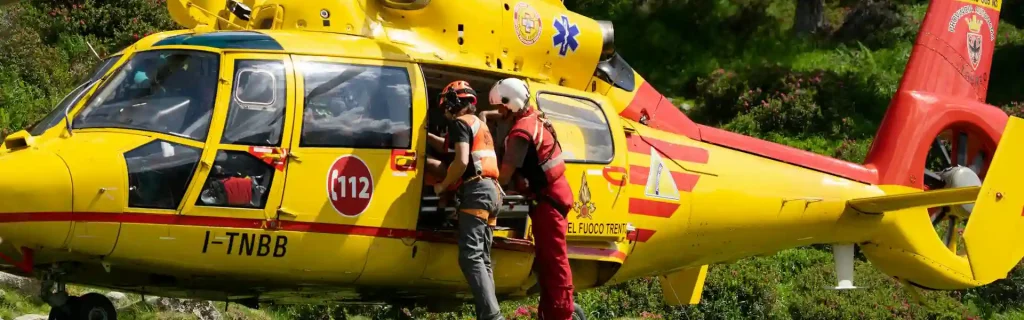
Emergencies that occur at night or outside office hours present additional challenges. Hospitals may operate with reduced staff, transport options may be limited, and embassies are typically closed.
24/7 emergency support ensures that travellers are not left to manage these challenges alone. Immediate access to knowledgeable operators helps travellers make informed decisions, avoid unsafe actions, and reach appropriate assistance even during high-risk time windows.
24/7 Support in Remote, Safari, and Cross-Border Travel
Remote travel, safari itineraries, and multi-country journeys increase the complexity of emergency response. Travellers may cross borders, change networks, or enter regions with limited infrastructure.
Continuous emergency support ensures seamless assistance regardless of location or time zone. This is particularly important for safari emergencies, island travel, and overland routes where delays can have serious consequences.

Why Continuous Emergency Support Provides Peace of Mind
Knowing that help is available at any hour significantly reduces anxiety for travellers and their families. Continuous support allows travellers to explore Africa with confidence, understanding that professional assistance is always accessible.
For travel agents and tour operators, 24/7 emergency support strengthens duty of care and reassures clients that their safety is actively managed throughout the journey.
Download the 24/7 Africa Travel Emergency Support Guide
Understanding how 24/7 travel emergency support works in Africa helps travellers prepare realistically for unexpected situations. TravelSafe SOS provides continuous emergency coordination across Southern and East Africa, ensuring travellers are never without support when it matters most.
FAQs About 24/7 Travel Emergency Support in Africa
What does 24/7 travel emergency support in Africa mean?
It means travellers have continuous access to emergency coordination services at any time of day or night. Support includes incident assessment, responder coordination, communication with relevant parties, and guidance until the situation is resolved.
Why is 24/7 emergency support important for African travel?
Emergencies often occur outside office hours and in remote locations. Without round-the-clock support, travellers may face delays, confusion, and increased risk during critical moments.
Is 24/7 emergency support different from local emergency numbers?
Yes. Local emergency numbers vary by country and may be difficult to access or navigate. A centralized emergency support service provides consistent assistance regardless of location.
How does 24/7 support help during medical emergencies?
Immediate access to medical coordination enables faster triage, appropriate referrals, and timely evacuation planning, improving outcomes and reducing complications.
Does travel insurance provide 24/7 emergency response?
Insurance providers offer claims and authorization services, but they do not manage incidents in real time. 24/7 emergency support focuses on immediate response and coordination.
Who is notified during a 24/7 travel emergency?
Emergency support systems can notify designated contacts such as family members, travel agents, and insurers, ensuring transparent communication throughout the incident.