

The Complete Traveler’s Guide to Cross-Border Travel Safety in Africa (2026 Edition)
Exploring Africa across multiple countries is one of the most exhilarating ways to experience the continent. Whether you are moving from Namibia into Botswana, South Africa into Mozambique, Kenya into Tanzania, or Zambia into Zimbabwe, crossing borders allows you to experience multiple cultures, ecosystems, safari regions, and coastlines in a single journey.
But multi-country itineraries also introduce unique risks. Visa rules vary, border queues can be unpredictable, regional road quality differs, flights may shift with limited notice, and emergencies become more complex when they occur far from home. To navigate Africa confidently, travellers must understand how cross-border travel works, what to expect, and how to prepare for complications before they arise.
This guide provides a structured approach to cross-border travel safety Africa, giving you everything you need for a secure and stress-free multi-country itinerary in 2026.
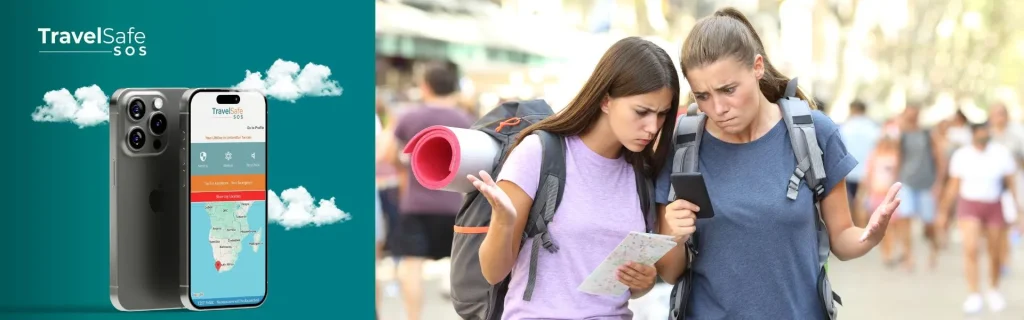
How TravelSafe SOS Supports Cross-Border Safety in Africa
Travelling across borders means you are constantly entering new regulations, new health systems, new transport routes, and new levels of infrastructure. TravelSafe SOS keeps your safety consistent wherever you go.
The app offers support and guidance in almost any situation.
- one-tap SOS support in every country covered in Southern & East Africa
- immediate communication with a 24/7 control centre
- GPS-based location sharing across borders
- instant alerts to operators, insurers, and next of kin
- medical coordination with verified clinics in each country
- overdue arrival monitoring during long transfers
- cross-border escalation pathways for complex emergencies
This means even as you travel between destinations with completely different rules and conditions, your emergency support never changes.
Understanding Cross-Border Travel in Africa
African borders vary widely. Some crossings are highly efficient, organised, and staffed by modern immigration systems. Others can be slow, informal, or affected by local events.
Travellers may encounter:
- queues due to holiday travel or local truck movements
- system outages affecting passport or visa processing
- cash-only fees at certain border posts
- temporary closures due to storms or security concerns
- inconsistent signage and directions
- delays caused by police checks or local transport strikes
Like any global destination, urban awareness matters, but the idea that Africa is universally unsafe is outdated. Millions of solo women travel here every year without incident.
Knowing what to expect helps you plan buffer times and avoid stress.

Visa and Entry Requirements for Multi-Country Itineraries
Each African country sets its own visa rules. Some offer e-visas, others require border-issued visas, and some require pre-approval.
Before travelling, check:
- whether your passport meets the 6-month validity rule
- visa fees for each country
- whether you need multiple-entry permits
- yellow fever or other vaccine requirements
- rules for minors travelling with one parent
- whether photographic equipment requires permits (rare but possible)
Improper documents are the most common cause of border delays. Always store all your essential travel documents on the app. You can access them offline when needed.
Cross-Border Road Travel Safety in Africa
Road conditions differ dramatically across regions. Some highways are excellent; others require 4×4 vehicles or careful navigation.
To travel safely:
- avoid driving at night
- keep fuel tanks above half
- carry both cash and cards
- avoid unmarked shortcuts
- confirm border operating hours
- save offline maps before departing
- use reputable car-rental companies
- check weather conditions daily
Crossing remote borders—like Namibia–Botswana or Tanzania–Malawi—requires additional caution because distances between towns can be long.
Cross-Border Flight Safety and Delays
Flight schedules in Africa are improving, but regional routes can still shift due to:
- weather
- aircraft availability
- visibility restrictions
- runway maintenance
- seasonal demand changes
To reduce stress:
- avoid same-day safari connections
- allow flexible planning for internal flights
- reconfirm flight times 24–48 hours before departure
- keep emergency accommodation contacts handy
Multi-country travellers should also keep digital and printed copies of all bookings.
Border Delays and How to Manage Them
While many borders run smoothly, others may experience long queues, especially:
- during holidays
- after system outages
- when scanning equipment fails
- when understaffed
- when truck lines stretch for kilometres
Travellers can reduce delays by:
- carrying printed copies of all documents
- having small change for local fees
- separating valuables from documents
- staying inside designated tourist lanes
- avoiding photography at border posts
Patience reduces stress during unavoidable queues.

Medical and Emergency Considerations Across Borders
Medical systems differ significantly from country to country. A traveller moving from a well-equipped region to a remote area may be unaware of the sudden reduction in available care.
Key considerations:
- private hospitals are often only found in major cities
- rural areas may lack advanced diagnostics
- ambulance networks vary widely
- some crossings are hours away from medical facilities
- multi-country travel complicates insurance processes
TravelSafe SOS resolves this by guiding travellers to verified clinics, initiating medical coordination, and providing consistent emergency support across borders
Crossing Borders on Safari or During Wilderness Travel
Many safari itineraries involve cross-border movement between parks or reserves, such as:
• Victoria Falls → Chobe → Okavango Delta
• Masai Mara → Serengeti
• Kruger → Mozambique
• South Luangwa → Lower Zambezi
In wilderness regions, borders may be:
• remote
• affected by weather
• accessed via 4×4 tracks
• controlled by rangers rather than formal posts
Travellers should always follow operator guidelines and avoid attempting cross-border self-drives without expert advice.
Travel Across Africa with Confidence
Cross-border travel in Africa doesn’t need to be stressful. With proper planning, awareness, and a consistent emergency support system, multi-country journeys become safe, smooth, and deeply rewarding. TravelSafe SOS gives travellers the safety net they need—fast response, real-time coordination, and trusted guidance across Southern & East Africa’s borders.
Download TravelSafe SOS Before Visiting Multiple Countries
Cross-border travel introduces unpredictable variables. TravelSafe SOS ensures your safety support remains constant even as you move through regions with different infrastructure, weather conditions, or emergency services.


FAQS Cross Border Travel Safety Africa
How can I stay safe when crossing borders in Africa?
Plan ahead by checking visa requirements, carrying printed documents, booking reputable transport, avoiding night travel, and allowing buffer time for delays. A cross-border travel safety Africa strategy includes using TravelSafe SOS for emergency coordination, especially when moving through regions with variable medical access and connectivity.
What documents do I need for multi-country travel in Africa?
You will typically need a valid passport (six months minimum), visas for each destination, proof of accommodation, onward travel tickets, vaccination certificates, and occasionally proof of funds. Printed copies help if digital systems fail at border posts.
Are African land borders safe for tourists?
Yes, most are safe, especially well-trafficked crossings like Kazungula, Beitbridge, Namanga, or Oshikango. Risks mainly involve long queues or confusion, not crime. Staying aware of belongings, avoiding unofficial helpers, and keeping to designated lanes ensures a smooth process.
How do I manage medical emergencies during cross-border travel?
Medical quality varies, so travellers should have emergency plans. TravelSafe SOS connects you to verified medical facilities, provides GPS location to responders, and notifies insurers and next of kin. This continuity is crucial when moving between countries with different healthcare standards.
Can I self-drive across African borders?
Yes, but preparation is essential. Check vehicle paperwork, border fees, insurance, fuel availability, and weather conditions. Avoid remote crossings without local advice. Self-drivers benefit from offline maps and TravelSafe SOS to manage emergencies in low-signal regions.
What should I do if my flight is delayed during regional travel?
Stay at the airport, contact your airline or operator, and rebook the next available flight. Keep accommodation contacts handy and avoid tight connections. Weather, visibility, and operational constraints contribute to delays across regional routes.
How can TravelSafe SOS help during cross-border travel breakdowns or emergencies?
The app provides one-tap access to a 24/7 control centre, tracks your GPS position across countries, alerts partners instantly, and coordinates responders. Even if your device temporarily loses signal, stored travel details allow the control centre to begin follow-up actions.