
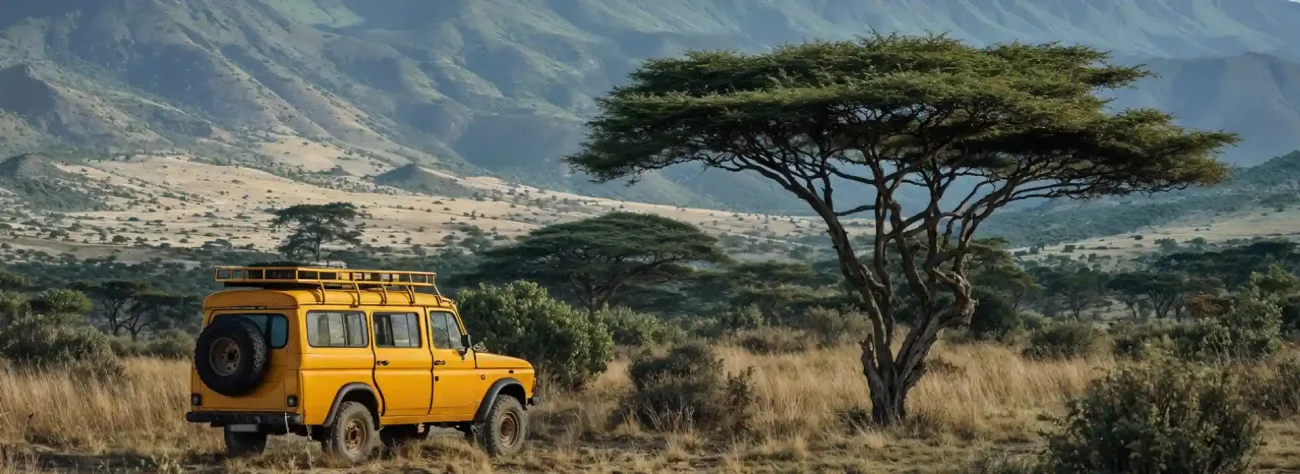
The Hidden Risks of Self-Drive Adventures in Africa
Self-drive travel is one of the most exciting ways to explore Africa. The freedom of an open road, the ability to stop for wildlife sightings, the independence of taking your own route, and the adventure of reaching remote lodges at your own pace make self-driving incredibly appealing. Popular regions like Namibia, Botswana, South Africa, Zimbabwe, and Zambia have seen a major rise in self-drive tourism entering 2026.
But African roads, landscapes, and wildlife present unique challenges that travellers often underestimate. Distances are long, signage may be limited, fuel stations are spaced far apart, and weather conditions can change quickly. Roads can shift from tar to gravel without warning, riverbeds can flood, and wildlife can appear suddenly. Many of these risks are avoidable with preparation—and understanding them is the first step toward a safe journey.
This guide explores the most important safety considerations for self-drive safety Africa, including real-world risks, planning advice, and emergency tools that protect travellers in remote areas.
This is where family travel safety apps Africa 2026 solutions have become essential. These apps are no longer optional tools. They offer real-time emergency coordination for children, parents, teens, and older travelers. Whether a child wanders off at an airport, a grandparent struggles with heat exhaustion, or a family becomes separated during a transfer, a travel safety app provides immediate help when families need it most.
How TravelSafe SOS
Supports Self-Drive Travellers

Self-drive trips require a dependable safety net, especially when travelling through parks, mountain passes, desert regions, or long empty stretches of road. TravelSafe SOS provides essential support for self-drivers by offering:
- 24/7 live human responders
- GPS tracking to pinpoint your exact location
- emergency alerts for overdue arrivals
- dispatch of local responders in medical or security incidents
- coverage across major safari and cross-border routes
- assistance when connectivity returns after offline travel
- verified clinic information for roadside incidents
Self-drivers often travel through low-signal regions, so the app stores travel details and monitors check-ins, triggering follow-up actions if you don’t reach your next destination.
Why Self-Drive Travel Is Growing in Africa
Self-drive trips have become popular because travellers want:
- freedom from fixed itineraries
- cost-effective travel options
- personalised family and group travel
- flexible safari and beach combinations
- access to areas without domestic flights
Countries like Namibia, South Africa, Botswana, and Kenya have developed strong 4×4 rental sectors and improved major highways, making self-drive more accessible.

The Hidden Risks Travellers Often Overlook
Self-driving in Africa is safe for prepared travellers—but serious challenges exist.
Unpredictable Wildlife
Elephants, antelope, cattle, donkeys, and even lions can cross roads without warning, especially at dawn and dusk.
Gravel Roads and Vehicle Control
Loose stone, corrugation, soft sand, and potholes can cause skidding or tire damage.
Weather Hazards
Short storms can flood riverbeds, wash out roads, or reduce visibility to zero.
Night-Time Driving
One of the biggest dangers. Many accidents occur after dark due to wildlife, livestock, and unlit rural roads.
Navigation Issues
GPS may show inaccessible or incorrect routes, especially on unmaintained tracks.
Long Distances Without Services
Fuel, food, and mechanical support may be many hours apart.
Understanding these risks is the foundation of safe self-drive plan

Choosing the Right Vehicle
Vehicle choice directly impacts self-drive safety Africa. Travellers should consider:
- 4×4 vehicles for Botswana, Namibia, Zambia, and remote SA
- high-clearance SUVs at minimum
- two spare tires for gravel or desert routes
- proper recovery equipment (rope, jack, sand tracks)
- rooftop tents for long-range wilderness trips
Never rely on a small sedan for safari regions or desert highways.
Navigation and Route Planning
Navigation errors are a leading cause of travellers getting lost. To minimise risk:
- download offline maps
- verify routes with lodges before travelling
- avoid unmarked tracks
- check weather forecasts for riverbeds
- plan fuel stops based on distance, not hope
- never rely on a single GPS source
Lodges often know which access roads have changed, washed out, or become unsafe.
How to Manage Emergencies on the Road
If you break down, lose signal, or encounter danger:
- remain with your vehicle—it is easier to spot than a person
- use reflective material or hazard lights
- conserve battery power
- attempt contact at intervals
- activate TravelSafe SOS as soon as signal returns
- avoid walking long distances alone
Most search operations in Africa find travellers more quickly when they remain with their vehicle.
Border Crossings and Self-Drive Rules
Self-driving across African borders requires preparation. Travellers should:
- carry vehicle papers and insurance
- check visa requirements
- have printed booking confirmations
- know operating hours of remote borders
- keep passports accessible
- avoid overcrowded border times
Some remote borders have no fuel station—plan ahead. Downloading the TravelSafe SOS app should be one of your first steps in planning.
Family and Group Safety on Self-Drive Routes
Self-drive is popular for families, but parents should:
- use proper child seats
- prevent kids from opening windows near wildlife
- teach children safari safety basics
- bring snacks, water, and entertainment for long drives
- avoid driving during children’s sleeping hours (to prevent distraction)
Groups should designate one navigator and one primary driver to reduce confusion.
Drive Africa with Confidence and Complete Safety
Self-drive travel is one of the most rewarding ways to experience Africa—but only when supported by preparation and reliable safety systems. TravelSafe SOS provides the protection self-drive travellers need, from remote breakdowns to medical issues, navigation errors, and emergencies. Whether you’re crossing deserts, following coastal routes, or exploring wildlife regions, make sure you have trained responders just one tap away.
Download the app and drive Africa with total confidence. Protect yourself by installing TravelSafe SOS on Android or on an iPhone so trained responders can reach you quickly if you get lost, break down, face a medical situation, or encounter danger on the road.
FAQs Cross Border Safety in Africa
Is self-drive travel safe in Africa in 2026?
Yes—if travellers prepare properly, choose suitable vehicles, avoid night driving, and follow local advice. Countries like Namibia, South Africa, Kenya, Botswana, and Zambia have well-established self-drive networks. However, risks increase in remote or low-signal regions, which is why tools like TravelSafe SOS are vital for 2026 travellers who want GPS support and emergency backup.
What type of car is best for self-drive in Africa?
A high-clearance SUV or full 4×4 is recommended, especially for safari regions, gravel roads, and cross-border routes. Many remote areas require two spare tires, strong suspension, recovery gear, and good ground clearance. Sedans are only suitable for limited urban or highway travel in South Africa or Mauritius.
Is night driving safe in Africa?
Generally, no. Wildlife, livestock, pedestrians, unlit roads, and potholes make night driving one of the highest-risk activities. Most operators, rental companies, and lodges strongly discourage driving after dark. Daylight travel significantly increases safety.
Can self-drive travellers get lost easily?
Yes. GPS systems sometimes misdirect travellers onto unmaintained tracks, dry riverbeds, or private roads. Mobile signal can drop for hours in countries like Namibia and Botswana. Offline maps, local advice, and TravelSafe SOS safety monitoring reduce these risks dramatically.
What should I do if my vehicle breaks down in a remote area?
Stay with the vehicle, conserve water, use reflective material, and try to reach assistance periodically. TravelSafe SOS will attempt contact, monitor check-ins, and alert responders when your signal returns. Vehicles are much easier to locate than individuals on foot.
Are border crossings safe for self-drive travellers?
Yes, but they require preparation. Travellers should bring vehicle documents, visas, cash for border fees, and confirm operating hours. Avoid nighttime border crossings and be patient during peak hours. Most borders are well organised but can experience temporary delays.
Do I need a safety app for self-drive trips in Africa?
Absolutely. Self-drive involves long distances, low-signal zones, and unpredictable conditions. A safety app like TravelSafe SOS provides real-time support, GPS tracking, emergency coordination, and communication backup—essential tools for anyone driving independently through Africa in 2026.