
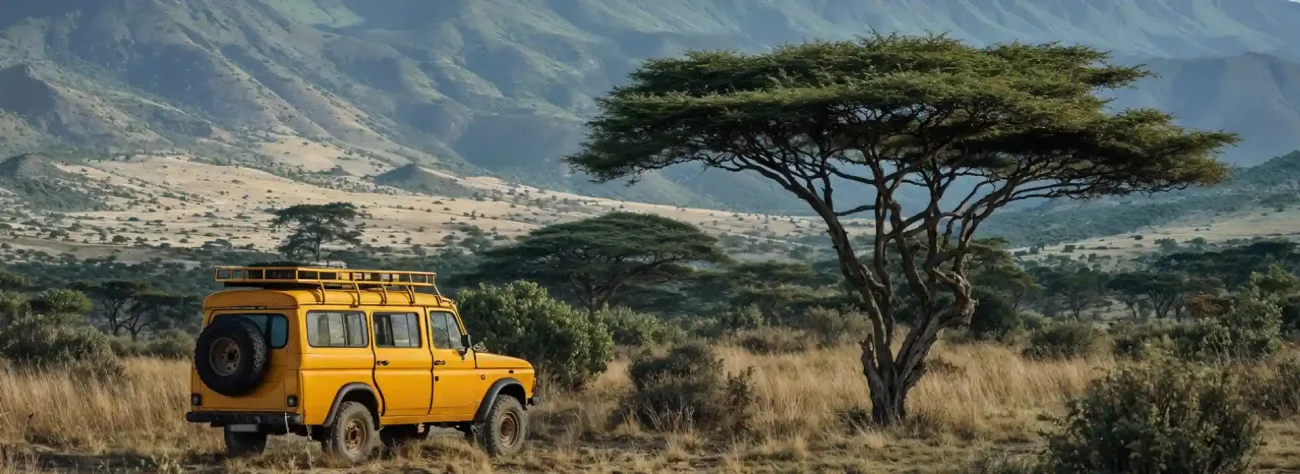
Safety on Safari 2026: How Tech and Real Time Support Keep Travellers Protected
Safari travel in Africa continues to grow in 2026, with travellers exploring iconic regions such as Kruger National Park, Serengeti, Masai Mara, Okavango, Etosha, Hwange, and Gorongosa. Safaris are extremely safe when travellers follow professional guidance and understand how wildlife, terrain, and regional conditions influence safety. The greatest risk comes from misunderstanding wildlife behaviour or travelling without adequate support in remote areas. That is why travellers in 2026 increasingly rely on both trained guides and advanced safety technology.
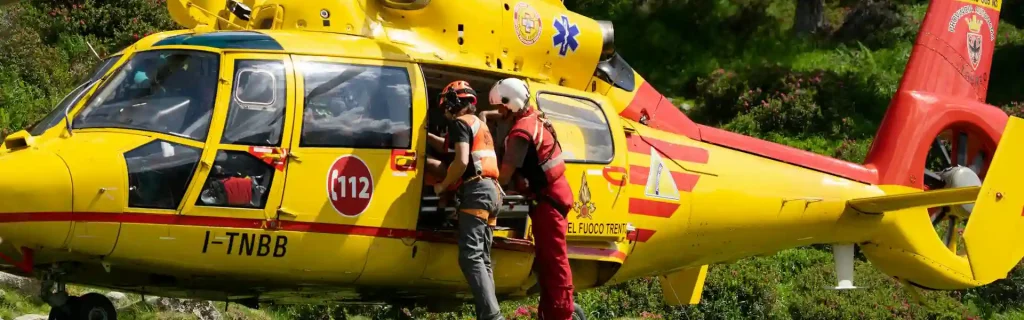
How TravelSafe SOS Supports Safari Travellers Across Africa
Safari travellers often visit remote regions where distances are long, mobile signal is inconsistent, and emergency facilities may be far away. TravelSafe SOS, available at https://travelsafesos.com/, provides a 24 hour control center that supports travellers exploring South Africa, Namibia, Tanzania, Kenya, Mozambique, Botswana, Uganda, Malawi, Zimbabwe, and Rwanda. When travellers press SOS, operators call within seconds, verify the emergency, and dispatch local responders. The system is robust and has you covered in any emergency. Safari travellers benefit from real time alerts, location tracking, and cross border coverage, making every part of the journey safer.
Why Safari Travel Remains Safe in 2026
Safari operators across Africa follow strict safety procedures. Guides undergo extensive training in wildlife behaviour, tracking, communication, and first aid. Camps and lodges adhere to safety standards that keep travellers protected at all times. Vehicles are designed for wildlife encounters with raised seating and visibility advantages. National Park regulations prevent unsafe interaction with animals. When travellers follow their guide’s instructions, safaris are among the safest adventure activities in the world.
Strengthen your personal safety on safari
Safari travellers can strengthen their personal safety in remote regions by installing the TravelSafe SOS app before their trip. iPhone users can access the app through this download link, while Android users can install it using this Google Play link. Having the app active during your safari ensures fast emergency contact, accurate GPS tracking, and dependable real time assistance across every major park in Southern and East Africa.

Understanding Wildlife Behaviour Is the Foundation of Safari Safety
Wildlife never behaves randomly. Every action has intention, whether curiosity, territorial behaviour, protection of young, or a desire to avoid conflict. Guides understand these signals and ensure travellers maintain safe distances. Safari safety rules include:
- Never stand up suddenly in open vehicles
• Never approach animals too closely
• Keep noise levels low
• Never feed wildlife
• Follow instructions during sightings
• Maintain calm movements
• Stay inside marked areas unless guided
Understanding these rules protects both travellers and wildlife.
Why Travellers Sometimes Misjudge Safari Risks
Many travellers assume that wildlife is predictable or that animals behave like they do in documentaries. In reality, safari risks arise when travellers misread animal behaviour, get too close, or move unexpectedly. Another misconception is that safaris are similar to zoo environments. Safari travel takes place in natural ecosystems where animals roam freely. Guides manage these risks, but travellers must respect the environment and follow professional advice.

The Role of Guides in Safari Safety
Guides are the backbone of safari safety. They:
- Assess animal behaviour
- Decide which sightings are safe
- Maintain safe distances
- Control vehicle positioning
- Communicate with rangers and other guides
- Warn travellers when animals show stress
- Navigate safe routes
- Manage emergencies professionally
Travellers should communicate openly with their guide, ask questions, and express any concerns during drives. A good guide ensures awareness and comfort throughout the safari.

How Technology Enhances Safari Safety in 2026
Technology now plays a central role in safari safety. TravelSafe SOS provides:
- Real time alerts for weather, environmental conditions, and regional disruptions
- GPS tracking that works even in low signal regions
- Instant SOS support for medical or security emergencies
- Location based intelligence for park conditions
- Cross border protection
Technology complements guide expertise. While guides manage wildlife risk, safety apps support travellers during transfers, road journeys, and time spent away from the lodge.
Common Safari Emergencies and How They Are Managed
Safari related emergencies fall into predictable categories:
- Illness from dehydration, heat, or altitude
- Injuries during walking safaris
- Vehicle incidents on rough terrain
- Wildlife encounters when travellers break rules
- Navigation challenges on self drive routes
- Sudden weather changes
- Allergic reactions or bites
When incidents occur, guides and rangers respond first because they are closest to the scene. TravelSafe SOS coordinates additional support such as medical teams, lodge responders, or paramedics. This layered approach reduces delays.
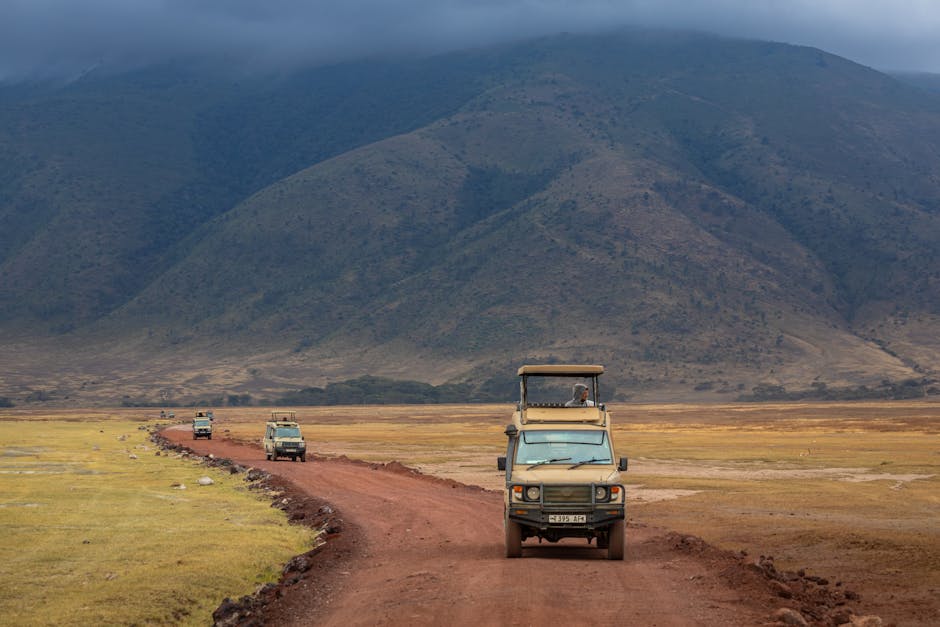
Walking Safari Safety Rules
Walking safaris offer deep immersion but require strict safety discipline. Travellers must:
- Always walk in single file
- Follow the guide’s pace
- Keep voices low
- Avoid sudden movements
- Remain aware of wind direction
- Carry minimal gear
- Maintain visibility of the guide’s signals
Only trained guides with rifle certification and knowledge of animal behaviour are allowed to lead walking safaris.
Remote Safari Regions and Emergency Response
Many safari regions are far from major towns. Kruger, Serengeti, Chobe, Etosha, and Hwange all contain vast wilderness areas where response resources are limited. TravelSafe SOS improves response timelines by using layered GPS, route prediction, and partnership networks. Responders may include park rangers, lodge teams, or private medical staff depending on the incident and location.
Why Safety Apps Are Becoming Standard for Safari Travel
Safari travellers increasingly want reliable support beyond the lodge perimeter. Safety apps provide reassurance during transfers, private drives, village visits, and border crossings. They also offer live alerts that improve awareness of weather, wildlife movements, and regional conditions. Combining lodge safety standards with technology creates the strongest protection.
FAQS Safari Safety Africa 2026
Is safari travel in Africa safe for 2026
Safari travel is very safe when travellers follow professional guidance and choose reputable lodges or operators. National parks and private reserves maintain strong safety standards designed to protect travellers and wildlife. Guides undergo extensive training and understand animal behaviour, vehicle positioning, and emergency response. Risks increase only when travellers ignore instructions or attempt to approach wildlife too closely. Technology enhances safety further by providing real time alerts, GPS tracking, and emergency support. TravelSafe SOS ensures travellers have backup beyond the lodge, especially during transfers or self guided drives. In 2026, safari travel is considered one of the safest adventure activities in Africa when travellers follow instructions and use modern safety tools.
How do guides keep travellers safe during a safari
Guides are trained professionals who understand wildlife behaviour, environmental cues, and safe viewing distances. They position vehicles strategically, maintain communication with other guides, and avoid animals showing signs of stress or agitation. Guides ensure travellers remain calm, seated, and quiet during sightings. On walking safaris, guides manage pacing, visibility, and wind direction. They also carry equipment for emergencies and know safe escape routes. When followed correctly, their instructions eliminate the majority of risks associated with wildlife encounters. Guides can also assess weather, route safety, and park conditions in real time. Their expertise is the single strongest safety asset on safari.
Are walking safaris safe in Africa
Walking safaris are safe when led by trained, certified professional guides. These guides understand animal tracks, behaviour, wind patterns, and terrain. Travellers must follow instructions closely, walk in single file, and maintain calm movements. Walking safaris require extra awareness because travellers are on foot rather than inside a vehicle. Risks are managed by choosing safe routes, avoiding risky areas, and monitoring wildlife behaviour long before travellers are near an animal. Walking safaris provide unforgettable experiences and are extremely safe when conducted by reputable operators with strong protocols and communication systems.
What should travellers do during a wildlife encounter
Travellers should remain calm, quiet, and seated unless guided otherwise. Sudden movements, standing up quickly, loud noises, or leaning outside the vehicle can alarm wildlife. Guides will provide instructions based on the behaviour of each animal. Elephants, lions, buffalo, and rhinos each require different viewing distances and posture. Travellers should avoid taking photos with flash, avoid reaching outside vehicles, and always follow the guide’s lead. When travellers respect the environment and behave predictably, wildlife encounters are safe, controlled, and deeply rewarding.
How does technology improve safari safety
Technology now plays an important role in safari travel. TravelSafe SOS enhances safety by providing real time alerts, GPS tracking, and instant SOS response. This is especially useful during transfers, village visits, or independent exploration. If an emergency occurs, travellers can contact a 24 hour control center for guidance and coordination. Technology supports guides as well, giving them access to weather updates, radar, communication networks, and park intelligence. Combining human expertise with advanced technology creates a safer and more informed safari experience.
What emergencies can happen on safari
Safari related emergencies are rare but may include dehydration, allergic reactions, minor injuries, vehicle incidents, wildlife proximity concerns, and medical issues unrelated to wildlife. Remote locations can complicate access to medical facilities. Guides respond first, followed by lodge teams or rangers. TravelSafe SOS coordinates medical support, vehicle assistance, or security teams if needed. Emergencies are usually manageable when travellers follow instructions and use safety tools. The combination of guide oversight, park regulations, and real time technology significantly reduces risk.
Do safety apps work inside remote national parks
Yes. Safety apps like TravelSafe SOS are designed for African conditions, including regions with low or intermittent signal. The app uses GPS, triangulation, and cached location data to track travellers even when connectivity fluctuates. Operators use multi layered tools to identify traveller location and dispatch local teams such as rangers, lodge responders, or medical support. This ensures safari travellers always have a communication lifeline regardless of terrain. Safety apps work best when combined with guide expertise and lodge protocols, creating a complete protection system.