
Understanding Africa’s Weather Risks in 2026
Africa’s landscapes are shaped by dramatic and powerful weather patterns. From extreme heat in Namibia and Botswana to cyclone seasons in Mozambique and Madagascar, heavy rains in Tanzania and Malawi, and fast moving storms in Kenya and Uganda, travellers encounter a range of weather related risks. Africa Weather Safety 2026 helps travellers understand these risks and provides practical guidance for staying safe throughout their journey.
Most weather incidents are manageable when travellers stay informed, know what to expect, and have immediate access to alerts and emergency support.
Why Weather Awareness Matters for Travellers in 2026
Climate patterns across Africa are changing. Storms are becoming more intense, heatwaves last longer, and rainfall has become less predictable. Travellers need weather awareness not only for comfort but for personal safety. Weather impacts:
- Roads and transport connections
- Border crossings
- Safari visibility
- Boat transfers and ocean activities
- Walking trails and hiking conditions
- Flood prone river crossings
- Wildlife movement and behaviour
Being prepared ensures that travellers avoid unnecessary risk and adjust plans safely when weather changes.

Heatwaves and Extreme Temperatures in Southern Africa
Countries such as Namibia, Botswana, South Africa, Zimbabwe, Zambia, and Mozambique experience intense heat between October and March. Travellers often underestimate the impact of extreme temperatures, especially during safaris and self drive routes.
Risks Associated With Heat
• Dehydration
• Heat exhaustion
• Heat stroke
• Imbalance or dizziness around wildlife or cliffs
• Vehicle overheating during long drives
Travellers should drink water regularly, avoid long outdoor activity during peak midday sun, and ensure their safari vehicle or rental car is reliable.
Cyclones and Tropical Storms Along the East Coast
Mozambique, Madagascar, Mauritius, and Seychelles experience cyclone activity between December and April. Cyclones can cause high winds, heavy rain, coastal flooding, and dangerous ocean conditions.
Where Cyclones Usually Hit
• Mozambique’s central and northern coastline
• Madagascar’s east coast
• Mauritius and Rodrigues Island
• Seychelles outer islands
Travellers should monitor local advisories and avoid ocean activities during cyclone warnings. TravelSafe SOS provides verified weather alerts and safety instructions.
Flash Flooding in East Africa
Heavy rains in Tanzania, Kenya, Uganda, Rwanda, and Malawi can cause flash floods and landslides, especially in:
- Mountain regions
- National parks
- River crossings
- Rural roads
- Coastal areas during high tide
Floods can appear suddenly, turning dry ground into fast flowing water. Travellers should never attempt to cross flooded roads and should seek higher ground immediately when water rises.
Storms and Lightning Hazards
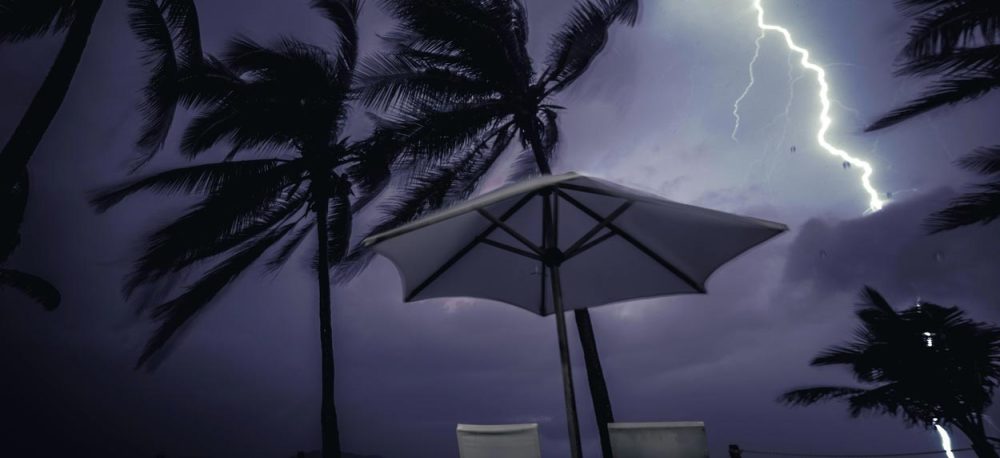
Thunderstorms occur frequently across Southern and East Africa. Lightning strikes pose risks during:
- Hiking
- Open plains safaris
- Boat trips
- Mountain climbs
- Beach activities
Travellers should return to vehicles or shelters when storms approach. Water based activities must stop immediately during lightning activity.

Wind Conditions and Ocean Safety
Indian Ocean islands and coastlines experience unpredictable wind patterns that affect:
- Kitesurfing
- Diving
- Snorkelling
- Sailing
- Dhow trips
- Inter island transfers
Strong winds can create dangerous currents and large waves. Travellers should always check local conditions before entering the water.
How TravelSafe SOS Supports Travellers During Weather Risks
Weather can change faster than travellers expect. TravelSafe SOS reduces risk with:
- Real time weather alerts for storms, cyclones, and dangerous sea conditions
- Verified safety notifications relevant to each traveller’s location
- Immediate response if travellers are affected by weather incidents
- Coordination with local responders, marine services, safari guides, or medical teams
- Offline safety features for low signal regions
- Guidance on evacuation, shelter, or safe movement during storms
This proactive system helps travellers avoid risks and receive help quickly when conditions deteriorate.
Practical Weather Safety Tips for Africa in 2026
Stay hydrated, avoid peak heat and use sun protection while planning outdoor activities for early morning or late afternoon. Check weather forecasts daily because conditions can shift quickly, and never cross flooded roads since even shallow water can be dangerous. Choose reputable operators for boat trips, scuba diving and snorkelling, as they monitor conditions carefully.
Prepare for possible power outages during storms by carrying battery banks and keeping devices charged. Always follow local advice from guides, rangers and hotel staff, who track weather patterns closely and may recommend postponing activities for safety.
Regions Most Affected by Weather Risks
Southern Africa
• Namibia, Botswana, Zimbabwe, Zambia: Extreme heat
• Mozambique: Cyclones and storms
• South Africa: Varied conditions, from heat to flooding
East Africa
• Tanzania and Kenya: Heavy rains and flash floods
• Uganda and Rwanda: Storms and landslides
• Malawi: Floods and lake related risks
Indian Ocean Islands
• Mauritius, Seychelles, Madagascar: Cyclone season
• Zanzibar: Seasonal winds and strong currents

Your Weather Safety Support Across Africa
TravelSafe SOS provides real time weather alerts, region specific guidance and fast emergency coordination when conditions change. Whether travellers face storms, extreme heat, impassable roads or cancelled boat transfers, the app offers immediate instructions to reduce confusion and risk. This ensures travellers can adapt quickly and remain safe during any weather disruption.
Download TravelSafe SOS to receive instant weather alerts and 24 hour emergency support across Southern and East Africa. The app keeps you informed when conditions shift unexpectedly, guides you through disruptions and connects you to trained responders when needed. Travel confidently knowing expert guidance is always available.
FAQS Weather Safety in Africa
Is it safe to visit Africa during cyclone season
Yes, but travellers should monitor forecasts closely and avoid risky ocean activities. TravelSafe SOS provides real time cyclone alerts to help travellers stay informed.
What is the biggest weather risk in Southern Africa
Extreme heat is the most common issue, especially during summer. Staying hydrated and using sun protection are essential for safety.
Can I still go on safari during heavy rains
Yes, safaris continue, but road conditions and wildlife viewing may change. Safari lodges adapt routes and TravelSafe SOS offers updated weather information.
Are floods common in East Africa
Flooding occurs seasonally, and travellers should avoid river crossings and follow local advice during rainy periods to stay safe.
What should I do during a lightning storm
Move indoors or into a vehicle immediately. Stop all water activities and avoid open fields or high ground until the storm passes.
Do Indian Ocean islands have good emergency systems
Yes, but their remote nature means travellers benefit from additional support through TravelSafe SOS, which helps coordinate assistance when needed.
Why do I need a safety app for weather risks
Because conditions can shift quickly and travellers require real time alerts and emergency coordination, especially in remote areas where weather impacts access and movement.