
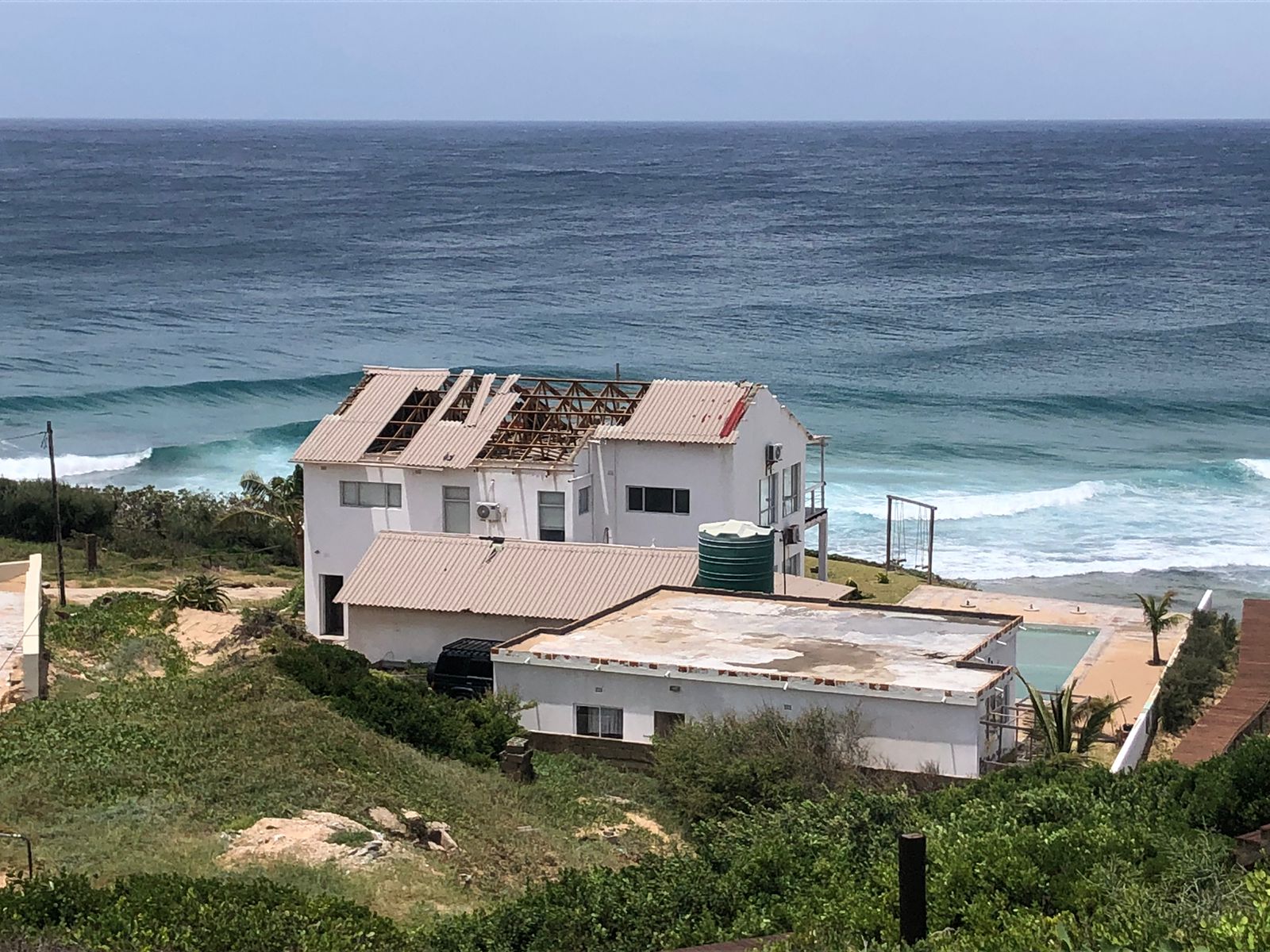
Current Position: 72 Hours After Cyclone Gezani
Cyclone Gezani has weakened after bringing heavy rainfall and flooding to parts of southern and central Mozambique. While the most intense wind activity has subsided, the real question travellers are asking is no longer about the storm itself — it is about aftermath conditions.
Is it safe to proceed with travel plans?
Are airports open?
Are roads passable?
Is there ongoing health risk?
The short answer: Mozambique is not uniformly unsafe. However, travel decisions must now be made at province level, not national level.
What Has Stabilised Since the Storm Passed
Over the past 72 hours:
- Wind intensity has dropped significantly
- Major international airports remain operational
- Some sections of primary highways are reopening
- Coastal swell is gradually reducing
- Emergency flood response remains active in affected districts
The immediate life-threatening wind exposure has passed. The residual risk lies in floodwater levels, infrastructure stability, and health exposure.
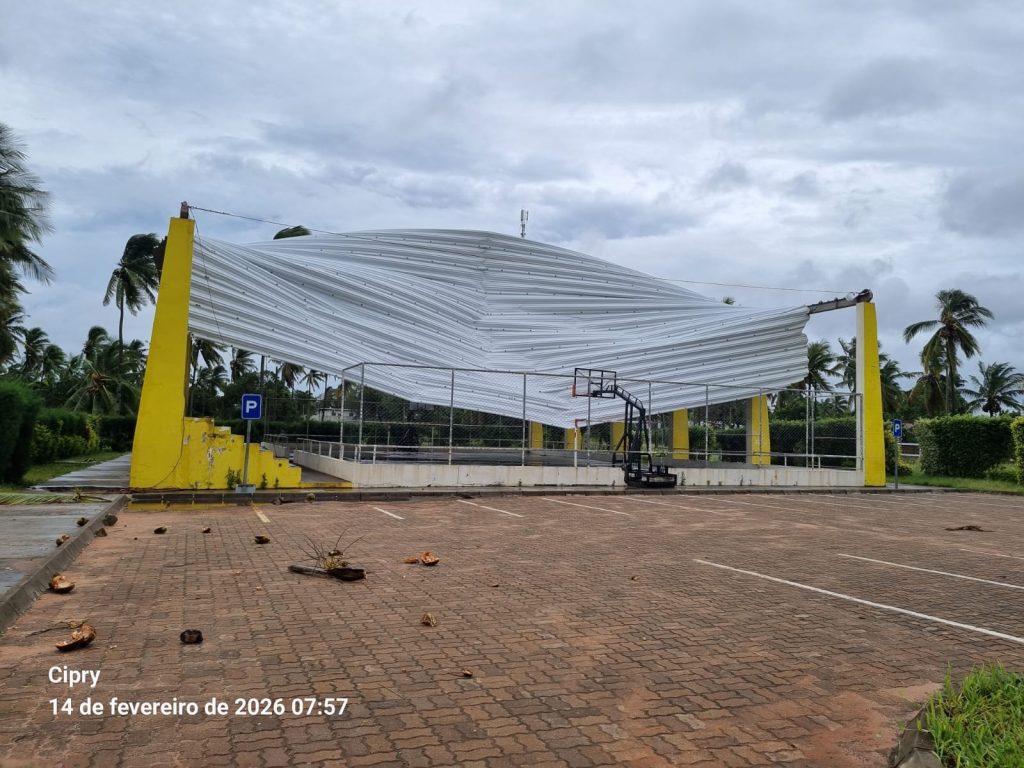
Which Areas Are Currently Safe for Travel
Mozambique is geographically large. Conditions vary sharply.
Maputo City
Urban infrastructure remains largely functional. Transport services are operating with caution.
Vilanculos and Bazaruto
Air access remains active. Marine excursions are resuming gradually depending on sea conditions.
Northern Provinces
Rainfall impact has been significantly lower compared to southern flood basins.
In these regions, travel is proceeding with monitoring rather than suspension.
Which Areas Require Caution or Delay
Flood-affected districts in southern river basins may still experience:
- Road damage
- Detours
- Delayed bridge inspections
- Slower emergency response times
Rural overland self-drive routes through affected corridors carry elevated risk until full structural inspection is confirmed.
Travellers planning complex road itineraries should reconsider routing through flood-prone districts until official clearance is stable.

Are Flights to Mozambique Operating Normally
International flights into Maputo are operating. Some domestic connections may still be adjusting schedules depending on runway inspections and aircraft availability.
Travellers should:
- Confirm flights directly with airlines
- Allow connection buffers
- Avoid same-day tight domestic transfers
Air transport has recovered faster than road corridors.
Are Roads Safe for Self-Drive Travel
This is the most critical safety variable right now.
Primary highways are gradually reopening, but secondary roads may remain compromised. Floodwater can erode structural integrity beneath asphalt, creating hidden collapse risk.
The key rules:
- Avoid night driving
- Do not cross standing water
- Confirm route viability locally
- Allow extra travel time
Self-drive exposure is currently higher than fly-in lodge travel.

Health Risk in the Post-Flood Window
Flood conditions increase secondary health risks in the days following heavy rainfall.
Malaria Risk
Standing water increases mosquito breeding. Risk rises in affected districts.
Water Contamination
Only bottled or properly treated water should be used.
Heat Stress
High humidity increases dehydration risk.
Travellers should treat any fever seriously and seek immediate testing.
Is Tourism Infrastructure Operational
Many established resorts and safari lodges remain operational. These properties are typically constructed with elevated foundations and storm-resilient design.
Disruption has occurred primarily in:
- Access roads
- Local supply routes
- Smaller transport providers
The majority of high-end tourism infrastructure is functioning with modified logistics.
Should You Cancel Your Trip to Mozambique
Cancellation decisions should be based on three variables:
- Destination Province
- Access Route
- Flexibility of Itinerary
If travelling to unaffected coastal or northern areas with confirmed air access, travel may proceed safely with awareness.
If relying on long rural road corridors through flood-affected districts, postponement may be advisable until inspection updates stabilise.
The decision is situational, not emotional.
The Risk of Overreaction
Global media coverage often amplifies worst-case imagery. While humanitarian impact in flood zones is serious, it does not equate to nationwide travel shutdown.
Cancelling travel to unaffected regions may not reflect on-the-ground reality.
The smarter approach is verification, not assumption.

What Travellers Should Do Right Now
If you are travelling within the next 7 days:
- Confirm accommodation access directly
- Confirm transfer logistics
- Monitor meteorological updates
- Avoid self-drive through rural flood zones
- Keep itinerary flexible
If you are already in Mozambique:
- Remain in communication with providers
- Avoid non-essential movement
- Respect official advisories
Preparation reduces exposure.
Why Real-Time Emergency Support Matters More After the Storm
The danger window after a cyclone often exceeds the storm itself.
Road collapse, delayed medical response, and communication breakdown create vulnerability during recovery.
Real-time emergency coordination offers:
- Immediate assessment
- Accurate location verification
- Contact with local responders
- Medical facility confirmation
- Communication with next of kin
Insurance reimburses.
Real-time coordination responds.
In post-flood environments, response speed reduces escalation.
Mozambique’s Recovery Pattern
Historically, Mozambique’s tourism recovery follows a predictable pattern:
- Airport stabilisation
- Highway inspection and reopening
- Marine activity resumption
- Lodge access normalisation
- Gradual booking confidence return
Recovery typically occurs faster in tourism corridors than in rural humanitarian zones.

Forward Risk Outlook for the Next 10 Days
Meteorological tracking shows no immediate equivalent-strength system following Gezani at this time. However, seasonal instability remains present in the Mozambique Channel.
The primary short-term risk is residual flooding, not wind.
Travel risk is trending downward but remains location-dependent.
Final Assessment: Travel Now or Wait?
Mozambique is not closed.
However:
Travel by air to confirmed operational tourism hubs:
Generally manageable with monitoring.
Self-drive through flood-affected districts:
Higher risk until infrastructure inspection is fully confirmed.
Remote rural routing:
Proceed with caution.
The most important factor is information accuracy and response readiness.
FAQs: Is It Safe to Travel to Mozambique Now
Is it safe to travel to Mozambique now after Cyclone Gezani?
Safety depends on destination and routing. Major airports and many tourism hubs are operational, while certain flood-affected districts remain disrupted. Travellers flying into confirmed operational areas may proceed with monitoring. Overland travel through rural flood zones carries higher risk until inspections stabilise.
Are Mozambique airports open after the cyclone?
Major international airports remain open, though schedule adjustments may occur. Domestic flights are operating with caution. Travellers should confirm directly with airlines and allow flexible connections in case of last-minute adjustments due to weather or runway inspections.
Is self-driving safe in Mozambique after flooding?
Self-driving carries elevated risk in flood-affected districts. Road surfaces may be compromised beneath standing water. Night driving should be avoided, and travellers should confirm route viability locally before departure. Fly-in lodge travel currently carries lower exposure than long-distance overland routing.
Should I cancel my Mozambique beach holiday?
If your destination remains accessible by air and your accommodation confirms operational status, cancellation may not be necessary. Decisions should be based on province-level conditions and access routes rather than national headlines. Verification is more reliable than assumption.
Will malaria risk increase after flooding?
Yes. Standing water increases mosquito breeding and can raise malaria transmission in affected districts. Travellers should maintain prophylaxis where recommended and seek immediate testing if fever develops during or after travel.
How long will recovery take in flood-affected areas?
Primary transport corridors often stabilise within days to weeks depending on damage severity. Rural and secondary roads may take longer. The next 7 to 10 days will clarify the recovery trajectory in currently affected provinces.