
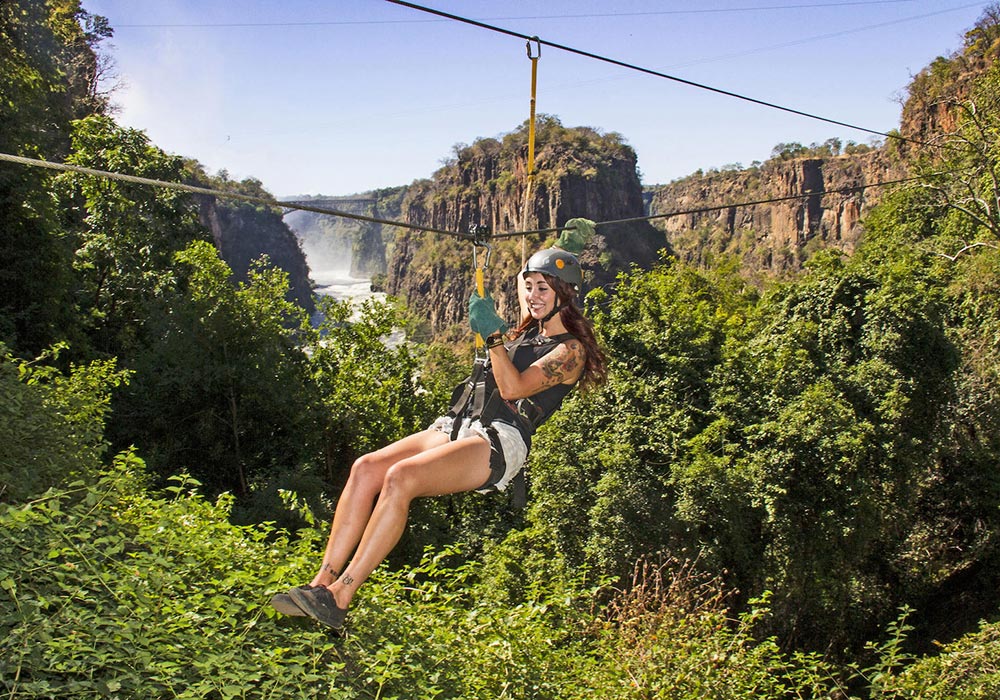
Zimbabwe has earned a reputation as one of Africa’s finest safari destinations. Understanding how safari safety works allows visitors to experience remarkable wildlife with confidence rather than concern.
Zimbabwe Is One of Africa’s Most Authentic Safari Destinations
Mention Zimbabwe to experienced safari travellers and the conversation quickly turns to guiding.
While neighbouring countries are often recognised for luxury lodges or famous migration spectacles, Zimbabwe is respected for something slightly different. It has produced generations of professional guides regarded among the finest on the continent. Their understanding of wildlife behaviour, bushcraft, conservation and visitor safety has become one of the country’s defining strengths.
This reputation did not develop by accident.
Zimbabwe’s safari industry has evolved over many decades in some of Africa’s wildest landscapes, including Hwange National Park, Mana Pools National Park, Gonarezhou National Park and the private concessions that surround them. These are not heavily urbanised tourism areas where wildlife exists behind fences or inside carefully controlled reserves. They are functioning ecosystems where elephants, lions, leopards, buffalo, wild dogs and countless other species behave naturally.
For visitors, that authenticity is precisely what makes Zimbabwe so rewarding.
It also raises an understandable question.
How safe is it to travel through landscapes where dangerous wildlife lives freely?
The answer begins with understanding that safari safety is built around knowledge rather than luck.
Is Zimbabwe Safe for Safari?
The short answer is yes.
Hundreds of thousands of visitors enjoy Zimbabwean safaris every year without experiencing serious incidents.
Yet many first-time travellers arrive believing that the greatest risk comes from lions, elephants or other dangerous animals.
Professional guides would usually disagree.
The greatest risk on safari is not wildlife itself.
It is human behaviour.
Wild animals follow remarkably predictable patterns when they are respected.
Problems generally arise when people ignore instructions, underestimate distances, attempt to approach animals for photographs or assume that wild animals will behave like those seen in zoos or documentaries.
Zimbabwe’s safari industry has developed strict operating procedures specifically to prevent these situations.
Every game drive, walking safari and river excursion is built around understanding animal behaviour before guests ever leave camp.
Rather than reacting to danger, professional guides work continuously to avoid creating dangerous situations in the first place.
This proactive approach explains why Zimbabwe maintains such a strong international reputation for safari safety.
Why Zimbabwe’s Professional Guides Are Among the Best in Africa
One of Zimbabwe’s greatest competitive advantages is the quality of its professional guiding.
Training standards have historically been exceptionally demanding, combining wildlife biology, ecology, navigation, first aid, firearms competency, conservation law and years of practical bush experience before guides qualify to lead international visitors independently.
For guests, this expertise often becomes invisible because truly experienced guides make complex decisions appear effortless.
Long before visitors notice a breeding herd of elephants, the guide has already assessed wind direction, escape routes, animal behaviour and vehicle positioning.
Before stepping onto a walking trail, the guide has evaluated recent spoor, bird alarm calls, prevailing conditions and the likelihood of encountering particular species.
During a game drive, every decision about where to stop, how closely to approach wildlife and when to leave an area is based on continuous observation.
Visitors may see only a relaxing safari.
Behind the scenes, professional judgement is operating every minute.
That level of expertise creates an environment in which guests can focus entirely on enjoying wildlife rather than worrying about their safety.
Wildlife Is Dangerous, But Also Predictable
One of the biggest misconceptions about African safaris is that dangerous animals are unpredictable.
In reality, experienced guides spend their careers understanding predictable behavioural patterns.
Elephants communicate clearly through posture, ear position and vocalisation.
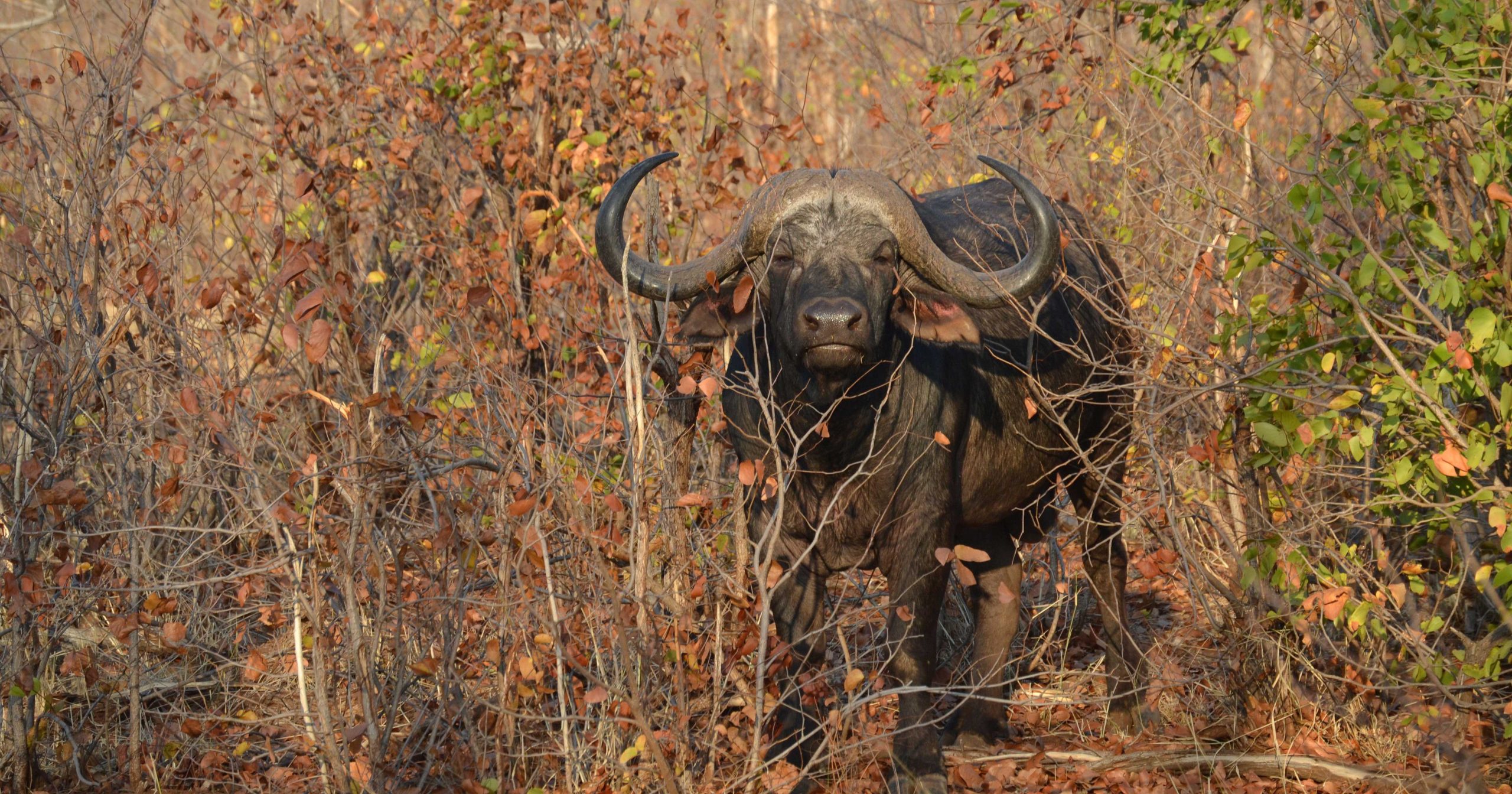
Buffalo display obvious signs of agitation long before they become aggressive.
Lions rarely view safari vehicles as prey because they have become accustomed to their presence over many years.
Hippos appear calm but become highly defensive if they believe their route to water has been blocked.
Understanding these behavioural differences is what separates professional guiding from simple wildlife viewing.
Visitors do not need to memorise animal behaviour themselves.
Their responsibility is much simpler.
Listen carefully.
Remain seated when instructed.
Keep noise to a minimum.
Avoid sudden movements.
Allow guides to make decisions without distraction.
Safari safety functions as a partnership between knowledgeable guides and cooperative guests.
When both fulfil their roles, wildlife encounters become extraordinary educational experiences rather than dangerous situations.
Walking Safaris: Why They Are Safer Than Many Visitors Imagine
The idea of walking through the African bush while lions, elephants and buffalo live nearby understandably sounds intimidating.
For many travellers, a walking safari initially appears far more dangerous than remaining inside a vehicle.
Ironically, experienced safari professionals often view guided walking as one of the most carefully managed activities available.
Walking safaris involve small groups, highly qualified guides and meticulous planning.
Routes are selected according to recent wildlife movements.
Wind direction is monitored continuously.
The pace remains slow.
Conversation is kept quiet.
Every participant receives a thorough safety briefing before leaving camp.
Walking safaris are not about approaching dangerous animals.
They are about learning to interpret the bush.
Guests discover tracks, insects, birds, medicinal plants and countless ecological relationships that cannot easily be appreciated from inside a vehicle.
Occasionally larger animals are encountered, but these moments are managed through distance, positioning and guide experience rather than confrontation.
Visitors often finish their first walking safari surprised by how calm the experience felt.
Confidence comes from understanding that every decision was based on preparation rather than chance.
Camp Safety: Living Beside Wild Animals
Unlike conventional hotels, safari camps exist within the natural environment rather than being separated from it.
Elephants may browse quietly outside a tent.
Hippos occasionally graze near camp after dark.
Hyenas sometimes pass between buildings.
These experiences often become unforgettable highlights of a safari.
They also require visitors to adopt simple but important habits.
Professional staff explain camp rules on arrival for a reason.
Guests are asked not to walk unaccompanied after dark.
Food should not be left outside tents.
Children require supervision.
Flashlights should always be carried when moving between rooms at night.
These are not restrictive regulations.
They acknowledge that guests are temporarily sharing space with wildlife that has occupied these landscapes for thousands of years.
Respecting those boundaries allows both people and animals to coexist safely.
River Safaris and Canoeing: Understanding a Different Environment
Zimbabwe is home to some of Africa’s finest river-based safari experiences, particularly along the Zambezi River in Mana Pools National Park. Exploring these waterways by canoe or small boat offers an entirely different perspective on the African wilderness, allowing visitors to move quietly through landscapes where elephants feed on the riverbanks, crocodiles bask in the sun and hippos spend much of the day submerged beneath the surface.
To first-time visitors, this proximity to wildlife can seem intimidating.
In practice, river safaris are among the most carefully managed activities in Zimbabwe’s tourism industry. Guides understand seasonal water levels, animal territories, river currents and weather conditions. Canoe safaris are planned according to daily environmental assessments rather than fixed timetables, and guides constantly adjust routes to avoid unnecessary interaction with wildlife.
Hippos deserve particular respect because they are highly territorial in water, while crocodiles remain powerful predators that should never be underestimated. Professional guides understand how both species behave and maintain appropriate distances throughout the journey.
Visitors should remember that the guide’s instructions are based on observation rather than routine. A request to remain quiet, change direction or stop paddling may appear insignificant, but it is usually the result of subtle environmental cues that only experienced professionals recognise.
Remote Safari Areas Require Planning Rather Than Concern
One of Zimbabwe’s greatest strengths is the sense of genuine wilderness that visitors experience.
Large areas of the country remain sparsely populated, allowing wildlife to move naturally across extensive ecosystems that feel wonderfully untouched by modern development.
For travellers, this remoteness creates unforgettable safari experiences.
It also means that journeys require careful logistical planning.
Unlike urban destinations where hospitals, fuel stations and communication networks are never far away, safari areas operate on a different scale. Distances between camps can be considerable, mobile coverage may be intermittent and emergency services often rely on coordinated responses involving guides, lodge staff and specialist medical providers.
Professional safari operators understand these realities extremely well.
Every itinerary is designed around practical travel times rather than ambitious schedules. Guides communicate regularly with neighbouring camps, accommodation providers monitor guest arrivals and experienced operators maintain contingency plans should weather, road conditions or mechanical issues affect travel.
Visitors benefit enormously from this planning, even though much of it happens behind the scenes.
The lesson is simple.
Remote does not mean unsafe.
It means preparation becomes more important.
Why Visitors Should Respect Camp Rules
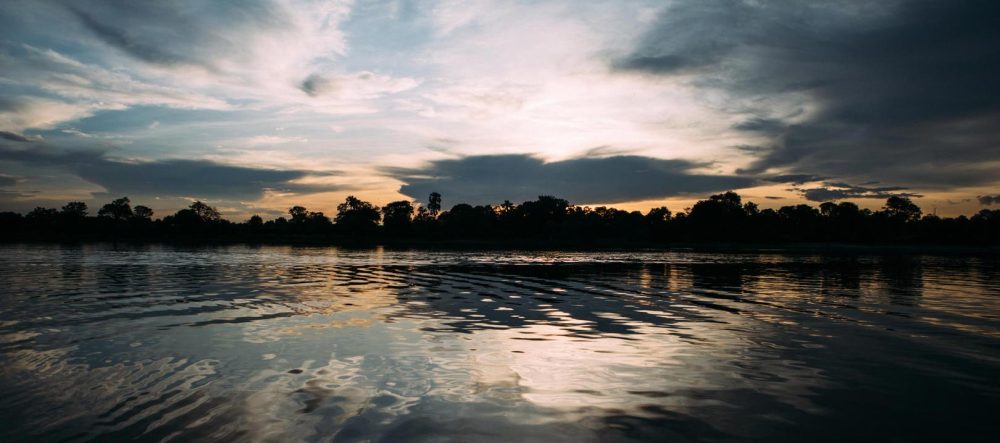
One of the most noticeable differences between a safari lodge and a conventional hotel is that wildlife remains free to move through the surrounding environment.
Elephants occasionally browse beneath trees outside guest rooms.
Buffalo may pass through open areas before dawn.
Hyenas sometimes investigate the edges of camp after sunset.
For many visitors, these encounters become the defining memories of their safari.
They also explain why camps operate according to clearly established safety procedures.
Guests are normally escorted between their rooms and the main lodge after dark, not because danger is expected, but because staff understand that wildlife movements increase during the evening. Flashlights are provided, walking routes are planned and guides remain alert to changing conditions throughout the night.
These procedures are not restrictive.
They are part of living responsibly within a natural ecosystem.
Travellers who embrace this philosophy quickly realise that camp rules are designed to maximise both safety and the extraordinary privilege of sharing space with truly wild animals.
Medical Emergencies in Remote Safari Areas
Medical emergencies are uncommon during Zimbabwean safaris, but professional operators prepare extensively for situations that require urgent assistance.
Most guides receive advanced first-aid training and carry emergency communication equipment while conducting activities. Safari camps maintain detailed emergency response plans and have established relationships with regional medical providers and specialist evacuation services.
Visitors should also prepare before travelling.
Comprehensive travel insurance that includes emergency medical evacuation is essential for remote safari destinations. Travellers should carry sufficient prescription medication for the duration of their trip, inform guides of significant allergies or medical conditions and ensure emergency contact information remains easily accessible.
Preparation should never be interpreted as expecting something to go wrong.
Rather, it reflects the reality that remote wilderness areas require different logistical arrangements from city destinations.
When everyone understands the plan before an emergency occurs, responses become faster, calmer and more effective.
Why Travel Insurance Is More Than Financial Protection
Many travellers think of travel insurance primarily as protection against cancelled flights or misplaced luggage.
On safari, its role is much broader.
Should a serious medical incident occur in a remote national park, the costs associated with specialist transport, emergency evacuation or advanced medical treatment can become substantial. Insurance allows operators and medical providers to focus on organising the most appropriate response without unnecessary administrative delays.
Before travelling, visitors should confirm that their policy covers safari activities, remote medical evacuation and any adventure experiences they intend to undertake.
Understanding the policy before departure removes uncertainty should assistance ever become necessary.
How TravelSafe SOS Supports Travellers in Zimbabwe
Zimbabwe’s safari regions demonstrate why coordinated emergency response is often more valuable than simply knowing emergency telephone numbers.
A traveller experiencing a medical emergency during a game drive may require communication between the safari guide, lodge management, medical professionals, evacuation providers, travel insurers and family members. Managing those conversations simultaneously can be extremely challenging for travelling companions.
TravelSafe SOS was designed specifically to coordinate these situations.
If an SOS alert is activated, the TravelSafe SOS Control Centre immediately receives the traveller’s location and begins assessing the situation. Coordinators establish communication where possible, liaise with local responders and work with accommodation providers, medical services, insurers, travel agents and nominated next of kin to ensure everyone receives accurate information.
The strength of the system lies in coordination rather than simply notification.
Instead of relying on several different organisations to communicate independently, travellers benefit from one experienced control centre managing the response from start to finish.
For visitors combining Zimbabwe with Botswana, Zambia, South Africa, Namibia, Mozambique or East Africa, the same support remains available throughout the journey.
Final Thoughts
Zimbabwe has earned its place among Africa’s finest safari destinations through exceptional guiding, extraordinary wildlife and some of the continent’s most authentic wilderness experiences.
Visitors should respect the environment, but they should not fear it.
Professional safari guiding is built on knowledge, observation and preparation. Every game drive, walking safari and river excursion reflects decades of accumulated experience in understanding wildlife and managing risk.
Travellers who listen carefully, remain patient and trust their guides quickly discover that Zimbabwe’s wilderness is both inspiring and remarkably well managed.
The result is not simply a safe safari.
It is an experience that deepens appreciation for Africa’s wildlife while creating memories that last a lifetime.
Explore Zimbabwe with Confidence
Whether you are travelling to Hwange National Park, Mana Pools, Gonarezhou or combining Zimbabwe with neighbouring countries, preparation remains your most valuable travelling companion.
Download TravelSafe SOS before your journey and explore Southern Africa knowing that professional emergency coordination is available whenever you need it.