
Understanding Zimbabwe Travel Safety in 2026
Zimbabwe is one of Southern Africa’s most established safari destinations, known for Victoria Falls, Hwange National Park, and Mana Pools. Despite economic and political challenges over time, tourism remains stable and well structured.
For most travellers, Zimbabwe is safe when experienced through established travel routes and reputable operators. The majority of visitors move between Victoria Falls, safari camps, and airports without incident.
The key distinction is not the country itself, but how it is travelled. Structured travel is predictable and safe. Unstructured movement, particularly in urban environments, introduces risk.
Zimbabwe travel safety in 2026 is best understood as controlled and manageable within tourism systems, rather than uniformly safe across all environments.
Where Zimbabwe Is Safest for Tourists
Zimbabwe’s safety profile is strongest within its main tourism zones.
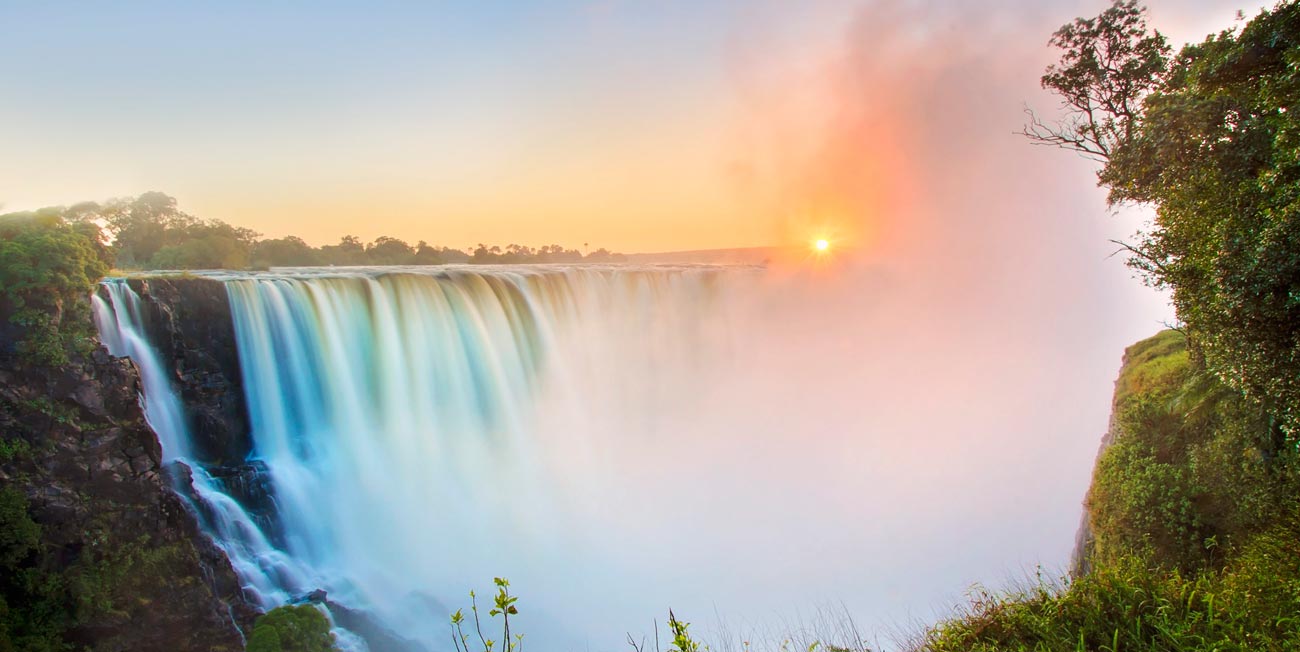
Victoria Falls is one of the safest and most organised travel hubs in Southern Africa. The town is built around tourism, with strong infrastructure, visible security presence, and consistent international visitor flow.
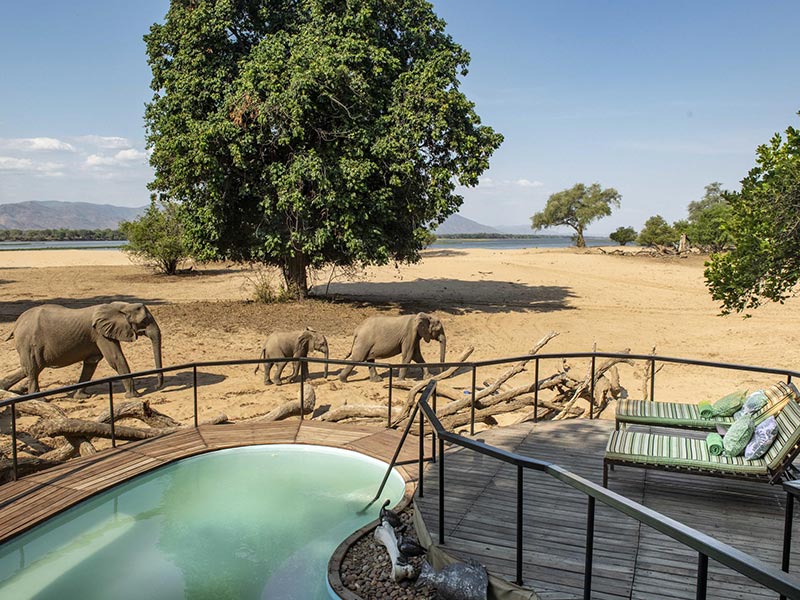
Safari destinations such as Hwange National Park and Mana Pools operate in controlled environments where movement is guided and risk is minimal.
Urban centres such as Harare and Bulawayo present a different environment. While not inherently dangerous, they require more awareness, particularly around movement and transport.
The pattern is clear. Zimbabwe is safest where tourism is structured and supported.
Crime Risk and What Travellers Actually Experience
Crime affecting tourists in Zimbabwe is generally low and opportunistic.
Common issues include:
petty theft
pickpocketing
bag snatching
These incidents are more likely to occur in urban areas or crowded environments rather than in safari or tourism zones.
Serious crime involving tourists is uncommon in main travel areas.
Risk increases in predictable situations:
walking alone in cities
moving at night
displaying valuables
using informal transport
Travellers who stay within structured environments and follow basic precautions experience very low levels of disruption.
Political Stability and Perception vs Reality
Zimbabwe’s political history often influences traveller perception more than actual risk.
While political and economic challenges do exist, they rarely affect tourists directly. Demonstrations may occur in urban centres, but these are typically localised and avoidable.
Tourism hubs such as Victoria Falls and national parks operate independently of political activity and remain stable.
The gap between perception and reality is significant. Zimbabwe may appear high-risk from a distance, but on the ground, tourism operates in a controlled and predictable environment.
Transport and Movement Across Zimbabwe
Transport is a key factor in overall safety.
Road conditions vary, and long distances between destinations require planning. Driving standards can be inconsistent, particularly outside major routes.
Most travellers rely on:
guided transfers
lodge-arranged transport
domestic flights for longer distances
This structured approach significantly reduces risk and simplifies travel across the country.
Unplanned or informal transport introduces unnecessary exposure, particularly in urban areas.
Healthcare and Emergency Response Limitations
Healthcare infrastructure in Zimbabwe is limited outside major cities.
Private medical facilities in Harare provide the highest standard of care, but access becomes more restricted in remote safari areas.
In serious situations, response may involve:
initial assessment at lodge level
transfer by road or air
treatment in a major city or regional hub
The challenge is not the absence of care, but the coordination required to access it quickly.
Health and Environmental Risks
Health risks in Zimbabwe are manageable but should be understood.
These include:
malaria in regions such as the Zambezi Valley
heat and dehydration
remote travel conditions
Malaria risk is location-specific rather than nationwide, and prevention is typically recommended for certain safari areas.
These risks are not unique to Zimbabwe but are part of travelling in remote African environments.
When Risk Actually Increases
Risk in Zimbabwe increases in specific, predictable scenarios.
Unstructured movement in cities, particularly at night, increases exposure to petty crime.
Using informal transport or moving without a plan introduces uncertainty.
Travelling long distances without preparation can lead to delays and logistical challenges.
The consistent pattern is this: risk rises when structure is removed.
Practical Safety Advice for Zimbabwe
Simple decisions significantly reduce risk.
Use reputable tour operators and guides
Arrange all transport in advance
Avoid walking unnecessarily in urban areas
Limit movement at night
Keep valuables out of sight
Follow lodge and local guidance
These are standard practices for travelling safely in Zimbabwe and align with how the destination is designed to be experienced.
Why Immediate Emergency Support Matters
Most travel in Zimbabwe is smooth and well managed. The real challenge arises when something unexpected happens.
A medical issue, transport disruption, or security concern requires immediate coordination, particularly in remote areas.
TravelSafe SOS provides a centralized response system that manages this process.
From the moment an incident occurs, the control centre can assess the situation, coordinate support, and activate the appropriate response. This includes medical assistance, evacuation, and communication with insurers and travel partners.
In a destination where distances are long and infrastructure varies, rapid coordination is the difference between a manageable situation and a complex one.
Is Zimbabwe Safe for Tourists Overall
Zimbabwe is safe for tourists when travelled correctly.
Its main tourism areas are stable, well-managed, and designed for international visitors. Safari experiences and Victoria Falls operate within structured systems that minimise risk.
The key is not avoiding Zimbabwe, but understanding how to move within it.
Travellers who follow structured itineraries and plan their movements experience Zimbabwe as one of Africa’s most rewarding and accessible destinations.
Safety in Zimbabwe is not about the absence of risk. It is about how effectively that risk is managed.
Frequently Asked Questions
Is Zimbabwe safe for tourists
Zimbabwe is generally safe for tourists when travelling within established tourism areas such as Victoria Falls and national parks. Most visitors experience no issues when using reputable operators and structured transport. Risk increases mainly in urban areas when movement is unplanned or independent. Understanding how to navigate the country is key to a safe experience.
Is Victoria Falls safe to visit
Victoria Falls is one of the safest and most organised destinations in Zimbabwe. The town is built around tourism, with strong infrastructure, security presence, and consistent international visitor flow. Most travellers move freely within the main areas without issue, particularly when using arranged transport and established accommodation.
What are the main risks in Zimbabwe for tourists
The main risks include petty crime in urban areas, transport-related challenges, and limited access to advanced healthcare in remote regions. These risks are predictable and manageable. Travellers who stay within structured tourism environments and plan their movements carefully experience very low levels of disruption.
Is Zimbabwe politically stable for travel
Zimbabwe has experienced political and economic challenges, but these rarely impact tourists directly. Demonstrations are usually confined to urban areas and can be avoided easily. Tourism hubs such as Victoria Falls and safari parks operate independently of political activity and remain stable for visitors.
Do I need malaria prevention for Zimbabwe
Malaria risk exists in certain regions, particularly in the Zambezi Valley and around Victoria Falls. Prevention may be recommended depending on your itinerary and travel season. A healthcare provider can advise on the most appropriate approach based on your travel plans.
Is it safe to travel around Zimbabwe independently
Independent travel is possible but not recommended for most visitors. Using organised transport, guided tours, and lodge-arranged transfers significantly reduces risk and simplifies logistics. Zimbabwe is best experienced through structured travel systems rather than informal or unplanned movement.
Is Zimbabwe safer than South Africa for tourists
Zimbabwe is generally considered safer in terms of violent crime, particularly within tourism areas. However, it has less developed infrastructure and healthcare systems compared to South Africa. The overall experience depends more on how travel is structured than on the country itself.
Can you walk around Victoria Falls at night
Walking short distances in central Victoria Falls is generally safe, but most travellers avoid unnecessary movement at night. Using arranged transport is the safest option, particularly when returning from restaurants or activities.
What happens if you get sick on safari in Zimbabwe
If you become ill while on safari, lodges will assist with initial assessment and coordinate medical support. Depending on severity, this may involve transfer by road or air to a hospital in Harare or another major centre. Rapid coordination is critical, which is why having a clear emergency plan improves outcomes significantly.
Is Zimbabwe safe for safari travel
Zimbabwe is one of Africa’s safest safari destinations when using established operators and lodges. Safari environments are controlled, guided, and designed for visitor safety. Most risks are logistical rather than security-related, and these are managed through structured travel systems.
Should I be worried about travelling to Zimbabwe
Most travellers do not need to be concerned when visiting Zimbabwe as long as they follow standard travel precautions. The country’s main tourism areas are stable and well managed. Understanding how to move safely and having access to support if needed ensures a smooth and enjoyable experience.