
Why Tourists in Africa Need Dedicated Emergency Support
A tourist emergency support service is essential in Africa because travellers often operate outside familiar systems during moments of stress. Emergencies may occur in cities, safari parks, islands, or rural areas where procedures, emergency numbers, and response expectations differ significantly from those in Europe or the USA.
When something goes wrong, tourists may not know who to contact, which facility is appropriate, or how to communicate their situation effectively. Language barriers, unfamiliar locations, and emotional stress compound the difficulty. Dedicated emergency support exists to remove guesswork and provide immediate, structured assistance when travellers are most vulnerable.
The Gap Between What Tourists Expect and What Actually Helps
Many tourists assume that emergency support simply means dialing a local emergency number or making their way to the nearest clinic, police station, or hospital. While this may work in highly centralized cities, in many parts of Africa it can introduce avoidable risk. Not all facilities operate at the same clinical standard. Not all responders speak the traveller’s language. Not all districts have equal capacity, especially outside major urban centers.
Arriving at the wrong facility can delay appropriate treatment. Attempting to self-transport during a security situation can increase exposure. Seeking help without understanding local protocols can complicate insurance authorization or evacuation approval. What appears to be decisive action can, in practice, create secondary complications.
Effective tourist emergency support is structured around triage, coordination, and informed decision-making. The first step is professional assessment: determining the severity of the situation and identifying the safest, most appropriate response pathway. Does the condition require immediate hospitalization, remote medical guidance, relocation to a safer district, air evacuation, embassy intervention, or simply logistical assistance such as document replacement or transport rebooking?
Clarity at this early stage is critical. A centralized support structure filters urgency from panic, verifies local capability before directing movement, and aligns insurers, responders, and accommodation providers before action is taken. This reduces unnecessary travel, prevents duplication of effort, and ensures the traveller is moved only when it improves safety or outcome.
In complex travel environments, emergency support is less about sirens and more about sequencing. When guidance is immediate and coordinated, minor disruptions remain manageable. Without that clarity, even small incidents can escalate into prolonged stress, avoidable cost, and increased exposure to risk.
Medical Emergency Support for Tourists
Medical issues remain the most frequent trigger for emergency assistance among international travellers in Africa. Incidents often include sudden gastrointestinal illness, dehydration, heat-related conditions, falls during safari activities, allergic reactions, respiratory complications, or flare-ups linked to pre-existing medical conditions. Even experienced travellers can underestimate how quickly routine symptoms escalate in hot climates or remote environments.
In safari regions, island destinations, and cross-border itineraries, the nearest medical facility may not always provide the level of care required for complex cases. Standards vary between private and public institutions, and advanced diagnostics may only be available in larger urban centers. Immediate self-referral to the closest clinic is not always the safest or most efficient solution.
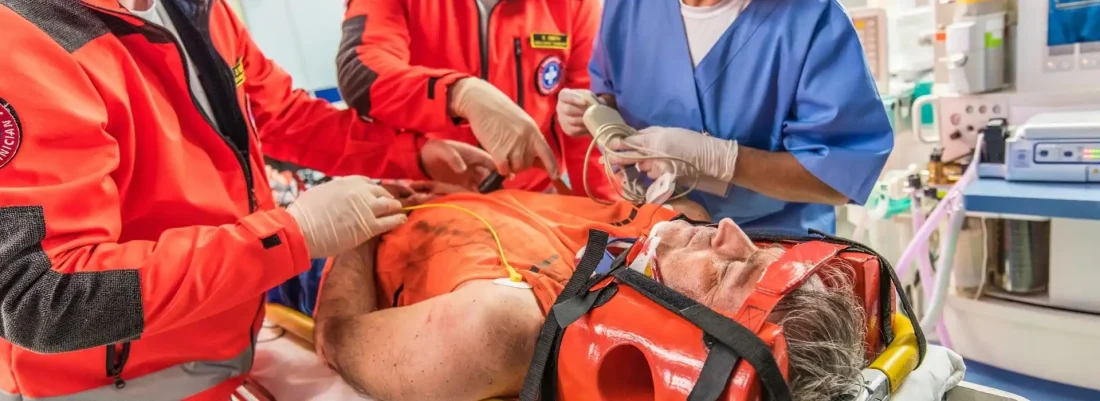
Structured tourist emergency support begins with professional symptom assessment. Trained medical coordinators evaluate severity, review medical history where available, and determine whether on-site treatment, outpatient consultation, hospitalization, or evacuation is appropriate. This prevents unnecessary transfers while ensuring serious conditions are escalated without delay.
Coordinated support also streamlines admission processes, insurer authorization, and communication with family members. Rather than navigating unfamiliar systems independently, travellers receive guided access to vetted healthcare facilities that match the medical need.
Early clarity reduces unnecessary movement, minimizes exposure during transit, and improves clinical outcomes. In environments where distance and facility standards vary significantly, coordinated medical response is not simply helpful. It is often decisive in protecting both health and safety.
Security and Safety Support for Tourists
Security incidents involving tourists can range from opportunistic theft and petty harassment to vehicle-related confrontations, protest activity, or inadvertently entering districts experiencing heightened political tension. In most established tourism corridors across Southern and East Africa, serious violent incidents affecting international visitors remain uncommon. However, uncertainty, misinformation, and reactive decision-making can significantly increase vulnerability during even minor disruptions.
The critical factor is not only the incident itself, but how it is managed in the first minutes. Panic may lead travellers to move toward unfamiliar areas, engage unnecessarily with volatile situations, or rely on unverified local advice. In environments where conditions can shift quickly, uncoordinated action often compounds risk rather than resolving it.
A structured tourist emergency support service introduces calm, informed guidance at the earliest stage. Risk is assessed objectively based on verified local intelligence, not rumor or social media noise. Travellers are advised whether to remain in place, relocate discreetly, adjust transport plans, or temporarily avoid specific districts.
When interaction with local authorities or private security providers is required, coordination is handled deliberately and proportionately. The objective is stabilization and safe resolution, not escalation. Communication is sequenced carefully, documentation is aligned with insurer or embassy requirements where necessary, and the traveller’s wellbeing remains central throughout.
In security-related events, clarity and control are protective factors. Calm, coordinated guidance reduces exposure time, prevents secondary risk, and ensures that decisions are measured rather than reactive.

Logistical and Practical Emergency Support
Not all emergencies are medical or security related. Lost passports, missed border crossings, transport disruptions, or stranded vehicles can leave tourists exposed and unsure how to proceed.
Tourist emergency support services assist with documentation replacement, safe transport arrangements, accommodation coordination, and onward travel planning. These practical interventions often make the difference between a stressful incident and a manageable inconvenience.
Emergency Support in Remote and Unfamiliar Locations
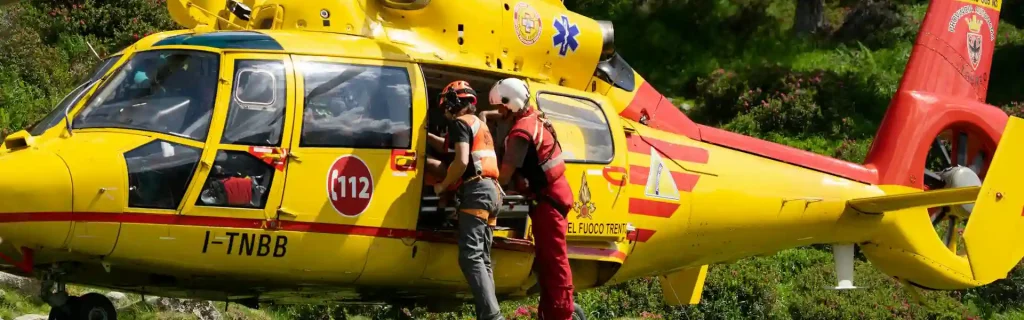
Remote destinations and unfamiliar environments significantly increase the operational complexity of any emergency. Safari concessions, island lodges, cross-border transit routes, and rural highways often sit far from urban infrastructure, advanced hospitals, or high-capacity emergency services. Distances are longer, terrain can be unpredictable, and response options may depend on daylight, weather conditions, or airstrip accessibility.
For travellers, the isolation that makes these destinations appealing can also limit immediate self-directed solutions during a crisis. Transport may require 4×4 vehicles, boats, or light aircraft. Mobile connectivity can fluctuate. Local facilities may provide stabilization but not advanced treatment.
In these settings, structured emergency support becomes essential rather than optional. The first priority is accurate location verification, ensuring responders know precisely where the traveller is situated. The second is realistic response planning based on terrain, infrastructure, and environmental conditions. Decisions must account for road quality, wildlife movement after dark, seasonal flooding, and available medical capability within reach.
Coordination with lodge management, regional evacuation providers, vetted medical facilities, and insurer-approved transport networks is sequenced carefully to prevent unnecessary movement or duplication. Assistance is deployed only when it improves safety or outcome.
Timeliness in remote Africa is not simply about speed. It is about deploying the right response, at the right time, through the safest route available. Structured coordination ensures that support is both rapid and appropriate to local conditions, minimizing exposure while maximizing effectiveness.

Why Tourist Emergency Support Improves Travel Confidence
Knowing that professional emergency support is accessible throughout a journey changes the way travellers experience Africa. Confidence replaces uncertainty. Decisions are made calmly rather than reactively. Whether navigating a remote safari concession, a coastal island, or a busy regional airport, travellers understand that if conditions shift unexpectedly, structured assistance is immediately available.
This reassurance extends beyond the individual traveller. Families and next of kin gain confidence knowing there is a coordinated system in place should anything arise. Clear escalation pathways, real-time communication, and professional oversight reduce the fear of isolation that often accompanies long-haul or multi-country African itineraries. The presence of structured support does not encourage risk. It enables informed, measured travel.
For tour operators and travel agents, integrating tourist emergency support strengthens duty of care in a meaningful and operational way. It demonstrates that safety planning extends beyond itinerary design and into real-time incident management. In competitive markets where clients seek both experience and assurance, access to centralized emergency coordination enhances credibility and trust.
Professional support is not only about crisis response. It is a strategic layer of preparedness that underpins the entire travel experience, ensuring that unexpected events are managed quickly, proportionately, and with the traveller’s wellbeing as the priority.

Download the Tourist Emergency Support Guide for Africa
Understanding how tourist emergency support services function allows travellers to approach African travel with clarity rather than assumption. Preparedness is not about expecting the worst. It is about recognizing that distance, infrastructure variability, and cross-border movement require structured planning. When travellers understand how incidents are assessed, escalated, and resolved, they make more informed decisions before and during their journey.
Professional emergency support operates through rapid alerting, centralized assessment, and coordinated deployment of appropriate responders. This includes medical providers, security partners, evacuation teams, insurers, embassies, tour operators, and next of kin. Clear communication and controlled sequencing reduce delays, prevent duplication, and minimize exposure to additional risk.
TravelSafe SOS provides coordinated emergency assistance across Southern and East Africa, covering key destinations including South Africa, Namibia, Botswana, Zimbabwe, Mozambique, Tanzania, Kenya, Rwanda, Uganda, Zambia, Lesotho, Eswatini, Mauritius, Madagascar, Seychelles, and Zanzibar. The service ensures that when conditions change unexpectedly, travellers are not left navigating unfamiliar systems alone.
Structured support at the right moment can determine whether an incident remains manageable or becomes prolonged and complex. By understanding how emergency assistance works, travellers position themselves for safer, more confident exploration across the region.
FAQs, Tourist Emergency Support Services
What is a tourist emergency support service?
A tourist emergency support service provides coordinated assistance to travellers facing medical, security, or logistical emergencies while travelling. It assesses incidents, guides decision-making, coordinates responders, and manages communication until the situation is resolved, ensuring travellers receive appropriate and timely help.
How does tourist emergency support differ from local emergency services?
Local emergency services vary by country and may be difficult for tourists to access or navigate. A tourist emergency support service offers centralized assistance that works alongside local services, coordinating response and guiding travellers through unfamiliar systems.
What types of situations require tourist emergency support?
Situations include medical issues, injuries, security concerns, lost documents, transport disruptions, and being stranded in remote areas. Even non-life-threatening incidents can benefit from structured support to prevent escalation and reduce stress.
How does emergency support help tourists who are travelling alone?
Solo travellers often lack immediate assistance during emergencies. Emergency support services provide guidance, coordination, and reassurance, helping solo travellers make safe decisions and access help without relying on strangers or unfamiliar systems.
Can tourist emergency support assist with non-medical problems?
Yes. Tourist emergency support includes logistical and practical assistance such as document replacement, transport coordination, accommodation support, and onward travel planning, which are common issues during travel disruptions.
Why should tourists arrange emergency support before travelling to Africa?
Arranging emergency support in advance ensures immediate access to help during critical moments. It removes uncertainty, shortens response time, and allows travellers to focus on their safety rather than navigating complex systems under pressure.