
How TravelSafe SOS Integrates Medical and Security Emergency Support
Medical and security emergency support is a critical requirement for travellers in Africa because incidents rarely fall into a single category. A medical emergency may occur in a remote location with security considerations, while a security incident may require medical assessment or evacuation. Treating these risks separately often leads to delays, confusion, and increased exposure to harm.
Travellers move through environments with varying healthcare standards, security conditions, and emergency response capabilities. Understanding how medical and security support work together helps travellers prepare realistically and reduces the risk of poor decision-making during high-stress situations.
If you want to understand how immediate response works in a real crisis, read our guide to real-time travel emergency support in Africa.
TravelSafe SOS provides integrated medical and security emergency support through a centralized coordination model. When an incident occurs, the control center assesses both medical and security factors simultaneously rather than sequentially. This ensures that response decisions consider the traveller’s health, safety, and environment together.
By coordinating medical providers, security resources, evacuation services, and logistics partners in parallel, TravelSafe SOS reduces response time and avoids conflicting actions. Family members, travel agents, insurers, and embassies can be informed in real time, ensuring transparency and aligned decision-making throughout the incident.

Medical Emergencies Faced by Travellers in Africa
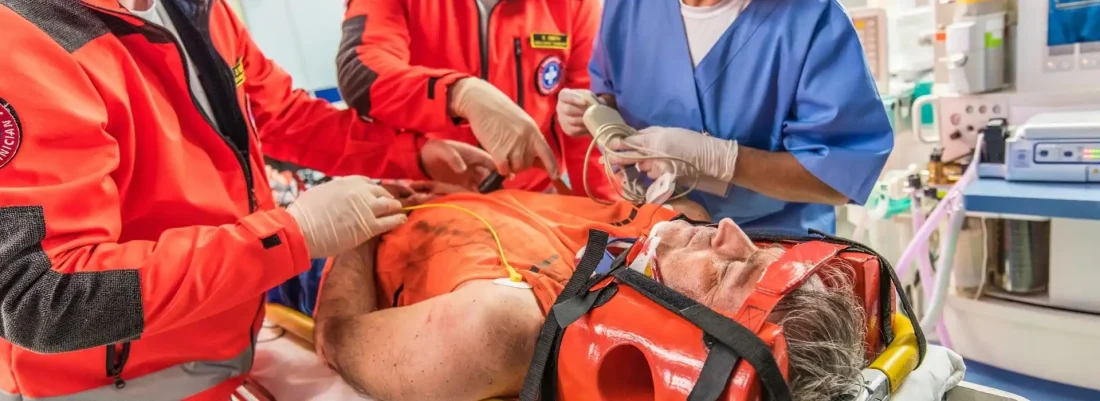
Medical emergencies affecting travellers include sudden illness, injuries, dehydration, infections, allergic reactions, and complications from pre-existing conditions. In safari regions, islands, and rural areas, access to advanced medical care may require significant travel or evacuation.
Medical emergency support focuses on early assessment, appropriate referral, and timely transport. Choosing the right facility and response pathway is often more important than speed alone, particularly in regions where medical capabilities vary.
Security Incidents That Require Professional Support
Security-related incidents involving travellers may include theft, harassment, road incidents, civil unrest, or being in areas of elevated risk. While serious incidents are relatively uncommon, uncertainty and panic can worsen outcomes if travellers act without guidance.
Security emergency support involves situational assessment, risk mitigation advice, safe relocation planning, and coordination with relevant authorities or private security resources when necessary. This structured approach reduces the likelihood of escalation and secondary incidents.
When Medical and Security Risks Overlap
Many travel emergencies involve overlapping medical and security concerns. For example, a vehicle accident may occur in a remote area with limited security, or a medical emergency may require transport through high-risk zones.
Integrated medical and security support ensures that response plans address both aspects simultaneously. This prevents scenarios where medical decisions increase security risk or security actions compromise medical care.
Evacuation Planning as Part of Emergency Support
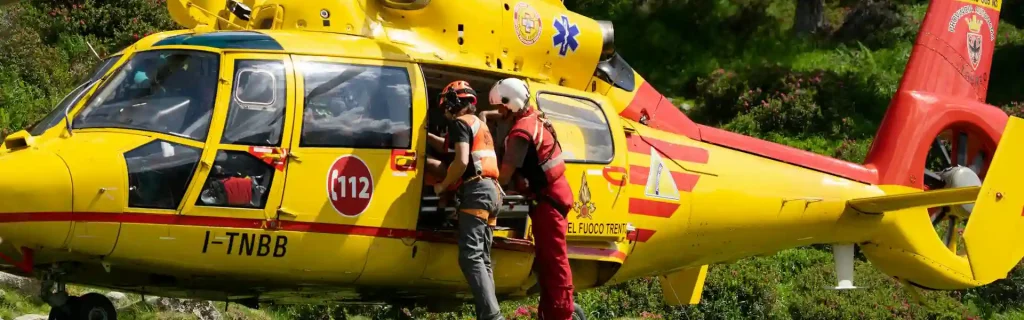
Emergency evacuation is often the most complex component of medical and security response. Evacuation planning considers medical urgency, transport availability, weather conditions, security environment, and regulatory requirements.
An effective emergency support service coordinates evacuation logistics carefully to ensure safe and timely transfer without unnecessary risk. This may involve ground transport, air evacuation, or cross-border coordination depending on the situation.

The Importance of Early Intervention and Coordination
Early intervention significantly improves outcomes in both medical and security incidents. Delays caused by uncertainty, miscommunication, or fragmented response can turn manageable situations into serious emergencies.
Integrated emergency support ensures that assessment, coordination, and action begin immediately. This reduces stress for travellers and increases the likelihood of safe, efficient resolution.
How Medical and Security Support Provides Peace of Mind
Knowing that professional medical and security support is available allows travellers to explore Africa with confidence. It reassures families and travel professionals that risks are actively managed rather than reacted to.
For tour operators and travel agents, integrated emergency support strengthens duty of care and demonstrates proactive risk management across diverse travel environments.

Download the Medical and Security Emergency Support Guide for Africa
Understanding how medical and security emergency support works helps travellers prepare realistically for African travel. TravelSafe SOS provides coordinated emergency support across Southern and East Africa, ensuring travellers are protected during critical incidents.
Frequently Asked Questions About Medical and Security Emergency Support in Africa
What is medical and security emergency support for travellers?
Medical and security emergency support is a coordinated system that manages health-related and safety-related incidents affecting travellers. It assesses risks, activates appropriate responders, coordinates evacuation when necessary, and ensures communication with relevant parties until the situation is resolved.
Why is integrated medical and security support important in Africa?
In Africa, emergencies often involve both health and safety considerations. Integrated support ensures that response decisions account for medical needs and security conditions simultaneously, reducing delays and preventing actions that could increase risk.
What types of medical emergencies require emergency support?
Medical emergencies include sudden illness, injuries, infections, dehydration, allergic reactions, and complications from chronic conditions. Emergency support ensures appropriate assessment, referral, and transport, especially in remote or unfamiliar regions.
What security incidents may require emergency support for tourists?
Security incidents include theft, harassment, road accidents, civil unrest exposure, or being in areas of heightened risk. Emergency support provides guidance, risk assessment, and coordination with authorities or private security resources when needed.
How does emergency evacuation work during medical or security incidents?
Emergency evacuation is planned based on urgency, location, transport availability, and safety conditions. Support services coordinate ground or air transport, permissions, and receiving facilities to ensure safe transfer without unnecessary delays.
Why should travellers arrange medical and security emergency support before travelling?
Arranging support in advance ensures immediate access to coordinated assistance during critical moments. It reduces response time, removes uncertainty, and allows travellers to focus on safety rather than managing complex systems under pressure.