


Self-Drive or Guided Safari? Understanding the Difference
One of the features that makes Kruger unique is the freedom it gives visitors.
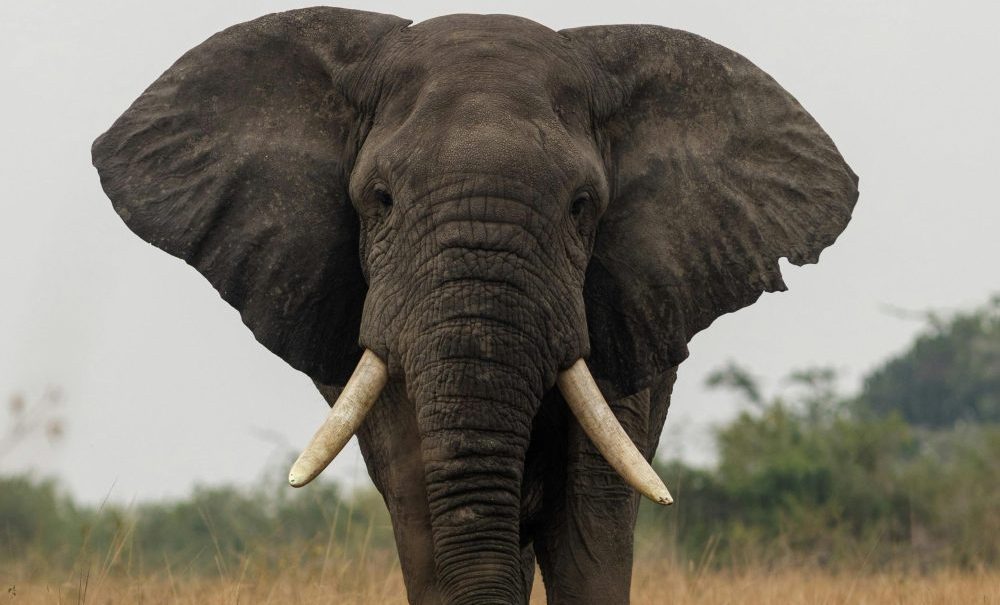
Unlike many safari destinations where every activity takes place with a professional guide, Kruger allows guests to explore much of the park independently using their own vehicles. This creates an extraordinary sense of discovery because every sighting feels personal. The excitement of finding a leopard before anyone else or watching elephants cross the road in complete silence is difficult to replicate elsewhere.
For first-time visitors, however, this freedom sometimes creates uncertainty.
Many wonder whether joining organised game drives would be safer.
The answer depends less on safety than on experience.
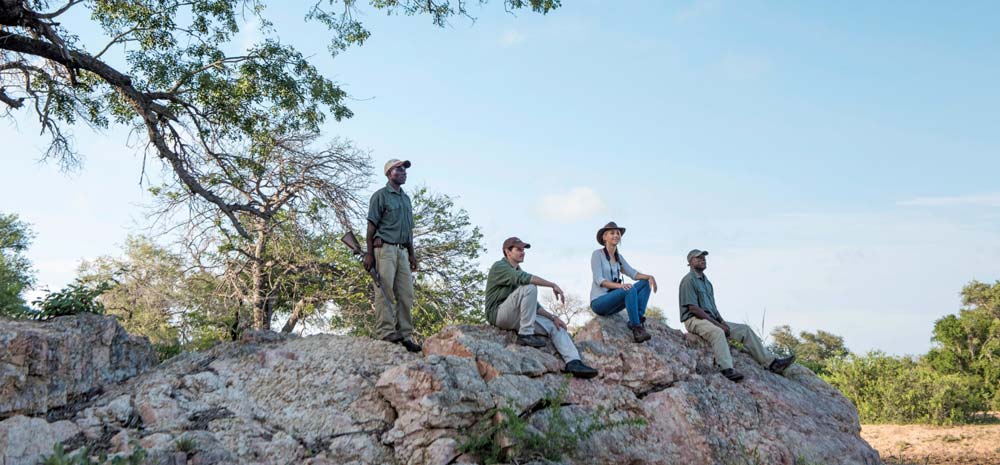
Professional guides bring years of field knowledge to every drive. They understand animal behaviour, interpret tracks, communicate with other rangers and know how seasonal weather influences wildlife movements. They often locate animals that independent visitors drive past without ever noticing. They also remove the responsibility of navigation, allowing guests to concentrate entirely on the experience.
Self-driving offers different rewards.
Visitors travel at their own pace, choose how long to remain at sightings and develop their own understanding of the bush. The roads are clearly marked, camps are well signposted and the park’s infrastructure has been designed specifically to make independent exploration straightforward.
Neither option is inherently safer.
Both rely on exactly the same principle.
Following the park’s rules.
Whether you are driving your own vehicle or sitting beside a professional ranger, safety depends upon respecting wildlife, maintaining appropriate distances and recognising that the bush operates according to its own rhythms rather than ours.
Experienced travellers often combine both approaches.
They enjoy the independence of self-driving during the day while joining guided sunrise or sunset drives to benefit from the knowledge of professional rangers and to experience the park during periods when private vehicle access is more limited.
Kruger’s Infrastructure Is One of Its Greatest Strengths
Visitors are often surprised by how well organised Kruger National Park feels.
Before arriving, many imagine an isolated wilderness with few facilities. What they discover instead is a carefully planned conservation area supported by an extensive network of tar and gravel roads, clearly marked intersections, fuel stations, restaurants, shops, picnic sites, medical assistance points and well-managed rest camps spread strategically across the park.
This infrastructure is one of the reasons Kruger remains so accessible to both experienced safari enthusiasts and first-time visitors.
Rest camps operate as small communities within the wilderness. Accommodation ranges from campsites to comfortable family bungalows and guest houses, while restaurants, shops and fuel stations allow visitors to travel confidently without carrying excessive supplies. The camps are fenced, monitored and designed to provide a secure environment where guests can relax after a day spent exploring the bush.
The road network is equally impressive.
Routes are planned to provide access to diverse habitats while minimising environmental impact. Speed limits are deliberately conservative because wildlife always has priority. Visitors who accept that game viewing is not a race quickly discover that slower driving produces better sightings, greater appreciation of the landscape and a far safer experience for everyone.
Perhaps the most overlooked aspect of Kruger’s infrastructure is communication.
Park staff, rangers, gate personnel and camp managers operate within a coordinated management system developed over many decades. Most visitors never see this network functioning because its purpose is to solve problems before they become visible.
Like the best hospitality anywhere in the world, the systems work quietly in the background.
Guests simply experience a safari that feels safe, organised and remarkably enjoyable.
The Journey to Kruger Is Often More Important Than the Time You Spend Inside It
One of the most overlooked aspects of planning a Kruger safari is that the journey to the park deserves as much attention as the safari itself.
Visitors spend months researching which rest camp to book, which gate offers the best access to wildlife or whether the southern or northern sections of the park will produce better sightings. Far fewer people think carefully about how they are going to reach the park, even though this is often where the greatest practical risks of the holiday are found.
For international visitors, the journey usually begins with an arrival in Johannesburg before continuing by road or domestic flight towards Mpumalanga. Others fly directly into one of the regional airports serving the park, while many South African families undertake long self-drive holidays from Johannesburg, Pretoria, Durban or Cape Town.
Unlike Europe or North America, driving distances in South Africa are substantial. Visitors who underestimate these distances often attempt to reach Kruger after long international flights, only to discover that fatigue becomes a greater hazard than anything they will later encounter inside the park.
Experienced safari operators plan differently.
They encourage early departures, realistic driving times and overnight stops where appropriate. They avoid unnecessary night driving because reduced visibility, livestock, pedestrians and wildlife become significantly more difficult to detect after dark. They understand that arriving at the gate relaxed and well rested creates a much better safari than arriving exhausted after rushing to meet gate closing times.
The journey forms part of the holiday.
When treated with the same care as the safari itself, it becomes another enjoyable part of the experience rather than an obstacle to overcome.
Medical Emergencies in Kruger Are Managed Through Preparation
One of the questions first-time visitors rarely ask before travelling is also one of the most important.
What happens if somebody becomes seriously ill while we are inside the park?
The answer illustrates why Kruger has earned such a strong international reputation.
Although visitors spend their days surrounded by wilderness, the park does not operate in isolation. Rangers, camp management, emergency services, regional hospitals and specialist medical providers work within established procedures that have evolved over many decades. Every year these systems quietly manage situations ranging from dehydration and allergic reactions to vehicle accidents and more serious medical emergencies.
Most visitors never become aware of this network because they never need it.
That is exactly how good emergency planning should work.
Medical incidents inside Kruger are far more likely to involve common travel problems than dramatic wildlife encounters. Dehydration during extremely hot weather, heat exhaustion after spending long hours driving, allergic reactions to insect bites, falls within rest camps or existing medical conditions requiring unexpected treatment occur far more frequently than animal-related injuries.
The important point is not whether help exists.
It does.
The important point is how quickly that help can be coordinated.
Knowing which gate is closest, which hospital is most appropriate, whether road transport is sufficient or whether aviation support should be considered are decisions that require local knowledge rather than internet searches.
Visitors can contribute significantly by carrying comprehensive travel insurance, ensuring regular medication is easily accessible, keeping emergency contact information readily available and informing travelling companions of any important medical conditions before entering the park.
Preparation reduces uncertainty long before an emergency ever occurs.
Confidence Comes from Understanding the Bush, Not Controlling It
One of the reasons Kruger National Park leaves such a lasting impression on visitors is that it reminds people they are entering a landscape that still belongs to nature.
Modern life teaches us that almost everything can be controlled.
Traffic lights regulate cities.
Technology predicts the weather.
Navigation systems calculate arrival times.
The bush operates differently.
Elephants decide when they will cross the road.
Lions sleep wherever they choose.
Heavy rain may temporarily close a gravel road.
A leopard sighting can delay traffic for half an hour simply because everyone wants a better view.
Visitors who embrace this rhythm usually enjoy Kruger far more than those trying to follow rigid schedules.
Experienced safari travellers rarely become frustrated by delays because they understand that unexpected moments often become the highlights of the journey. A traffic jam caused by elephants is not an inconvenience. It is exactly the reason people travelled halfway around the world.
Understanding this philosophy also improves safety.
Patience encourages slower driving.
Slower driving increases wildlife sightings.
More wildlife sightings create a richer safari while reducing unnecessary risk.
The park rewards observation rather than speed.
People who learn this lesson often discover that Kruger changes the way they think about travel long after they have returned home.
The Real Value of TravelSafe SOS in Kruger National Park
Kruger National Park is exceptionally well managed.
That does not mean unexpected situations never occur.
A child may develop a severe allergic reaction.
A visitor may experience chest pain during a game drive.
A vehicle may become stranded far from the nearest camp.
Someone travelling independently may lose communication while moving between remote sections of the park and accommodation outside the gates.
In situations like these, the greatest challenge is often not finding assistance.
It is coordinating everyone who needs to become involved.
TravelSafe SOS was designed specifically for journeys through destinations such as Kruger National Park, where travellers move between airports, rental vehicles, lodges, private reserves and national parks across several days or even several countries.
When the SOS function is activated, the TravelSafe SOS Control Centre immediately receives the traveller’s location and begins assessing the situation. Experienced coordinators can communicate with emergency medical providers, park management where appropriate, accommodation, travel insurers, vehicle rental companies, travel consultants and nominated next of kin to ensure that accurate information is shared quickly with everyone involved.
This coordinated approach removes much of the uncertainty that travellers naturally experience during emergencies.
Instead of wondering who to call first, visitors have one experienced coordination centre managing the response from beginning to end.
For travellers combining Kruger with destinations in Mozambique, Zimbabwe, Botswana, Zambia, Namibia or elsewhere in Southern and East Africa, that continuity becomes even more valuable because the same support remains available throughout the journey rather than ending at a national border.
Final Thoughts
Kruger National Park has become one of the world’s great safari destinations for a simple reason.
It consistently delivers extraordinary wildlife experiences while maintaining professional standards that allow millions of visitors to explore the African bush safely every year.
The park asks very little of its visitors.
Drive slowly.
Respect wildlife.
Remain inside your vehicle except where permitted.
Plan your day realistically.
Listen to experienced rangers.
Accept that nature, rather than the clock, determines much of what happens.
These are not restrictive rules.
They are the principles that allow people and wildlife to share one of Africa’s greatest conservation landscapes responsibly.
Visitors who understand this quickly stop thinking about whether Kruger is safe.
Instead, they begin thinking about where they might find lions the following morning, whether the elephants will still be near the river crossing or whether today’s leopard might still be resting beneath the same marula tree.
That change in perspective is perhaps the greatest indication of all.
Confidence replaces uncertainty.
Curiosity replaces concern.
The safari becomes exactly what it was always intended to be: an unforgettable encounter with one of the last great wildernesses on Earth.
Experience Kruger with Complete Confidence
Whether you are planning your first self-drive safari, travelling with young children or returning to Kruger after many years, preparation remains the foundation of a successful journey.
Download TravelSafe SOS before you travel and explore Kruger National Park knowing that professional emergency coordination is available throughout South Africa and across Southern and East Africa whenever you need it.