
Lost in Africa Safety Guide 2026
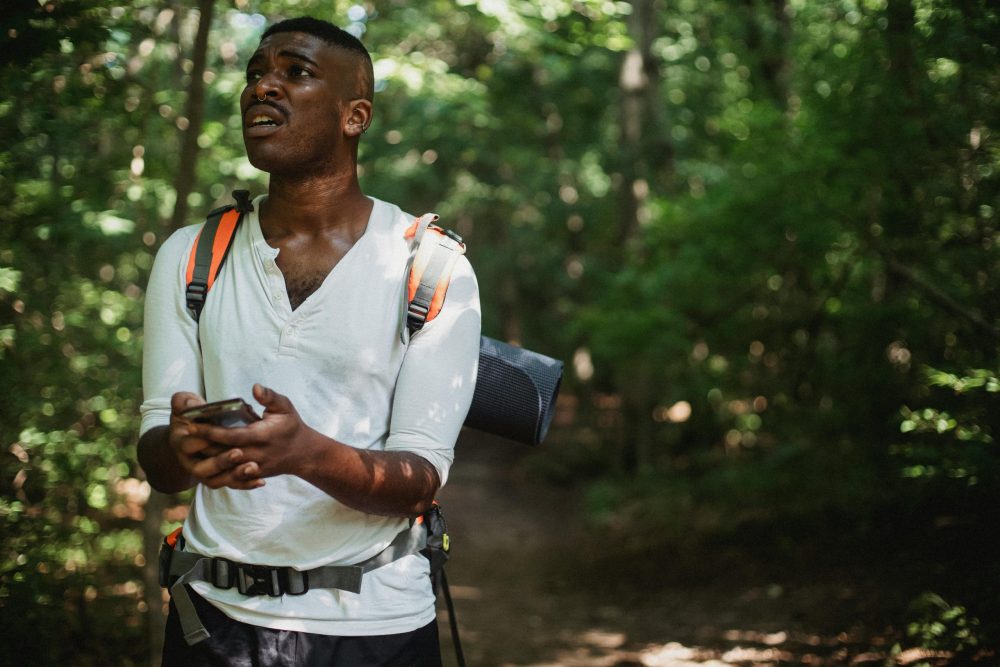
Getting lost in Africa can compromise safety while traveling in and be stressful, especially in remote national parks, long-distance road routes, or regions with limited mobile coverage. Whether you are hiking in Rwanda, self-driving in Namibia, or drifting too far from camp in the Serengeti, knowing how to respond calmly and safely is essential.
Modern tools like TravelSafe SOS provide offline support, last known GPS logging, and automatic emergency syncing once your phone regains signal, giving you a reliable backup even when you feel completely isolated.
Knowing how to respond calmly and safely is essential. This updated Lost in Africa Safety Guide explains what to do the moment you realize you’re lost.
First Steps When You Realise You Are Lost
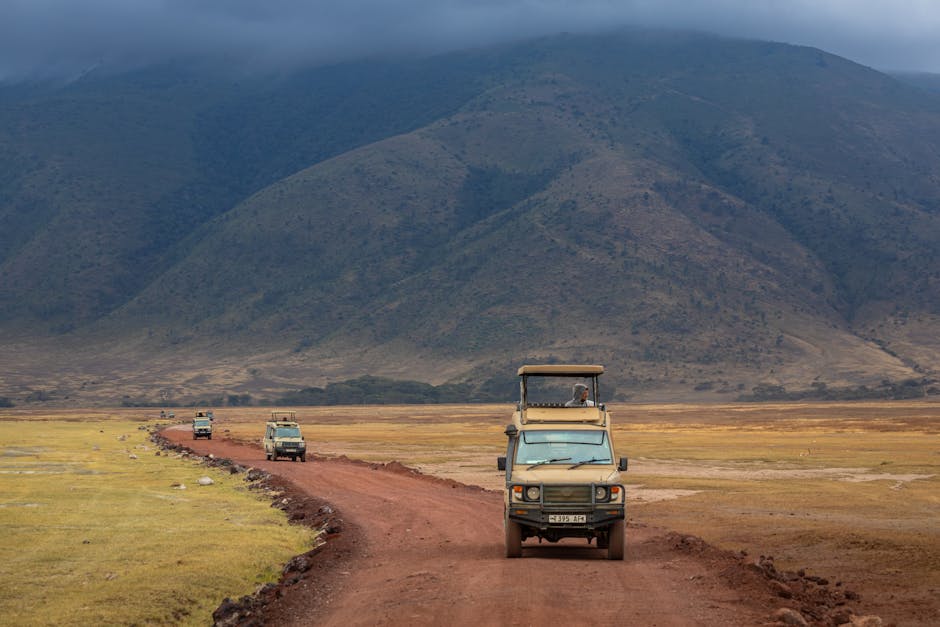
The most important reaction is to stay calm and stop moving blindly. Panic leads to poor decisions, wasted energy, and disorientation. Take a moment to assess your surroundings and retrace the last clear landmark, road sign, trail marker, or vehicle track you saw.
Check your device for any available navigation tools, including offline maps, downloaded trail routes, or stored pins from your itinerary. Modern phones can log your last location even without mobile service, giving you a starting point for orientation. Avoid wandering aimlessly, and conserve battery power until you have a deliberate plan.
Getting Assistance – Safety When You Are Lost in Africa
The TravelSafe SOS app control center is designed for true emergencies and should only be used when you feel unsafe or unable to find your way. Before escalating, contact your tour operator or someone on your itinerary who may have stronger connectivity. They often know the region, road conditions, weather disruptions, and recent safety issues better than anyone else.
Accommodation providers across Southern and East Africa have detailed local knowledge and real time updates from drivers, rangers, and guides. They can often reroute you, provide safe meeting points, or dispatch someone to assist. For self drivers and overlanders, this local insight is invaluable, especially in national parks or rural regions with limited signage.
As part of the Lost in Africa Safety Guide, it’s important to understand how tracking tools and itinerary sharing reduce search time.
What Happens if You Do Not Arrive at Your Destination
If you are using the shared location function on TravelSafe SOS and your contacts have your itinerary, they can notify your lodge or operator if you fail to arrive on time. The last GPS pin recorded on your app becomes a critical reference point. This reduces search time and gives responders a clear zone to work from once your device reconnects.
Because mobile reception in Africa is inconsistent, share your ETA and updated location whenever you regain network. This small action can dramatically reduce risk during long journeys.
What to Do When You Have No Mobile Signal
Always travel with a fully charged phone and a high capacity power bank. Even without signal, your phone can still store offline maps, log GPS coordinates, and activate emergency alerts once connectivity returns. In remote locations like the Serengeti, Okavango Delta, or Bazaruto Archipelago, battery life is your most valuable asset.
Try Emergency Calling from the Lock Screen
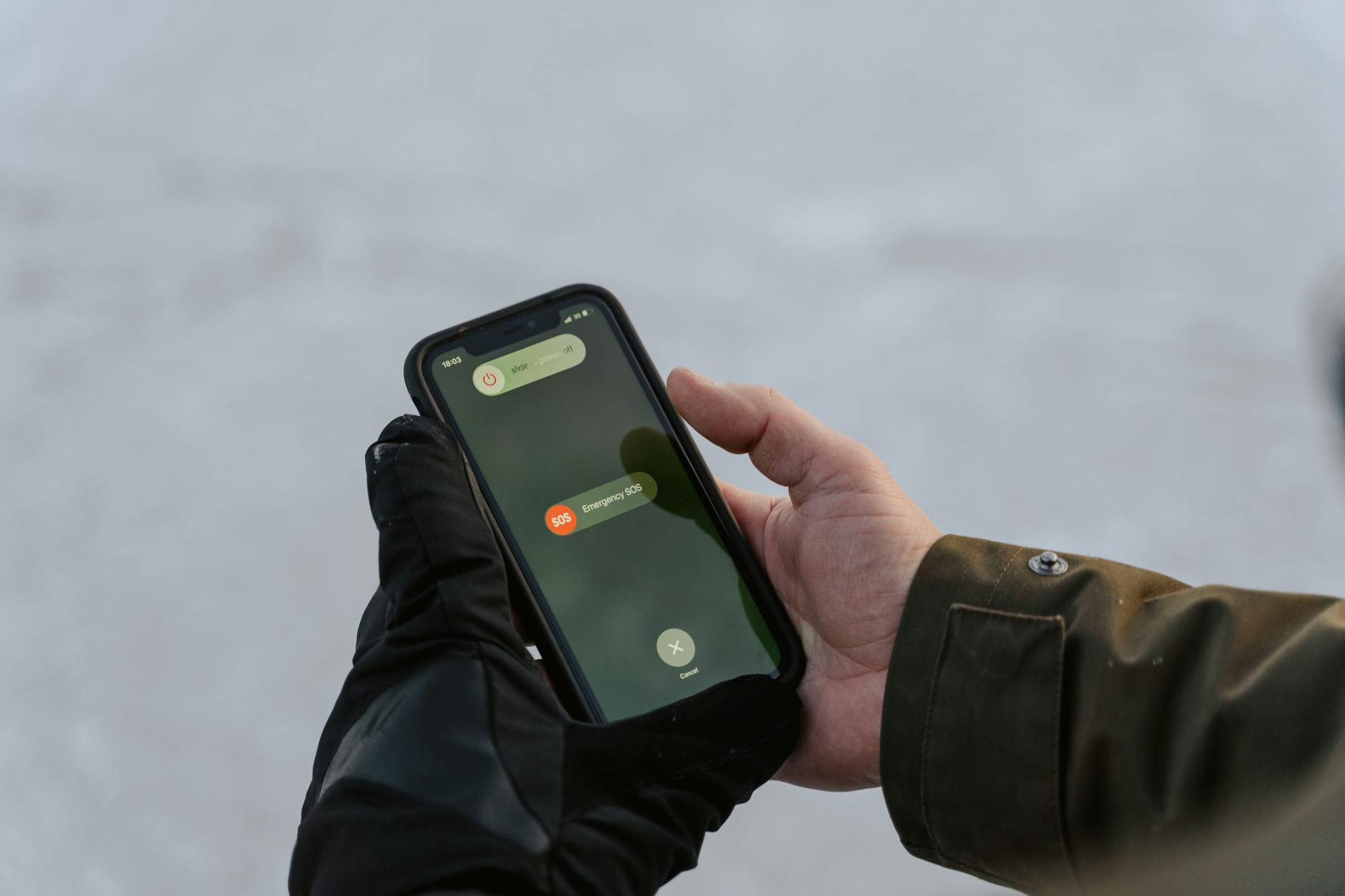
Many mobile devices allow emergency calls from the lock screen, even with limited or no service. Check for the emergency call button and test the feature before your trip. Some devices also display your last detected location on screen, which can be helpful when speaking to a ranger or passerby.
If safe, move to higher ground or look for an open area where signal may return. Stay patient and avoid unnecessary movement.
Alternative Ways to Contact Help
Your chosen network may have no service, but another local network might still be available. Manually searching for available networks can sometimes restore basic calling ability.
If you find a lodge, ranger station, farm, or roadside business, ask to use a landline or their mobile device. Always keep the TravelSafe SOS control number written down so that you can call without relying on your phone’s memory.
If you encounter Wi-Fi, use it immediately to:
• send messages
• make Wi-Fi calls
• refresh your TravelSafe SOS app
• update your location
When the app reconnects, stored alerts are automatically sent and your emergency log updates in real time.
When All Else Fails: Asking for Help on the Ground
If you are lost in Africa, concerned about safety and have no communication tools, seeking help from people nearby is the safest option. In rural African communities, locals are often knowledgeable about nearby roads, landmarks, and safe escape routes. Wave down passing vehicles, approach staffed buildings, or ask at small shops or tourism centers.
Travelers often hesitate to ask for assistance, but most people are willing to help and understand the challenges of long distance travel. Staying calm, staying visible, and seeking help early increases your chances of a quick and safe resolution.
Stay Calm, Stay Smart, Stay Connected
Being lost in Africa does not have to escalate into a crisis. Preparation, awareness, and a reliable safety tool are the keys to staying protected. The TravelSafe SOS app provides offline emergency creation, GPS logging, location sharing, and human-led response that activates as soon as your device reconnects. Whether driving across Namibia, hiking in Uganda, or navigating village roads in Mozambique, you are never truly alone with the right support system in place.
With the right preparation, awareness and tools, the Lost in Africa Safety Guide becomes your roadmap for staying safe even in remote areas.