

Understanding How Emergency Services Work Across Africa
Travelling in Africa is an extraordinary experience, but visitors often feel unsure about how emergency services work across different countries. Response systems vary between nations, urban and rural areas operate differently, and travellers may hesitate to call for help because they are unsure which situations qualify as emergencies. Understanding how emergency services in Africa function helps travellers respond confidently and appropriately during unexpected situations.
TravelSafe SOS as Your Emergency Access Point
Emergency services in Africa operate differently from Western systems, and response times may be slower in rural or wildlife regions. TravelSafe SOS bridges this gap by providing immediate contact with trained responders who coordinate assistance on your behalf. The app reaches ambulance services, security teams, and private responders depending on the situation and location. This reduces delays and ensures that travellers get help even when signal temporarily drops or confusion arises during stressful moments.
If you are travelling Africa alone or with family, download TravelSafe SOS for Android or iPhone so you never have to figure out which emergency number to call under pressure.


When Should Travellers Use Emergency Services?
Travellers should call emergency services when any situation involves immediate danger, severe medical issues, or circumstances that require professional intervention. These include:
- chest pain or difficulty breathing
- severe allergic reactions
- major injuries
- suspected fractures or head injuries
- violent crime or security threats
- missing persons
- motor vehicle accidents
- wildlife encounters gone wrong
- suspected malaria complications
Early intervention improves outcomes significantly. See how TravelSafe SOS can and will support you when you need it most!
Country by Country Variations
Emergency services in Africa differ widely depending on the country. Key differences include:
- universal toll free numbers are not consistent
- rural areas may rely on private responders
- national parks often use ranger based emergency systems
- major cities have fast private ambulance networks
- some regions depend on community policing forums
This makes it difficult for travellers to know which number reaches the correct responders.

Emergency Services in Urban Areas
Cities such as Nairobi, Johannesburg, Cape Town, Dar es Salaam, Kigali, and Lusaka have well organised emergency networks. These include:
- private ambulance services
- trauma specialists
- rapid response police units
- fire and rescue services
- emergency control centres
However, traffic and load shedding can slow response times.
Emergency Services in Rural or Wilderness Areas
Safari parks, mountain regions, islands, and desert areas rely on a different structure:
- rangers respond first
- lodges provide first line medical support
- satellite phones are used for alerts
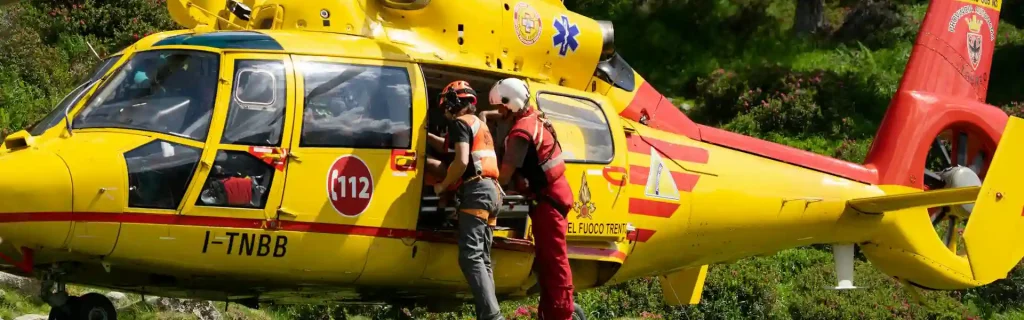
- helicopters are dispatched depending on severity
- evacuation to nearest hospital may take time
Travellers must understand that distances influence speed.

How to Communicate During an Emergency
Clear communication saves time. Travellers should:
- state their location or nearest landmark
- describe the injury or issue
- mention allergies or medications
- stay calm and answer questions
- avoid moving the patient unless necessary
TravelSafe SOS simplifies this by sending your GPS location and medical profile automatically.

What to Expect During an Emergency Response
Depending on location, travellers may receive:
- paramedic response
- ranger support
- lodge based assistance
- helicopter evacuation
- security team deployment
Each situation is assessed individually.
Know When to Ask for Help
Using emergency services in Africa does not need to be confusing. With the right information, preparation, and support tools, travellers can get help quickly and confidently whenever needed. TravelSafe SOS ensures expert coordination and a reassuring voice during challenging moments.
FAQs Africa Emergency Services
Are emergency services reliable in Africa?
Emergency services in Africa vary widely between regions. Major cities such as Nairobi, Johannesburg, Lusaka, Dar es Salaam, and Kigali have reliable private ambulance networks supported by trained paramedics. Rural or wildlife areas may experience longer response times due to distance, road conditions, and limited infrastructure. This is why many travellers rely on lodge response teams, national park rangers, and medical evacuation partners. Using TravelSafe SOS strengthens reliability because the control center coordinates the fastest available responder, selecting private, lodge, or specialised resources depending on your exact location.
What emergency number should I use in Africa?
There is no single universal emergency number across Africa. Each country has its own system, and even within the same country, response quality can differ between regions. During high stress situations, travellers often forget local emergency codes or struggle to find the right contact quickly. TravelSafe SOS removes this uncertainty by giving you one button that contacts a 24 hour human response center. They immediately call you, verify the emergency, and connect you to the correct responder for that country and region.
How fast are ambulance services in major African cities?
Ambulance response times in major African cities are generally fast when using accredited private providers. In cities such as Johannesburg, Nairobi, Kigali, and Windhoek, response teams often arrive within minutes depending on traffic and time of day. Travellers staying in or near city centres typically receive quick assistance, especially when hotels or travel insurers work with established private networks. For maximum efficiency, visitors should save local ambulance contacts or rely on safety apps that can reach the correct service automatically.
Who handles emergencies in national parks?
In national parks, first response typically comes from rangers who are trained in wildlife behavior, basic medical care, and emergency extraction. Lodges also maintain emergency protocols and liaise directly with park authorities and medical evacuation partners. These systems work exceptionally well for wildlife encounters, vehicle incidents, or lost hiker situations. Travellers should always follow rangers’ instructions and avoid entering restricted areas without permission.
Should travellers rely only on public emergency numbers?
No. Public emergency systems can vary in reliability and speed between regions. Travellers are advised to use multiple layers of support including lodging contacts, private ambulance providers, and safety apps like TravelSafe SOS. Having several pathways to assistance reduces delays and ensures you can reach help even if one channel is overloaded or unavailable.
Can emergency services handle wildlife injuries?
Yes. Rangers, lodge personnel, and specialised responders across Africa are trained to manage wildlife related incidents. They are familiar with animal behavior, safety protocols, and the logistics of evacuating injured visitors to appropriate medical facilities. Helicopter and fixed wing evacuation partners may also be activated depending on severity and location. Quick reporting and staying with licensed guides greatly increases safety outcomes.
Do all travellers need emergency support apps?
Yes. Africa’s incredible diversity also brings variations in signal strength, road networks, and responder availability. An emergency support app like TravelSafe SOS provides a critical backup layer by connecting travellers to trained human responders, even when they are unsure which local number to call. The app shares your GPS coordinates, monitors your movements during activities and transfers, and ensures help is deployed quickly across both Southern and East Africa.