
Why Africa Travel Insurance 2026 Needs Real Time Support to Be Complete
Travel insurance has always been considered essential for trips to Africa. It covers medical bills, lost luggage, flight cancellations, and the financial impact of unexpected events. Yet many travellers mistakenly believe their insurance will send help during an emergency. In reality, insurance pays the costs after the incident, but it does not coordinate response, dispatch local services, or assist travellers during the critical first moments of a crisis.
Africa Travel Insurance 2026 explains the difference between traditional insurance and modern safety apps. Understanding how they complement each other is essential for safe travel across Southern and East Africa.
What Travel Insurance Actually Covers
Insurance is designed to provide financial protection. It reimburses travellers for losses or expenses related to:
- Medical treatment
- Evacuation costs
- Theft or loss of personal items
- Flight delays and cancellations
- Trip interruptions
- Accommodation issues
These benefits are valuable, but they do not provide real time guidance during emergencies. Travellers often learn this only after experiencing a crisis without support.

What Travel Insurance Does Not Do
Many travellers assume their insurer will guide them or coordinate rescue efforts. This is not true. Insurance does not:
- Dispatch medical teams or security responders
- Call travellers back during an emergency
- Provide real time guidance
- Track GPS location
- Provide alerts or warnings about local risks
- Coordinate with safari lodges, park rangers, or local police
- Assist travellers when mobile signal is weak
This creates a gap between the moment an incident happens and the moment insurance becomes useful.
Why Africa Requires More Than Insurance Alone
Africa is safe for millions of visitors every year, but its vast distances, varied infrastructure, and rural environments create conditions where travellers need active support. Travellers may face:
- Weak signal in national parks and remote areas
- Limited medical facilities outside major cities
- Long distances to hospitals
- Intermittent emergency services depending on the region
- Unfamiliar driving conditions
- Transport challenges during weather disruptions
- Dense, busy urban environments where quick decisions matter
These factors make real time assistance essential.
How TravelSafe SOS Fills the Emergency Response Gap
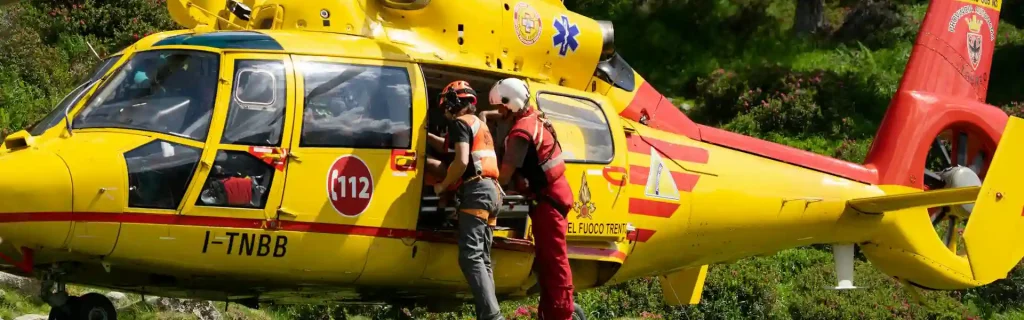
TravelSafe SOS complements traditional insurance by providing immediate action rather than reimbursement. When travellers activate the SOS button, the 24 hour control center calls instantly, verifies the situation, and coordinates the appropriate response. This can include medical teams, security responders, park rangers, roadside assistance, or marine rescue depending on the location.
This approach provides what insurance cannot offer: real time help during the incident.
Key Differences Between Travel Insurance and TravelSafe SOS

Response Time
Insurance does not respond in real time. TravelSafe SOS does.
Practical Support
Insurance reimburses costs. TravelSafe SOS provides on the ground help.
Location Awareness
Insurance companies do not track GPS locations. TravelSafe SOS uses precise coordinates to send help.
Multi Country Mobility
Insurance works globally but does not coordinate local emergency systems. TravelSafe SOS works across Southern and East Africa with regional responders.
Low Signal Capability
Insurance cannot function without direct communication. TravelSafe SOS stores emergency data offline and sends alerts automatically when signal returns.
Real Life Scenarios Where TravelSafe SOS Makes the Difference
Medical Emergency in a National Park
Travellers can experience dehydration, allergic reactions, injuries, or illness in remote areas. TravelSafe SOS coordinates immediate action while insurance covers later costs.
Vehicle Breakdown on a Remote Highway
Roads in Namibia, Botswana, Tanzania, and Mozambique can be isolated. TravelSafe SOS arranges assistance and keeps travellers safe.
Feeling Unsafe in a Major City
In Nairobi, Maputo, Dar es Salaam, or Johannesburg, travellers sometimes face uncomfortable situations. TravelSafe SOS provides guidance and alerts appropriate local resources.
Hiking or Diving Incident
Outdoor activities require quick communication. TravelSafe SOS supports travellers even in difficult terrain or offshore locations.
Why Travellers Need Both Insurance and a Safety App
Insurance protects finances. TravelSafe SOS protects travellers during the incident. Together, they create a complete safety solution. This combination is especially important in Africa where distances, signal strength, weather patterns, and regional infrastructure vary widely.
This dual approach is becoming the new standard for responsible travel in 2026.
How Travel Operators and Agents Should Explain the Difference
Travel companies should educate clients clearly:
- Insurance pays for treatment. It does not send help.
- Safety apps provide real time response across multiple African countries.
- Emergency coordination is essential in safari and island destinations.
- Travellers remain supported even when alone or out of signal.
Clear communication improves traveller confidence and reduces risk during complex itineraries.
Travel Safe and Protected With Real Time Support Across Africa
Travel insurance pays the bills after an incident, but a safety app provides the guidance and coordination travellers need while the emergency is happening. TravelSafe SOS offers instant contact with trained operators, accurate location tracking, and direct coordination with responders across Southern and East Africa. When used alongside travel insurance, it gives travellers the strongest possible protection during their journey.
Download TravelSafe SOS for immediate access to help, guidance, and coordinated response anywhere in Africa. It ensures travellers receive real time support during emergencies while insurance handles the financial side afterward, giving you complete protection for 2026 travel.


FAQS Africa Travel Insurance vs Travel Safety Apps
Is travel insurance enough for a trip to Africa
Insurance is essential, but it is not enough for emergency support. Travellers also need a safety app like TravelSafe SOS that provides real time assistance.
Does travel insurance send help during an emergency
No. Insurance does not dispatch responders or coordinate rescue efforts. It covers costs after the incident.
Why is a safety app important for Africa
Because Africa has remote wilderness areas, long distances, and varied emergency services. A safety app provides immediate guidance and support.
Does TravelSafe SOS replace insurance
No. It complements insurance by supporting travellers during the incident while insurance pays for expenses afterwards.
Will safety apps work if my phone has no signal
TravelSafe SOS stores your SOS request offline and transmits it once signal returns. The control center then calls and coordinates help.
Should solo travellers rely on insurance only
No. Solo travellers need real time support because they may have no one nearby to call local services or provide assistance.
Are safety apps popular in Africa in 2026
Yes. Travellers increasingly rely on digital safety tools because they combine emergency response, location tracking, and regional alerts.