
Is Zanzibar Safe? Country Risk, Security Conditions, and Travel Overview
Zanzibar’s National Security Environment and Structural Risk Profile
Zanzibar is a semi autonomous archipelago within the United Republic of Tanzania. It operates under its own president and internal governance framework while remaining linked to mainland Tanzania for defense and foreign affairs. It is heavily tourism dependent and structurally calmer than many mainland urban centers in East Africa.
A credible assessment of whether Zanzibar is safe must separate political sensitivity from tourist exposure. Zanzibar does not face insurgency, organized militant activity, or widespread violent instability. Its risk profile is shaped more by petty crime, marine safety standards, infrastructure variability, and periodic political protest during election cycles.
Security presence is visible in Stone Town and near key government buildings. This reflects political oversight rather than instability.
Primary risk variables relevant to visitors include:
- Petty theft in Stone Town and urban areas
- Road accident exposure
- Marine safety variability with informal operators
- Limited advanced medical capacity
- Political protest risk during elections
- Cultural sensitivity compliance
For structured international visitors operating within established resort and safari extensions, the probability of serious harm remains low.
Geographic Risk Differentiation Across Zanzibar
Zanzibar’s safety profile varies by district and activity type.
Stone Town
The historic center experiences opportunistic petty theft, particularly in crowded markets and narrow alleyways. Crime is usually non violent and economically motivated. Night movement in poorly lit areas increases exposure.
Northern Beaches
Nungwi and Kendwa operate as structured resort environments. Crime against tourists is rare and generally limited to petty theft.
East Coast
Resort zones such as Paje and Matemwe are tourism focused and relatively calm. Marine safety becomes a more significant variable than crime.
Rural Interior
Low crime exposure but limited infrastructure and slower emergency response times.
Zanzibar’s risk landscape is urban concentration driven rather than violence driven.
Urban Crime Patterns and Visitor Exposure
Zanzibar’s crime rate targeting tourists is relatively low. Violent crime against visitors is uncommon.
Most common exposures include:
- Pickpocketing
- Bag snatching
- Phone theft
- Beach theft of unattended items
- Informal tour scams
Scenario Model 1
Visitor leaving valuables unattended on the beach while swimming. Exposure risk increases due to opportunistic theft.
Scenario Model 2
Visitor using secure hotel storage, avoiding isolated night movement, and keeping valuables concealed. Exposure remains low.
Crime risk in Zanzibar is opportunistic and situational rather than organized targeting of foreign visitors.
Political Stability and Election Cycle Risk
Zanzibar has experienced political tension during past election cycles. Protests may occur, primarily in urban areas.
Key characteristics:
- Protests are localized
- Security response is rapid
- Tourists are rarely targeted
- Road disruption is the primary indirect exposure
Political tension typically centers around electoral processes rather than tourism infrastructure.
Visitors should avoid political gatherings and monitor advisories during election periods.
Marine and Coastal Safety Environment
Marine exposure represents one of Zanzibar’s primary safety variables.
Risk factors include:
- Strong tidal currents
- Sudden drop offs near reefs
- Informal boat operators with inconsistent safety standards
- Limited life jacket compliance
- Diving without certified instructors
Resort based operators typically follow higher safety standards than informal beach vendors.
Marine accident probability exceeds violent crime probability for many visitors.
Structured excursions with verified operators materially reduce exposure.
Road Transport and Infrastructure Risk
Road accident risk exceeds violent crime risk for many visitors.
Contributing factors include:
- Narrow coastal roads
- Limited night lighting
- Motorbike congestion
- Variable driver standards
- Livestock crossings
Motorbike rental without helmets significantly increases injury probability.
Structured transfers arranged through hotels reduce exposure compared to informal taxi use.
Healthcare Infrastructure and Emergency Capacity
Zanzibar’s advanced medical capability is limited.
Capabilities include:
- Basic private clinics
- Limited trauma stabilization
- Restricted specialist availability
Serious medical emergencies typically require evacuation to:
- Dar es Salaam
- Nairobi
- Or South Africa
Air evacuation logistics depend on weather and aircraft availability.
Travel insurance with evacuation coverage is essential for visitors.
Response delays are more likely linked to infrastructure constraints than violence.
Cultural and Legal Considerations
Zanzibar operates under a predominantly Muslim cultural framework.
Risk variables include:
- Public alcohol restrictions in certain areas
- Dress code expectations in Stone Town and villages
- Strict drug laws
- Sensitivity during religious periods such as Ramadan
Failure to respect local norms may result in fines or confrontation.
Cultural compliance reduces exposure and improves overall safety profile.
Environmental and Seasonal Risk
Zanzibar experiences:
- Heavy rainfall during long rains
- Coastal flooding
- Heat exposure
- Malaria risk
- Tropical storm systems
Environmental factors affect logistics and health planning more than personal security.
Flooding may temporarily impact road access to certain beach zones.
Risk Probability by Travel Structure
Lower Exposure Profile
- Guests in established beach resorts
- Structured diving operations
- Verified transfers
- Guided Stone Town tours
Higher Exposure Profile
- Informal marine excursions
- Independent night movement in urban areas
- Unverified motorbike rental
- Ignoring cultural norms
Structured travel materially reduces exposure in Zanzibar.
Operational Preparedness for Zanzibar
Effective safety management includes:
- Using certified marine operators
- Avoiding isolated urban areas after dark
- Respecting cultural dress and conduct norms
- Ensuring evacuation coverage
- Implementing malaria prevention
- Monitoring election period advisories
Zanzibar is not characterized by systemic violence or insurgency risk. It is characterized by marine safety variability, infrastructure limitations, localized petty theft, and periodic political sensitivity.
TravelSafe SOS provides centralized 24 hour coordination across Zanzibar’s resort zones, Stone Town, marine corridors, and cross border connections to mainland Tanzania, strengthening escalation clarity in environments where medical access and infrastructure capacity may be inconsistent.
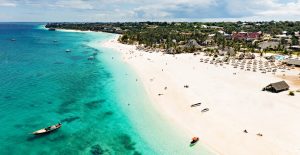
Is Zanzibar Safe for Tourists Guide
Understanding Zanzibar Travel Safety in 2026 Zanzibar is widely considered
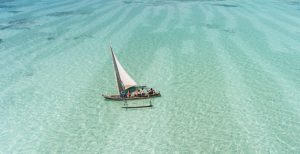
Is Zanzibar Safe for Tourists
Understanding Zanzibar Travel Safety Zanzibar is one of East Africa’s
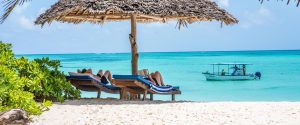
Is Zanzibar Safe to Travel To?
Zanzibar is one of Africa’s most beautiful island destinations. Its
Frequently Asked Questions
Is Zanzibar safe for tourists
Zanzibar is generally safe for tourists operating within established resort and tourism areas. Violent crime targeting visitors is uncommon. Risk is more frequently linked to petty theft, marine conditions, and infrastructure limitations rather than systemic violence against international travelers.
Is Stone Town safe at night
Stone Town is relatively safe in central areas but poorly lit alleys increase exposure after dark. Petty theft is the most common risk. Using guided tours or trusted transport significantly reduces exposure compared to independent night movement.
Are Zanzibar beaches safe for swimming
Most resort beaches are safe when swimming within designated areas. Strong tidal currents and reef drop offs present hazards in certain zones. Swimming without supervision or ignoring local safety advice increases risk.
Is political unrest a risk in Zanzibar
Political protests can occur during election cycles but are typically localized. Tourists are rarely targeted. The primary exposure risk is road disruption rather than direct violence. Monitoring advisories reduces indirect exposure.
Does Zanzibar have good hospitals
Zanzibar has basic private clinics but limited advanced trauma capability. Serious medical emergencies usually require evacuation to mainland Tanzania or another regional hub. Travel insurance with evacuation coverage is strongly recommended.
What is the biggest safety risk in Zanzibar
Marine safety variability and infrastructure limitations present greater practical risk than violent crime for most visitors. Using certified operators and structured accommodation significantly reduces exposure.