
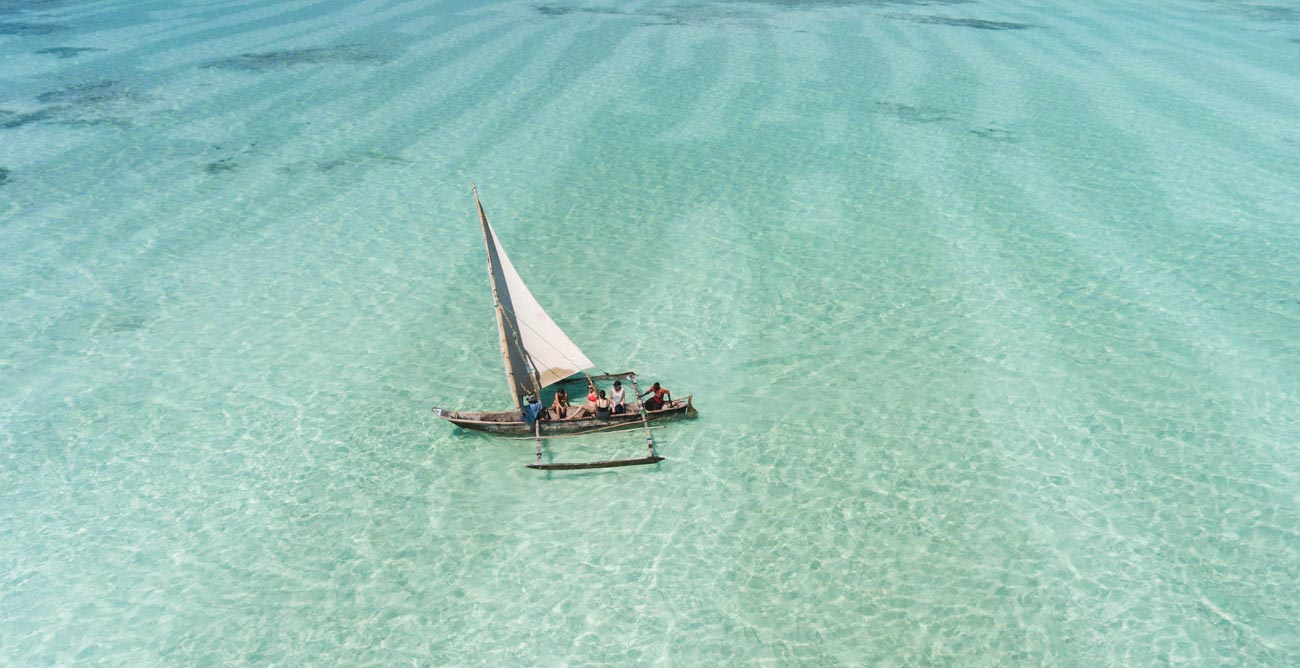
Understanding Zanzibar Travel Safety
Zanzibar is one of East Africa’s most established beach destinations, known for its coastline, historic Stone Town, and well-developed tourism infrastructure. It attracts travellers year-round, often as a beach extension to a mainland Tanzania safari.
Overall, Zanzibar is considered safe for tourists, particularly within established resort areas and structured travel environments. Most visitors experience no serious issues during their stay.
However, safety in Zanzibar is not defined by the absence of risk. It is defined by how travellers move, where they stay, and how prepared they are to respond if something goes wrong.
The island presents a different safety profile from mainland cities. Violent crime is low, but risks linked to petty theft, health, transport, and limited medical infrastructure are more relevant.
Understanding how Zanzibar works as a destination is the key to travelling it safely.
Where Zanzibar Is Safest for Tourists
Zanzibar’s safety is strongest in its main tourism zones.
The northern beaches of Nungwi and Kendwa, as well as the east coast areas such as Paje and Jambiani, are well-developed and supported by resorts, lodges, and regular tourist activity. These areas provide a structured environment where risk is low.
Stone Town is safe during the day and widely visited, but requires more awareness due to crowds, narrow streets, and higher levels of petty crime.
Risk increases slightly:
at night in quieter areas
outside main tourist zones
when moving without planned transport
The key distinction is not geography alone, but structure. The more structured the environment, the lower the risk.
Crime Risk and What Travellers Actually Experience
Crime in Zanzibar is generally low and rarely violent, particularly in resort areas.
The most common issues include:
petty theft
pickpocketing in busy areas
minor scams targeting tourists
These incidents are opportunistic rather than targeted.
Risk increases in predictable situations:
leaving belongings unattended
walking alone at night
displaying valuables
moving through unfamiliar areas
Most travellers who follow basic precautions experience little to no disruption. Zanzibar is not a high-crime destination, but awareness still matters.
Transport and Movement on the Island
Transport in Zanzibar is straightforward but requires planning.
Road conditions vary, driving standards can be informal, and signage is limited in some areas.
Most travellers rely on:
hotel-arranged transfers
registered taxis
guided excursions
Independent driving is less common and not typically necessary.
The most important safety factor is movement between locations. Arranging transport in advance reduces uncertainty and improves overall safety, particularly when travelling to and from the airport or between Stone Town and beach areas.
Healthcare and Emergency Access
Healthcare in Zanzibar is limited compared to mainland cities.
Basic medical care is available through clinics and smaller facilities, but advanced treatment often requires transfer to Dar es Salaam or another regional centre.
This creates a gap between incident and treatment, particularly for serious conditions.
For travellers, the key consideration is not just where care exists, but how quickly it can be accessed.
Island environments introduce delays, and response often depends on coordination rather than proximity.
Health and Environmental Risks
Health risks in Zanzibar are generally manageable but should be understood.
These include:
malaria risk at a low to moderate level
heat and dehydration
sun exposure
food and water hygiene
Malaria risk is lower than in many mainland regions but still present, particularly in humid coastal environments.
These risks are predictable and manageable with preparation and consistent precautions.
When Risk Increases in Zanzibar
Risk in Zanzibar is not constant. It increases in specific situations.
Night movement, particularly in quiet or unfamiliar areas, increases exposure to petty crime.
Unplanned transport, especially informal taxis, can introduce uncertainty and safety concerns.
Health-related risks increase when symptoms are ignored or treatment is delayed.
The pattern is consistent. Risk increases when structure and planning decrease.
Practical Safety Advice for Zanzibar
Simple decisions significantly improve safety.
Use arranged transport for all major movements
Avoid unnecessary walking at night
Keep valuables out of sight
Stay in well-reviewed accommodation
Follow basic health precautions
Remain aware of surroundings in busy areas
These are standard travel practices that align with how Zanzibar is designed to be experienced safely.


Why Immediate Emergency Support Matters
Most travel in Zanzibar is smooth and predictable. The challenge arises when something unexpected happens.
A medical issue, transport disruption, or lost passport requires immediate coordination, particularly in an island environment with limited infrastructure.
TravelSafe SOS provides a centralized response system that connects travellers to a 24-hour control centre. From the moment an incident occurs, the system can assess the situation, coordinate assistance, and manage communication with relevant parties.
In a destination where access to support depends on coordination, this level of response reduces delays and uncertainty significantly.
Is Zanzibar Safe for Tourists Overall
Zanzibar is safe for tourists when approached with awareness and structure.
Its main tourism areas are stable, welcoming, and designed for international visitors. Most travellers experience a relaxed and trouble-free stay.
The key is understanding how the destination works and adjusting behaviour accordingly.
Safety in Zanzibar is not about avoiding risk entirely. It is about managing it effectively.
Frequently Asked Questions
Is Zanzibar safe for tourists
Zanzibar is generally safe for tourists, particularly in established beach areas and resorts. Most visitors travel without incident when staying within structured environments and following basic precautions. Risk is low compared to many destinations, but awareness and planning remain important for a smooth experience.
Is Zanzibar safer than mainland Tanzania
Zanzibar is typically considered safer than mainland cities in terms of crime levels, particularly violent crime. However, it presents different risks such as limited healthcare infrastructure and reliance on coordinated emergency response. Travellers should understand that safety is not just about crime, but also about access to support when needed.
Is Stone Town safe to visit
Stone Town is safe during the day and widely visited by tourists. However, it requires more awareness due to crowds, narrow streets, and higher levels of petty theft. Visitors should keep valuables secure and avoid walking in quiet areas at night without arranged transport.
What are the main risks in Zanzibar
The main risks include petty theft, minor scams, health considerations such as malaria and dehydration, and limited access to advanced medical care. These risks are generally low and manageable but become more significant when travellers move without planning or delay response to problems.
Do I need malaria prevention for Zanzibar
Zanzibar carries a low to moderate malaria risk. Travellers should consult a healthcare provider before travel to determine whether medication is recommended. Even when medication is not used, precautions such as repellent and protective clothing are advised to reduce exposure.
Is it safe to walk around Zanzibar at night
Walking in busy, well-lit areas may be safe, but most travellers avoid unnecessary movement at night, particularly in quiet or unfamiliar areas. Using arranged transport is the safest option when moving after dark, especially in Stone Town or less developed parts of the island.
Is Zanzibar safe for solo travellers
Zanzibar is generally safe for solo travellers, particularly when staying in established accommodation and using organised transport. Solo travellers should take standard precautions, avoid isolated areas at night, and maintain awareness in busy environments. Structured travel significantly reduces risk.
What happens if you get sick in Zanzibar
If you become ill in Zanzibar, initial treatment is available through local clinics. For more serious conditions, transfer to Dar es Salaam or another regional facility may be required. This makes coordination and response time critical, particularly in urgent situations where delays can affect outcomes.
Are Zanzibar beach resorts safe
Beach resorts in Zanzibar are among the safest environments for travellers. They operate within controlled settings, often with security presence, structured transport, and support services. Most visitors spend the majority of their trip within these environments without any safety issues.
How do you stay safe in Zanzibar
Staying safe in Zanzibar involves using arranged transport, avoiding unnecessary movement at night, securing valuables, and following basic health precautions. Travellers who plan their movements and remain aware of their surroundings experience very low levels of risk.
Is Zanzibar safe for families travelling with children
Zanzibar is considered safe for families, particularly when staying in established resorts. The controlled environment, slower pace, and structured activities make it suitable for family travel. Parents should still take precautions around health, sun exposure, and transport planning to ensure a smooth experience.