
Is Malawi Safe? National Security Conditions and Travel Risk Overview
Malawi’s National Stability and Structural Risk Profile
Malawi is widely regarded as one of Southern Africa’s more peaceful and socially stable countries. It is landlocked, agriculturally dependent, and tourism-oriented around Lake Malawi, Liwonde National Park, and Majete Wildlife Reserve. Unlike some regional neighbors, Malawi does not face insurgency risk, terrorism spillover, or widespread violent urban crime.
A credible assessment of whether Malawi is safe must separate low violent crime rates from infrastructure limitations. Malawi’s safety profile is not driven by political instability or organized criminal activity. It is shaped more by road safety exposure, healthcare capacity outside major towns, seasonal flooding, and logistical constraints in rural districts.
Malawi operates as a constitutional democracy with competitive elections and relatively peaceful transfers of power. Institutional capacity is modest but stable. Security forces maintain low-profile presence rather than aggressive visibility.
Primary safety variables relevant to visitors include:
- Road accident exposure
- Limited advanced medical capacity outside Lilongwe and Blantyre
- Lake safety hazards
- Seasonal weather disruption
- Rural infrastructure gaps
- Border crossing logistics
For structured international visitors, Malawi presents one of the lower violent crime risk environments in Southern and East Africa.
Geographic Risk Differentiation Across Malawi
Malawi’s safety landscape varies primarily by infrastructure quality rather than criminal concentration.
Lilongwe
The capital hosts government institutions, embassies, and private hospitals. Crime is generally opportunistic and limited to petty theft in dense areas.
Blantyre
Commercial hub with moderate crime levels concentrated in certain districts. Business and hotel zones operate safely when movement is structured.
Lake Malawi Shoreline
Tourism-oriented environment. Crime against visitors is uncommon. Primary risks relate to water safety, boat standards, and isolated beach areas after dark.
Liwonde and Majete
Wildlife reserves with regulated operations. Criminal exposure negligible. Medical evacuation logistics become primary consideration.
Northern Malawi
Scenic but remote. Road conditions and limited services shape exposure more than crime.
Malawi’s risk environment is rural and logistical rather than violent.
Urban Crime Patterns and Visitor Exposure
Malawi’s violent crime rate is comparatively low within the region. Most incidents affecting visitors involve petty theft.
Common exposure types include:
- Pickpocketing in markets
- Phone snatching
- Bag theft in crowded bus stations
- Informal currency exchange fraud
Violent targeting of tourists is rare.
Scenario Model 1
Visitor leaves valuables unattended on beach while swimming. Opportunistic theft risk increases.
Scenario Model 2
Visitor uses hotel safe and verified transport. Exposure remains minimal.
Crime exposure in Malawi is predictable and largely avoidable through basic precautions.
Political Stability and Protest Risk
Malawi has experienced peaceful elections in recent years and maintains relatively calm political discourse compared to regional standards.
Protests occur occasionally in urban centers, often linked to economic issues or electoral disputes. Characteristics include:
- Localized gatherings
- Short duration
- Limited violence
- Minimal tourist targeting
Political unrest is not considered a primary risk factor for visitors.
Road Transport and Infrastructure Risk
Transport risk represents one of the most significant safety considerations in Malawi.
Contributing factors include:
- Narrow rural roads
- Livestock crossings
- Poor lighting outside towns
- Limited signage
- Minibus overloading
• Driver fatigue
Road accident risk exceeds violent crime risk for most visitors.
Long distances between fuel stations in rural northern districts increase logistical exposure.
Structured lodge transfers and daylight travel significantly reduce accident probability.
Lake Malawi Safety Considerations
Lake Malawi is one of Africa’s largest freshwater bodies and central to the country’s tourism appeal.
Primary exposure factors include:
- Strong currents in certain areas
- Unregulated local boats
- Limited life jacket usage
- Storm exposure during rainy season
- Bilharzia risk in specific zones
Most reputable lodges maintain regulated water activity standards. Risk increases when travelers use informal operators or swim in unmonitored areas.
Water safety in Malawi is behavioral and operator dependent.
Safari and Wildlife Safety Environment
Malawi’s conservation resurgence in parks such as Majete and Liwonde has increased wildlife presence.
Primary risk variables include:
- Elephant encounters near river systems
- Hippo proximity along Lake Malawi shorelines
- Night movement in unfenced camps
- Heat exposure during dry season
Crime inside reserves is extremely rare.
Medical evacuation access from remote parks becomes the primary serious safety consideration.
Healthcare Infrastructure and Emergency Capacity
Malawi’s medical capacity varies considerably.
Lilongwe and Blantyre
Host private hospitals capable of moderate trauma stabilization and routine surgical care.
Rural Regions
Limited advanced facilities. Serious trauma cases may require evacuation to:
- South Africa
- Kenya
- Or regional private hubs
Response delays are infrastructure-driven rather than security-driven.
Travel insurance with evacuation coverage is strongly recommended.
Border and Cross-Border Exposure
Malawi borders:
- Zambia
- Mozambique
- Tanzania
Border crossings are generally stable but may involve:
- Administrative delays
- Visa processing variability
- Fuel shortages near remote crossings
- Limited emergency services
Cross-border instability is not a primary safety concern within tourism corridors.
Environmental and Seasonal Risk Factors
Malawi experiences:
- Heavy rainfall during wet season
- Flood-prone river corridors
- Heatwaves in lowland districts
- Cyclone spillover from Mozambique affecting southern regions
Environmental risk affects accessibility and infrastructure more than personal security.
Institutional Security Presence
Malawi maintains:
- Active police service
- Low organized violent crime levels
- Limited but functional emergency services
- Minimal militarized presence
Security presence is understated but stable.
Malawi’s safety profile is shaped by calm social environment rather than heavy enforcement.
Risk Probability by Travel Structure
Lower Exposure Profile
- Lodge-based Lake Malawi stays
- Safari guests in regulated reserves
- Pre-arranged transfers
- Guided excursions
Higher Exposure Profile
- Night rural driving
- Informal boat operators
- Unverified minibus travel
- Independent overland journeys in remote districts
Exposure in Malawi correlates primarily with infrastructure decisions rather than criminal intensity.
Operational Preparedness for Malawi
Effective safety planning includes:
- Daylight travel on rural roads
- Verified lake operators
- Confirmed evacuation coverage
- Hydration planning
- Structured accommodation selection
Malawi is not characterized by systemic violence. It is characterized by limited infrastructure capacity outside major towns.
TravelSafe SOS provides centralized 24 hour coordination across Malawi’s cities, lake regions, and wildlife reserves, strengthening escalation clarity in environments where medical access may require coordination.
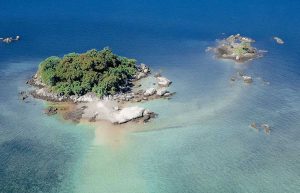
Lake Malawi Water Safety: Swimming, Health and Travel Risks
Understanding Lake Malawi Safety Lake Malawi water safety is often
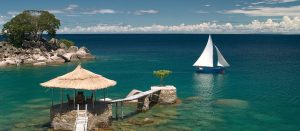
Malawi Travel Safety Guide for International Visitors
Understanding Malawi Travel Safety in a Lake and Safari Tourism
Frequently Asked Questions
Is Malawi safe for tourists
Malawi is considered one of Southern Africa’s more peaceful destinations. Violent crime against tourists is rare. The primary risks relate to road accidents, infrastructure limitations, and medical evacuation logistics rather than political instability. Structured lodge stays and verified transport significantly reduce exposure for international visitors.
Is Lake Malawi safe for swimming
Lake Malawi is generally safe in regulated lodge areas. Risks increase when using informal boat operators or swimming in unmonitored zones. Strong currents, storms, and bilharzia exposure in certain areas require awareness. Reputable lodges provide guidance that significantly reduces water-related risk.
Are Malawi’s roads dangerous
Road accident exposure presents greater probability than violent crime. Narrow highways, livestock crossings, and limited lighting increase collision risk. Daytime travel and vetted transfers reduce exposure substantially. Night rural driving carries elevated accident probability due to infrastructure limitations and reduced visibility.
Does Malawi have reliable hospitals
Lilongwe and Blantyre host private hospitals capable of moderate trauma care. Outside these cities, advanced facilities are limited. Serious medical emergencies may require evacuation to regional hubs. Travel insurance with evacuation coverage is strongly recommended for visitors traveling beyond major towns.
Is Malawi politically stable
Malawi operates under a constitutional democracy with relatively peaceful elections in recent years. Protests occur occasionally but are localized and rarely affect tourists. Political instability is not considered a primary safety risk for visitors traveling within established tourism corridors.
What is the biggest safety risk in Malawi
For most visitors, road transport accidents and limited rural medical access represent the most significant risks. Water safety on Lake Malawi also requires awareness. Structured travel planning, verified operators, and evacuation coverage reduce overall risk probability effectively.