
Understanding Malawi Travel Safety in a Lake and Safari Tourism Environment
Malawi offers a very different tourism structure compared with many destinations in Southern and East Africa. The country is known primarily for Lake Malawi, one of the largest freshwater lakes in the world, as well as a small but growing safari network including Liwonde National Park, Majete Wildlife Reserve, and Nkhotakota Wildlife Reserve.
Because of this combination of lake tourism and wildlife conservation areas, Malawi travel safety must be assessed through a hybrid risk model. Visitors move between lakeshore environments, rural landscapes, and protected wildlife areas where infrastructure is often limited.
Unlike larger safari destinations where tourism infrastructure is highly developed, Malawi’s tourism environment remains relatively small scale and dispersed. Lodges are often located in remote natural settings, transport routes can involve long road transfers, and medical facilities outside the capital city are limited.
The main safety considerations in Malawi therefore center around:
- lake based water safety
- road transport conditions
- healthcare access outside major towns
- opportunistic urban crime
- remote safari environments
For travelers using structured itineraries through established lodges and operators, Malawi remains a calm and welcoming destination. However, its infrastructure limitations mean that preparation and awareness play a larger role in travel safety planning.
Political Stability and National Security Conditions
Malawi has historically maintained a relatively stable political environment within Southern Africa. The country has experienced democratic elections and peaceful political transitions, and it has not been affected by the type of internal conflict that has impacted some other nations in the region.
For visitors, this stability means that Malawi does not present widespread political violence or systemic insecurity affecting tourism areas. Travelers moving between Lilongwe, Blantyre, Lake Malawi, and national parks generally experience a calm environment.
However, localized demonstrations or political gatherings can occur in urban areas, particularly around election periods or major economic issues. These events are typically limited in scope and rarely involve foreign visitors.
Standard travel precautions remain advisable in cities, including:
- avoiding political gatherings
- monitoring local news during election periods
- using reputable transport services
- maintaining awareness in crowded markets
Malawi’s tourism regions, especially those around the lake and wildlife reserves, operate largely separate from the political activity that occasionally appears in urban areas.
Geographic Risk Distribution Across Malawi
Malawi’s safety conditions vary depending on whether visitors are traveling in cities, lakeshore areas, or wildlife reserves.
Lilongwe
The capital city serves as the main international gateway. Traffic congestion, opportunistic theft, and informal transport services represent the most common visitor risks.
Blantyre
Malawi’s commercial center. Similar to Lilongwe, the main concerns involve petty crime and urban traffic conditions rather than violent incidents.
Lake Malawi
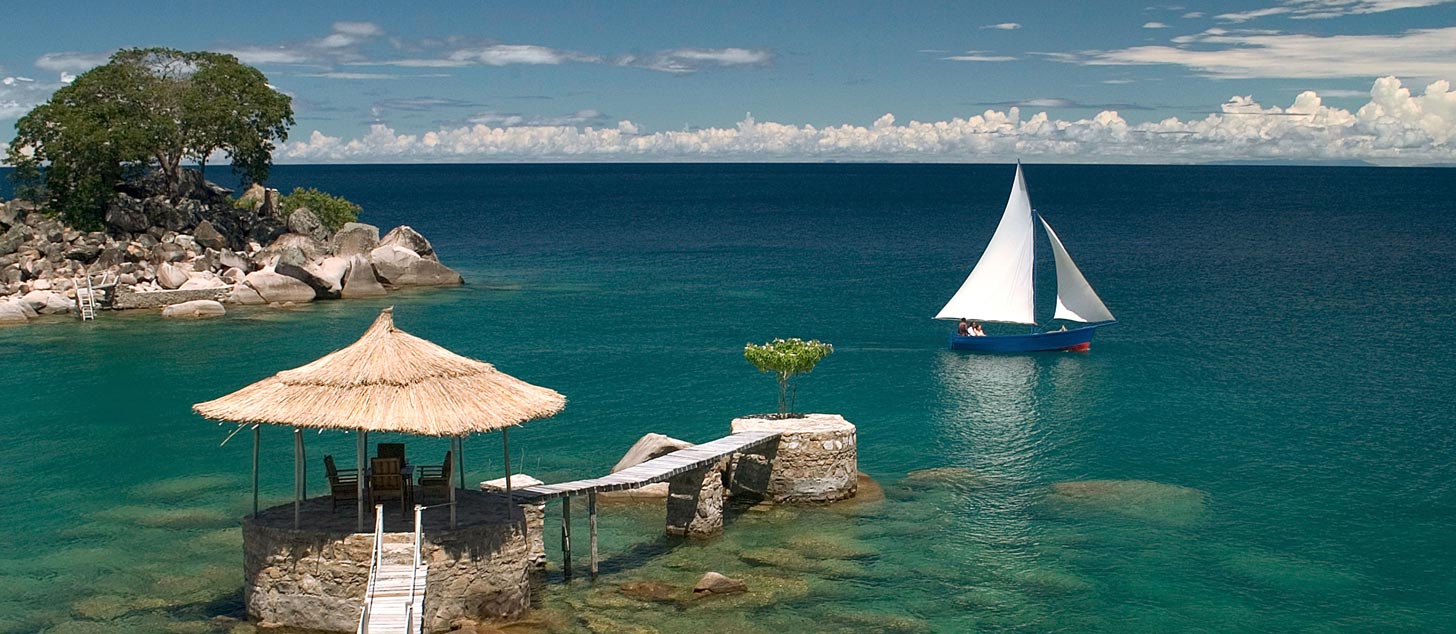
The lakeshore forms the center of the country’s tourism industry. Resorts and lodges operate in locations such as Cape Maclear, Likoma Island, and the Nkhata Bay region. Water safety becomes the primary concern in these areas.
Liwonde National Park
One of Malawi’s premier wildlife destinations. Safari safety considerations include wildlife encounters and the remoteness of park environments.
Majete Wildlife Reserve
A conservation success story with growing safari infrastructure. Wildlife exposure and evacuation distance from medical facilities are the main safety variables.
Understanding how risk changes between lake environments, cities, and safari reserves helps travelers plan safer itineraries across the country.
Lake Malawi Water Safety and Marine Activity Risks
Lake Malawi is one of Africa’s largest freshwater lakes and is central to the country’s tourism identity. Activities such as snorkeling, kayaking, boat excursions, and diving attract visitors to the region.
While the lake is generally calm compared with ocean environments, several safety considerations remain important.
Key lake related risks include:
- sudden weather changes affecting boat conditions
- limited safety equipment on informal boats
- swimming far from shore without supervision
- dehydration during long lake excursions
- inconsistent life jacket availability
Resort based operators typically maintain better safety standards than informal village boat operators.
Visitors should prioritize structured water activities arranged through lodges or licensed operators rather than accepting unregulated excursions along the shoreline.
Water exposure is often the most relevant safety consideration for travelers spending extended time around Lake Malawi.
Road Transport and Infrastructure Safety
Road travel is the most common way to move between Malawi’s tourism destinations. However, infrastructure limitations mean that transport safety should be considered carefully.
Road conditions vary significantly between major highways and rural routes.
Common risk factors include:
- potholes and uneven surfaces on secondary roads
- livestock crossing rural routes
- limited lighting outside cities
- heavy vehicle congestion near towns
- fatigue during long transfer distances
Travelers moving between the capital, the lake region, and wildlife reserves often face several hours of road travel.
The safest approach is to use lodge arranged transfers or professional drivers rather than informal taxi services. Daytime driving significantly reduces accident risk compared with traveling after dark.
Wildlife and Safari Safety in Malawi
Malawi’s wildlife reserves have undergone significant conservation restoration in recent years. Parks such as Majete and Liwonde now host populations of elephants, lions, buffalo, and other large mammals.
Safari experiences typically occur through guided game drives or river based excursions.
Visitors should be aware that:
- wildlife moves freely in safari reserves
- walking outside designated areas is unsafe
- guides must always be followed during wildlife encounters
- night movement around lodges requires caution
Professional safari guides are trained to manage wildlife interactions and maintain safe distances from animals.
Independent movement within parks or ignoring guide instructions significantly increases exposure to wildlife related risk.
Healthcare Infrastructure and Emergency Response
Healthcare infrastructure in Malawi is developing but remains limited compared with more established travel destinations. Lilongwe and Blantyre host several private clinics and hospitals capable of providing basic medical care and stabilization.
Outside major cities, medical facilities may offer only basic treatment.
This creates challenges when serious medical emergencies occur in remote locations such as national parks or isolated lake regions.
Emergency response often involves:
- initial stabilization at lodge level
- ground transfer to a regional clinic
- evacuation to Lilongwe or Blantyre
- international evacuation for advanced treatment
Because of these logistical realities, travel insurance with medical evacuation coverage is strongly recommended for anyone visiting Malawi.
Preparedness and emergency coordination become particularly important in rural tourism environments.
Health and Environmental Risk Factors
Malawi’s tropical climate introduces several environmental considerations that travelers should understand before visiting.
Health related risks include:
- malaria exposure in many parts of the country
- dehydration during hot dry season months
- waterborne illnesses where sanitation is limited
- mosquito exposure near lakes and rivers
Seasonal weather patterns can also influence travel logistics.
The rainy season from November to April may affect road access to some lodges and parks. Flooding and muddy road conditions can delay transfers in rural regions.
Taking standard travel health precautions and consulting a medical professional before travel can significantly reduce environmental and health related risks.


Operational Preparedness for Travel in Malawi
Travel safety in Malawi is primarily influenced by infrastructure limitations rather than security threats. Visitors who plan carefully and travel through reputable operators typically experience the country as welcoming and relaxed.
Effective safety planning includes:
- booking lake activities through reputable lodges
- using licensed drivers for long transfers
- carrying malaria prevention medication where recommended
- securing travel insurance with evacuation coverage
- maintaining awareness in urban environments
- respecting wildlife safety guidelines in reserves
Malawi’s tourism environment is calm and relatively low risk compared with many destinations worldwide. The key challenge for visitors is not instability but the practical realities of remote travel and healthcare access.
TravelSafe SOS provides centralized emergency coordination across Malawi’s tourism network including Lilongwe, Blantyre, Lake Malawi, Liwonde National Park, Majete Wildlife Reserve, and remote lodge locations. This support strengthens response capability where infrastructure and medical access may be limited.
Frequently Asked Questions
Is Malawi safe for tourists
Malawi is generally considered a safe destination for tourists. Violent crime affecting visitors is uncommon and the country has a reputation for being welcoming and peaceful. Most risks involve transport conditions, lake activities, and healthcare access rather than security threats.
Is Lake Malawi safe for swimming
Swimming in Lake Malawi is generally safe in designated areas near lodges and beaches. However visitors should avoid swimming far from shore or using unregulated boat operators. Water safety equipment and supervision improve safety significantly.
Is Malawi safe for safari travel
Safari travel in Malawi is safe when conducted through established lodges and guided game drives. Wildlife reserves operate under controlled tourism systems where professional guides manage animal encounters and visitor movement.
Does Malawi have good hospitals
Malawi has private clinics and hospitals in Lilongwe and Blantyre that can provide basic medical treatment. However advanced medical care may require evacuation to another country. Travel insurance with evacuation coverage is strongly recommended.
Is Malawi safe for solo travelers
Malawi is often considered safe for solo travelers, particularly when visiting established tourism areas. Standard precautions such as avoiding isolated areas at night and using reputable transport providers remain important.
What is the biggest safety risk in Malawi for travelers
For most visitors the greatest safety risks involve road transport conditions, healthcare access in remote areas, and water safety on Lake Malawi. Planning structured travel arrangements significantly reduces these exposures.