
Is Namibia Safe? Country Risk, Security Conditions, and Travel Overview
Understanding Namibia’s safety landscape, from desert environments and long-distance travel to wildlife and infrastructure risks.
Namibia’s National Stability and Structural Risk Profile
Namibia is widely regarded as one of the most stable and low-crime countries in Southern Africa. It is sparsely populated, politically steady, and heavily reliant on tourism across regions such as Etosha National Park, the Namib Desert, Swakopmund, and Damaraland. Unlike some neighboring states, Namibia does not face insurgency risk, terrorism spillover, or systemic political unrest.
A credible assessment of whether Namibia is safe must move beyond its low violent crime statistics and focus on exposure shaped by geography. Namibia’s safety profile is not primarily defined by criminal threat. It is defined by vast distances, extreme desert conditions, limited medical infrastructure outside Windhoek, and transport risk across remote regions.
Namibia operates as a constitutional democracy with peaceful elections and relatively low political volatility. Institutional stability is high. Security forces maintain low-visibility presence rather than aggressive enforcement posture.
Primary safety variables relevant to visitors include:
- Long-distance road accident exposure
- Desert environment hazards
- Limited advanced medical access outside Windhoek
- Wildlife proximity in unfenced areas
- Flash flood risk during rainy season
- Cross-border overland logistics
For structured international visitors, Namibia presents one of the lowest violent crime risk profiles in Africa.
Geographic Risk Differentiation Across Namibia
Namibia’s safety environment is shaped more by remoteness than criminal intensity.
Windhoek
The capital hosts government institutions, embassies, and private hospitals. Crime levels are moderate and primarily opportunistic. Residential suburbs and business districts are generally calm when movement is structured.
Swakopmund and Walvis Bay
Coastal tourism hubs with relatively low violent crime. Petty theft occurs occasionally but is limited compared to regional standards.
Etosha National Park
Highly regulated wildlife reserve. Criminal exposure negligible. Wildlife and medical logistics represent primary considerations.
Damaraland and Kunene
Extremely remote areas. Infrastructure gaps and distance from services shape exposure.
Namib Desert and Sossusvlei
Harsh environmental conditions create heat, dehydration, and vehicle breakdown risk.
Namibia’s risk profile is infrastructure and environment driven rather than violence driven.
Urban Crime Patterns and Visitor Exposure
Namibia’s violent crime rate is lower than many Southern African countries, but opportunistic crime exists.
Common exposure types:
- Pickpocketing in central Windhoek
- Bag theft from vehicles
- Residential burglary in isolated guesthouses
- Phone snatching in dense pedestrian areas
Violent targeting of tourists is rare.
Scenario Model 1
Visitor leaves luggage visible in parked rental car at desert viewpoint. Opportunistic theft risk increases.
Scenario Model 2
Visitor stores valuables securely and uses verified transfers. Exposure minimal.
Urban crime in Namibia is predictable and geographically concentrated.
Political Stability and Civil Environment
Namibia maintains a stable political system with peaceful election cycles and minimal protest intensity compared to many countries in the region.
Characteristics include:
- Low protest frequency
- Limited violent unrest
- Strong institutional continuity
- No insurgency activity
Political instability is not considered a primary safety variable for visitors.
Road Transport and Remote Driving Exposure
Road transport risk represents the most significant safety variable in Namibia.
Contributing factors include:
- Gravel road driving at high speeds
- Long distances without fuel stations
- Wildlife crossing highways
- Fatigue during multi-hour transfers
- Limited roadside emergency services
- Tire blowouts on rough surfaces
Statistically, road accidents present greater risk than violent crime.
Self-drive tourism is common in Namibia. Risk increases when:
- Drivers underestimate desert distances
- Vehicles lack adequate spare tires
- Travel occurs after dark in wildlife corridors
Structured lodge transfers and conservative driving significantly reduce exposure.
Desert and Environmental Hazard Exposure
Namibia’s defining safety characteristic is environmental rather than criminal.
Primary desert exposure factors include:
- Heatstroke and dehydration
- Navigation errors in remote regions
- Vehicle breakdown far from services
- Sand driving in unprepared vehicles
- Flash floods in normally dry riverbeds
The Namib Desert and Skeleton Coast are visually dramatic but logistically unforgiving.
Environmental miscalculation presents a higher probability of serious harm than crime in Namibia.
Safari and Wildlife Risk Environment
Namibia’s wildlife areas include Etosha, private conservancies, and remote communal lands.
Primary exposure variables include:
- Elephant and rhino proximity
- Night movement outside camp boundaries
- Walking without guide in wildlife zones
- Off-road self-drive attempts
Crime within conservancies is extremely rare.
Medical evacuation logistics from remote conservancies become the primary serious risk factor.
Wildlife safety in Namibia is procedural and manageable under professional guidance.
Medical Infrastructure and Emergency Capacity
Namibia’s medical capability varies by region.
Windhoek
Hosts private hospitals capable of trauma stabilization and moderate surgical care.
Coastal Towns
Limited but functional facilities.
Remote Regions
Minimal advanced capability. Serious trauma may require evacuation to Windhoek or South Africa.
Air evacuation services operate regionally.
Medical exposure in Namibia is primarily distance-related rather than facility absence in the capital.
Travel insurance with evacuation coverage is essential for desert and safari travel.
Border and Cross-Border Risk
Namibia borders:
- South Africa
- Botswana
- Zambia
- Angola
Tourism corridors linking Namibia to Botswana and South Africa are stable.
Primary border exposure risks include:
- Long rural crossings
- Documentation errors
- Fuel scarcity in remote areas
- Limited emergency services near border posts
Violent cross-border instability is not typical within major tourism corridors.
Institutional Security and Deterrence
Namibia maintains:
- Active but low-profile police force
- Stable military structure
- Low organized violent crime levels
- Limited corruption relative to regional averages
Security presence is calm rather than forceful.
Namibia’s stability contributes significantly to its strong international safety perception.
Risk Probability by Travel Structure
Lower Exposure Profile
- Lodge-based safari guests
- Guided desert tours
- Pre-arranged transfers
- Daytime self-drive with preparation
Higher Exposure Profile
- Independent desert exploration
- Night rural driving
- Poorly maintained rental vehicles
- Traveling without spare fuel or water reserves
Exposure in Namibia correlates strongly with environmental preparedness rather than criminal intensity.
Operational Preparedness for South Africa
Effective safety planning includes:
- Carrying extra water and fuel in remote areas
- Avoiding night wildlife corridor driving
- Confirming tire condition and spare availability
- Ensuring evacuation coverage
- Structured itinerary planning
Namibia is not characterized by systemic violence. It is characterized by environmental extremity and distance.
TravelSafe SOS provides centralized 24 hour coordination across Namibia’s cities, deserts, and safari regions, strengthening escalation clarity in environments where remoteness can delay assistance.
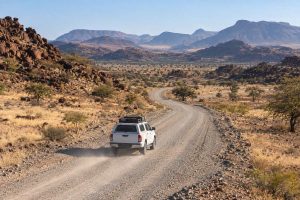
Namibia Self-Drive Safety From Windhoek to Etosha
Is It Safe to Self-Drive Through Namibia? Self-driving is one
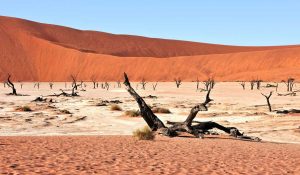
Namibia Desert Travel Safety: Heat, Driving and Remote Risks
Understanding Desert Travel in Namibia Namibia desert travel safety is

Namibia Travel Safety 2026: A Complete Guide for Tourists Visiting Safaris, Cities and Desert Regions
Understanding Namibia Travel Safety in 2026 Namibia Travel Safety in
Frequently Asked Questions
Is Namibia safe for tourists
Namibia is considered one of Africa’s safest destinations for structured travelers. Violent crime against tourists is rare. The primary risks relate to road accidents, desert conditions, and medical access delays rather than political instability or terrorism. Prepared itineraries and verified transport significantly reduce exposure.
Is it safe to self drive in Namibia
Self-drive travel is common and generally safe when drivers respect desert distances and road conditions. Gravel roads, wildlife crossings, and fatigue increase accident probability. Carrying spare tires, fuel, and water reserves materially reduces environmental and transport-related risk.
Is Windhoek safe
Windhoek is relatively calm compared to many regional capitals. Crime is primarily opportunistic and concentrated in certain areas. Using secure accommodation, avoiding isolated night movement, and storing valuables properly significantly reduces exposure for visitors.
Does Namibia have good hospitals
Windhoek hosts private hospitals capable of trauma stabilization and routine surgical care. Outside the capital, advanced facilities are limited. Serious medical emergencies in remote regions may require evacuation to Windhoek or South Africa. Travel insurance with evacuation coverage is strongly recommended.
Is crime high in Namibia
Namibia’s violent crime rate is lower than many Southern African countries. Petty theft occurs in urban areas but serious crime targeting tourists is uncommon. Exposure increases primarily through opportunistic behavior rather than systemic criminal activity.
What is the biggest safety risk in Namibia
For most visitors, road transport accidents and environmental exposure in remote desert regions present the greatest risks. Heat, dehydration, and vehicle breakdowns are more probable hazards than violent crime. Structured planning and evacuation coverage significantly reduce overall risk probability.