
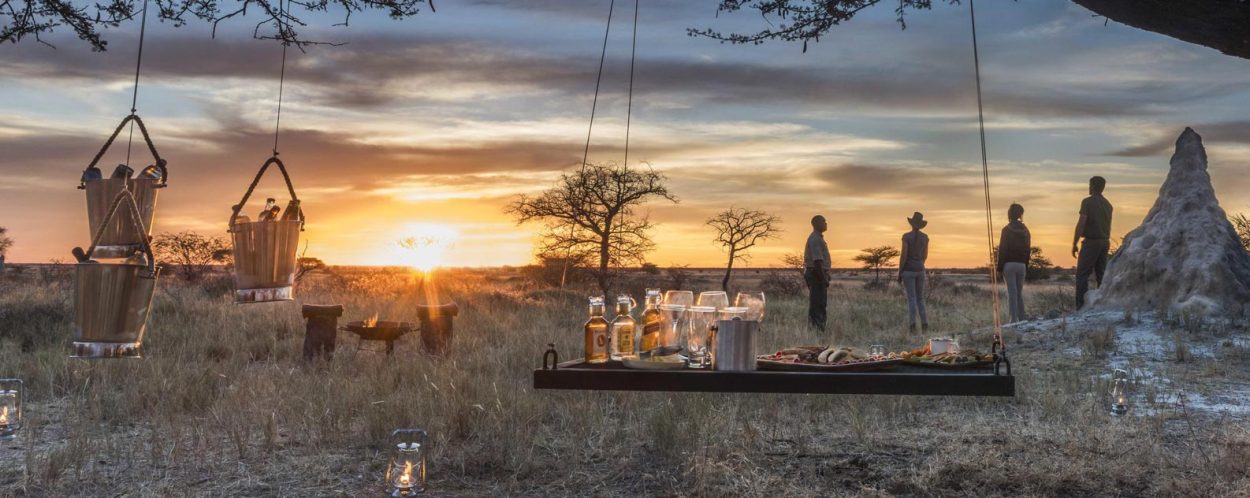
Understanding Namibia Travel Safety in 2026
Namibia Travel Safety in 2026 is best understood through geography, infrastructure and travel patterns rather than general assumptions about Africa. Namibia is one of the most sparsely populated countries in the world, characterised by vast desert landscapes, well managed national parks and long distances between settlements. Visitors typically arrive through Windhoek before travelling onward to destinations such as Etosha National Park, the Namib Desert, Swakopmund or the Skeleton Coast.
Tourism in Namibia operates across wide open landscapes where the main safety considerations differ from densely populated destinations. Crime affecting tourists remains relatively low compared with many global travel regions. Instead, safety considerations are more closely linked to long driving distances, remote environments and environmental exposure in desert climates.
Understanding Namibia Travel Safety means recognising that exposure varies significantly between environments. Urban areas require basic city awareness, while national parks and desert landscapes involve environmental and logistical considerations. Travellers moving through organised safari lodges, guided tours or carefully planned self drive routes generally experience safe and predictable journeys throughout the country.
Visitors who underestimate distances, attempt long drives after dark or travel without preparation may encounter logistical challenges. Namibia’s landscapes are spectacular but remote, and travellers should approach journeys with realistic expectations about travel times and infrastructure availability.
Namibia’s travel safety landscape can therefore be understood through several practical exposure areas:
- Urban safety considerations in Windhoek and regional towns
- Road travel conditions across long distances
- Wildlife proximity in national parks and conservation areas
- Desert environmental exposure and climate conditions
- Medical access in remote regions
- Seasonal weather patterns affecting travel logistics
These elements provide a framework for understanding how Namibia’s geography shapes travel safety across the country’s tourism regions.
Key Safety Considerations for Travelling in Namibia
Namibia’s tourism environment is shaped by extremely low population density and significant distances between destinations. Travellers frequently drive hundreds of kilometres between cities, national parks and coastal regions. Because of this geography, travel safety is often influenced more by preparation and logistics than by crime.
Petty theft does occur in urban environments such as Windhoek, particularly in busy shopping districts or car parks where valuables may be left visible inside vehicles. Opportunistic theft remains the most common issue affecting visitors in urban settings. Violent crime targeting tourists is relatively uncommon, particularly in established tourism areas and national parks.
Several simple precautions significantly reduce exposure. Travellers should avoid leaving valuables visible in parked vehicles, remain aware of surroundings in busy areas and avoid displaying expensive electronics in crowded public spaces.
More importantly, visitors should prepare carefully for Namibia’s long distance travel conditions. Confirming fuel availability, planning travel routes and avoiding long journeys after sunset can greatly reduce risk. Namibia’s roads frequently pass through wildlife areas or livestock zones where animals may cross unexpectedly.
Travellers who approach Namibia with realistic planning and structured itineraries generally experience safe and enjoyable journeys across the country’s tourism network.
Safety in Windhoek and Namibia’s Main Cities
Windhoek serves as Namibia’s capital and primary international gateway. Most travellers pass through the city when arriving in the country or before beginning overland journeys to other destinations. Compared with many global capitals, Windhoek maintains a relatively calm urban environment and a manageable scale.
Neighbourhoods such as Klein Windhoek, Eros and the central business district host many hotels, restaurants and guesthouses used by international travellers. These districts generally maintain comfortable safety conditions during the day and early evening.
As in many cities worldwide, petty theft can occur if visitors leave valuables visible inside parked vehicles or carry expensive devices openly in crowded areas. Walking long distances through unfamiliar districts late at night may also increase exposure to opportunistic incidents.
Visitors can minimise risk by using registered taxis or hotel transport when travelling after dark and by keeping personal belongings secure while visiting shops, restaurants or markets.
Other Namibian towns such as Swakopmund, Walvis Bay and Outjo are significantly smaller than the capital and often maintain relaxed tourism atmospheres. Visitors in these areas typically encounter minimal security concerns, particularly when staying within established accommodation zones.
Safari Safety in Etosha and Namibia’s National Parks
Namibia’s national parks form the core of the country’s tourism experience. Etosha National Park is particularly well known for its wildlife viewing opportunities across the vast Etosha Pan and surrounding savannah ecosystems.
Safari environments in Namibia operate under structured conservation management systems. Visitors participate in guided safaris or follow designated self drive routes within park boundaries. Crime inside national parks is extremely rare.
The primary safety considerations relate to wildlife behaviour and environmental awareness rather than criminal activity. Visitors must remain inside vehicles when observing animals and should always follow guidance provided by park rangers or safari guides.
Attempting to approach wildlife on foot or leaving vehicles outside designated areas can increase risk because animals such as elephants, lions or rhinos may react unpredictably when humans move too close.
Safari lodges and camps maintain trained staff, communication systems and operational procedures designed to assist guests if unexpected situations arise. These structured tourism systems allow visitors to experience Namibia’s wildlife safely while minimising risk.
Road Safety and Long Distance Travel in Namibia
Road travel is one of the most important practical safety considerations for travellers exploring Namibia. Attractions are widely spaced across the country, meaning visitors often drive several hours between destinations such as Windhoek, Etosha, Swakopmund and the Namib Desert.
Namibia’s main highways are generally well maintained, but many secondary routes are gravel roads that require slower speeds and careful driving. Wildlife and livestock may occasionally cross roads without warning, particularly in rural regions.
Night driving significantly increases accident risk due to limited lighting and increased animal movement across roads. For this reason most travellers plan journeys during daylight hours and include rest stops on longer drives.
Self drive travel is common in Namibia and can be extremely rewarding when properly planned. Visitors should ensure their vehicles are suitable for gravel roads, carry sufficient water and fuel, and understand the distances between towns before beginning long journeys.
Travellers who plan routes carefully and drive cautiously generally find Namibia’s road network safe and manageable.
Desert Environment and Climate Safety
Namibia’s landscapes are dominated by desert and semi arid environments. Regions such as the Namib Desert, Sossusvlei and Damaraland attract visitors due to their dramatic scenery but also require awareness of environmental conditions.
Daytime temperatures in desert regions can become extremely high, particularly during the dry season. Travellers should remain hydrated, wear protective clothing and avoid prolonged exposure to direct sunlight.
Remote desert areas may also have limited services and reduced mobile coverage. Visitors travelling long distances should inform accommodation providers of travel plans and carry adequate water supplies when driving through isolated areas.
Environmental awareness plays an important role in Namibia Travel Safety. Travellers who prepare for desert conditions and respect the challenges of remote landscapes typically enjoy safe experiences across Namibia’s most spectacular regions.
Medical Infrastructure and Emergency Access
Healthcare infrastructure in Namibia is strongest in Windhoek where several private hospitals and clinics provide reliable medical services. Facilities outside the capital become more limited, particularly in remote regions and small towns.
Travellers visiting national parks or desert areas should understand that medical facilities may be several hours away. In serious emergencies, evacuation to Windhoek or neighbouring countries with larger hospitals may be necessary.
Common travel health considerations include dehydration, sun exposure and fatigue during long road journeys. Carrying basic medical supplies and maintaining travel insurance with evacuation coverage can help ensure appropriate support if medical assistance becomes necessary.
Safari lodges and accommodation providers typically maintain communication procedures to assist guests if incidents occur in remote areas.
Political Stability and National Security
Namibia is widely regarded as one of the most politically stable countries in Southern Africa. The country maintains democratic governance and peaceful political transitions. Large scale unrest affecting tourism infrastructure is extremely rare.
Political demonstrations occasionally occur in Windhoek or other urban centres, but these events are generally localised and rarely affect travellers.
Visitors who avoid large public gatherings and follow local guidance generally encounter no issues related to political stability while travelling in Namibia.


Seasonal Weather and Environmental Conditions
Namibia’s climate is generally dry and predictable, although seasonal rainfall may occur between November and April. During this period some rural roads may become more difficult to navigate after heavy rainfall.
Wildlife movement in national parks often follows seasonal water availability, influencing safari viewing conditions. Coastal regions such as Swakopmund and Walvis Bay experience cooler temperatures due to Atlantic Ocean currents.
Seasonal weather patterns mainly influence travel logistics rather than safety itself. Travellers who plan journeys according to seasonal conditions typically experience smooth and enjoyable travel throughout Namibia.
Across Namibia’s deserts, wildlife reserves and coastal towns, travellers who approach their journeys with preparation and awareness usually experience safe and memorable travel experiences.
Frequently Asked Questions
Is Namibia safe for tourists
Yes. Namibia is widely considered one of the safest travel destinations in Africa, particularly for visitors exploring national parks, desert landscapes and coastal towns. Most travellers follow self drive routes or organised tours between Windhoek, Etosha National Park, Swakopmund and the Namib Desert. Crime affecting tourists is relatively low, and the main safety considerations usually involve long driving distances and remote environments rather than violent crime.
Is it safe to travel to Namibia right now
Yes. Namibia remains politically stable and continues to welcome international visitors across its tourism regions. Travel infrastructure connecting Windhoek, Etosha, Swakopmund and Sossusvlei operates normally. Travellers who follow organised itineraries, plan driving routes carefully and stay in established accommodation typically experience safe journeys throughout the country.
Is Windhoek safe for visitors
Windhoek is generally safe for visitors, particularly in neighbourhoods commonly used by travellers such as Klein Windhoek, Eros and the central business district. Most incidents involve opportunistic petty theft rather than violent crime. Visitors should avoid leaving valuables visible inside vehicles and use registered taxis or hotel transport when moving around the city after dark.
Is Etosha National Park safe for safaris
Yes. Etosha National Park operates under a well managed conservation system and is considered very safe for safari visitors. Travellers explore the park either with guides or on designated self drive routes. Crime inside the park is extremely rare. The primary safety considerations relate to wildlife awareness, meaning visitors should remain inside vehicles and follow park regulations when observing animals.
Are roads dangerous in Namibia
Road travel is generally safe in Namibia but requires careful planning due to long distances and gravel road conditions in some regions. Wildlife and livestock may occasionally cross roads, particularly at night. Travellers are advised to avoid night driving, take regular breaks on long journeys and ensure vehicles are suitable for gravel routes when travelling outside major highways.
Does Namibia have good hospitals for tourists
Namibia’s most advanced medical facilities are located in Windhoek where private hospitals provide reliable care for international visitors. Outside the capital, medical services may be more limited in rural areas and small towns. Serious medical emergencies in remote regions may require evacuation to Windhoek or neighbouring countries, which is why travel insurance with evacuation coverage is strongly recommended.
What are the biggest safety risks when visiting Namibia
For most travellers the main risks involve environmental and logistical factors rather than crime. These include long distance driving, dehydration in desert climates, wildlife encounters in national parks and limited services in remote regions. Visitors who prepare for desert conditions, plan travel routes carefully and follow park regulations generally experience safe journeys across Namibia.
When is the safest time to visit Namibia
Namibia can be visited year round, but many travellers prefer the dry season between May and October when temperatures are cooler and wildlife viewing in national parks is often excellent. The rainy season between November and April may bring occasional storms and muddy rural roads in some areas, although tourism continues during this period.