
Why Safety Matters When Traveling to East Africa
As tourism grows, updated and reliable information has become essential. Many travellers now actively search for East Africa Travel Safety 2026 guidance, especially when comparing Kenya and Tanzania. East Africa remains one of the world’s most rewarding travel regions, offering sweeping savannas, white-sand coastlines, mountain landscapes, and cultural richness that continues to draw travelers from the US, UK, and Europe.
The short answer is yes, but conditions vary by region, time of day, and activity. Understanding crime patterns, health risks, transport challenges, and emergency infrastructure is essential for a smooth, safe trip. This updated guide breaks down real safety considerations in both countries and shows how the TravelSafe SOS app provides immediate 24 hour emergency coordination across East Africa.
General Safety Comparison, Tanzania vs Kenya
Understanding real conditions on the ground is central to East Africa Travel Safety 2026, especially when evaluating crime patterns, transport risks, and emergency access.
Tanzania
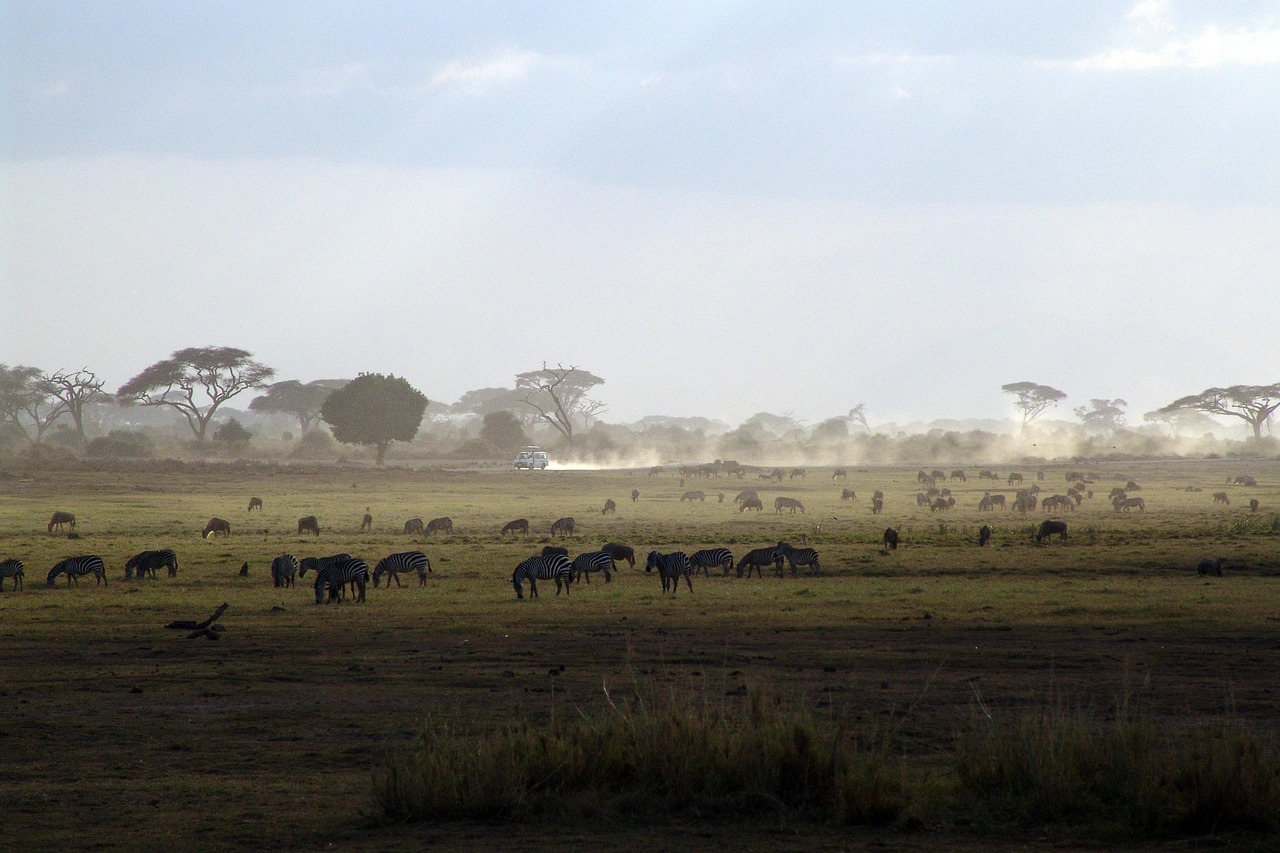
Tanzania continues to offer stable and safe travel conditions in its main tourism zones. The northern circuit, including Serengeti, Ngorongoro, and Tarangire, is highly secure with strong ranger and guide presence. Zanzibar remains a popular beach destination but requires standard precautions. Urban areas such as Arusha and Dar es Salaam experience petty crime, especially after dark. Political demonstrations are rare but should be avoided.
Kenya
Kenya is safe for tourism in the Masai Mara, Laikipia, and Amboseli. Safari environments are well-managed, and lodges have strong security procedures. Nairobi is vibrant but requires more awareness, particularly in crowded places and public transport. Areas near the Somalia border are best avoided. Travelers using hotel-arranged drivers and reputable operators generally have a smooth experience.
TravelSafe SOS supports travelers in both countries through real time alerts, location monitoring, and instant access to emergency coordination.
High Risk Areas to Avoid
In Tanzania
• Border areas near Burundi and Mozambique
• Some neighbourhoods in Dar es Salaam after dark
• Isolated taxi ranks and ATMs around Kilimanjaro town
• Rural roads at night
In Kenya
• Northeastern counties such as Garissa and Wajir
• Certain Nairobi neighbourhoods where pickpocketing is common
• Overcrowded minibuses (matatus)
• Border regions with Somalia
• Election-related gatherings in Mombasa
The TravelSafe SOS app helps travelers stay aware of real-time risk zones and provides direct access to the control center if you feel unsafe or need guidance on-the-go.
Tanzania
Generally regarded as safe for tourism, Tanzania’s northern safari circuit (Serengeti, Ngorongoro Crater, Tarangire) and Zanzibar coast offer stable travel conditions. Petty crime can happen in cities like Arusha and Dar es Salaam, but serious incidents are rare. Political demonstrations are uncommon but should be avoided.
Kenya
Kenya is safe for tourism in the Masai Mara, Laikipia, and Amboseli. Safari environments are well-managed, and lodges have strong security procedures. Nairobi is vibrant but requires more security and safety awareness, particularly in crowded places and public transport. Areas near the Somalia border are best avoided. Travelers using hotel-arranged drivers and reputable operators generally have a smooth experience.
Safari Safety in Kenya and Tanzania
Safari areas in both countries are among the safest travel zones in Africa. Reasons include:
Professional Guides
Guides are trained in first aid, animal behavior, and crisis protocols. They know the terrain, wildlife patterns, and contact points for emergency assistance.
Lodge and Camp Security
Safari lodges and tented camps have night guards, radio networks, and established procedures. Many now integrate TravelSafe SOS to streamline reporting, escalation, and guest tracking.
Strict Park Rules
Park authorities maintain high safety standards. Staying inside marked areas and following instructions greatly minimizes risk.
Self Drive Caution
Self driving is only recommended for experienced travelers familiar with African roads. Offline GPS, emergency communications, and TravelSafe SOS are essential if driving yourself.
Emergency Response and Medical Access
Tanzania
Arusha and Dar es Salaam offer private clinics, but safari zones are remote and difficult to reach during a medical emergency. Evacuation by road or air is often required. TravelSafe SOS coordinates medical transport, connects with partner clinics, and provides guidance when seconds matter.
Kenya
Nairobi has high-quality hospitals such as Aga Khan and Nairobi Hospital. However, remote areas like the Mara or Samburu may require flight evacuations. The TravelSafe SOS app provides instant emergency activation, location tracking, and dispatcher support tailored to your GPS coordinates.
Whether climbing Kilimanjaro or photographing elephants in Amboseli, the app connects you to the nearest available help and notifies your contacts immediately.
How the TravelSafe SOS App Protects You Off Grid
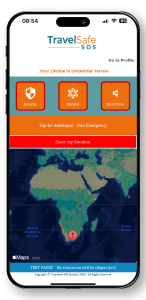
One of the top concerns for travelers in remote safari zones is access to emergency help. Many regions in East and Southern Africa have limited mobile coverage, no formal address systems, and long distances to medical facilities. The TravelSafe SOS app bridges these gaps using GPS location sharing, offline functionality, and instant emergency activation that works even when you have no mobile signal. The control center receives your last known coordinates, guides responders, alerts your contacts, and coordinates evacuation support, ensuring you are never truly unreachable.
Health Advice for East Africa
- Malaria: Common year-round. Travelers should use antimalarial pills, DEET-based repellents, and mosquito nets.
- Vaccines: Yellow fever is required for some entries. Hepatitis A, typhoid, and tetanus are recommended.
- Water: Stick to bottled or treated water in both countries.
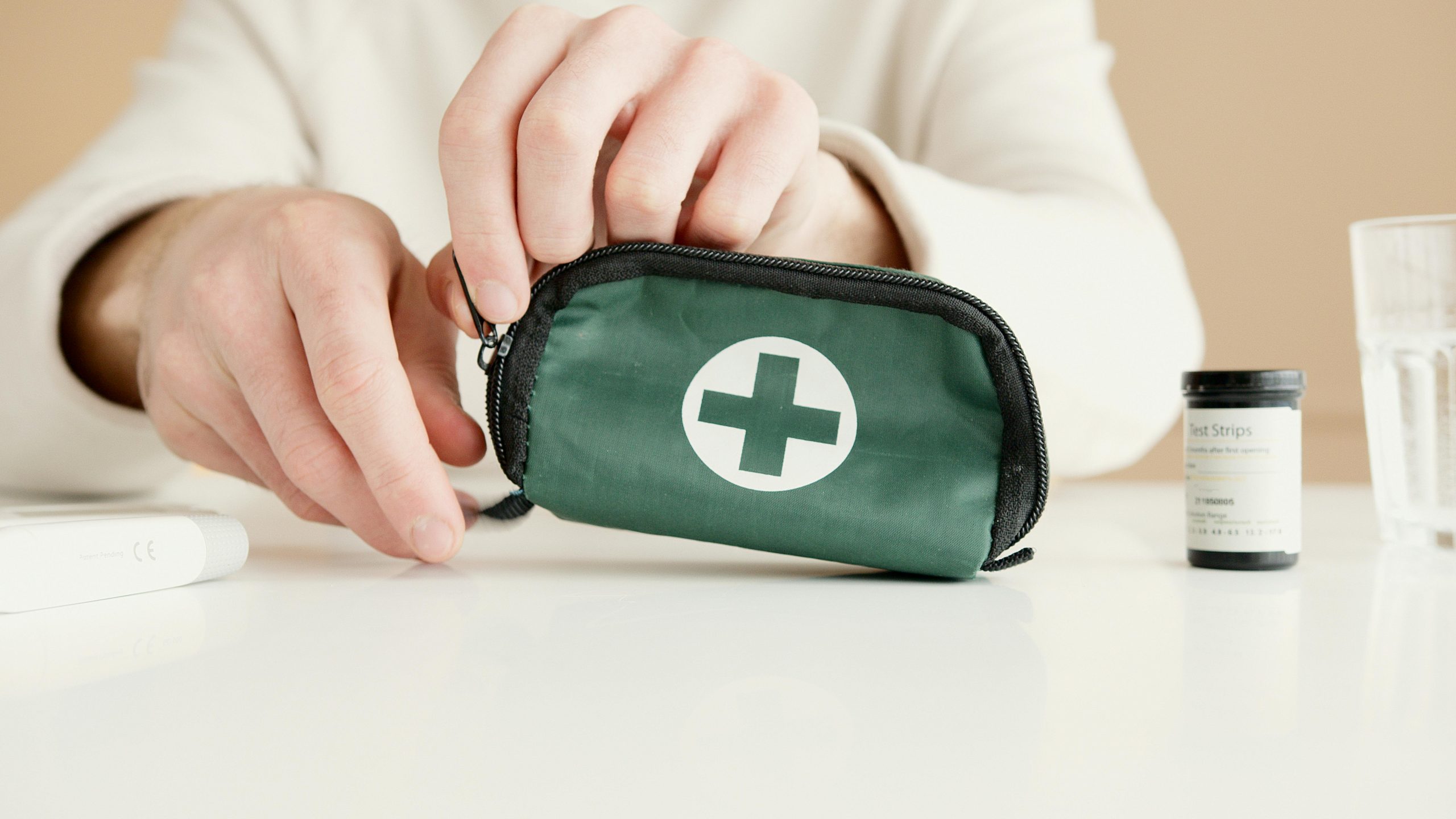
Carry a small medical kit, and store your medical details in the Travelsafe SOS app for quicker help in a medical emergency.
Cultural Etiquette and Local Laws
• Dress conservatively in coastal or Islamic regions
• Ask permission before photographing people
• Do not use plastic bags, they are banned
• Carry photocopies of your passport
• Avoid political gatherings or protests
• Respect local religious practices
Cultural awareness reduces misunderstandings and increases personal safety.
Is Kenya or Tanzania Safer in 2026?
Both countries offer safe, structured tourism experiences when using reputable operators. Kenya has stronger medical infrastructure and connectivity, while Tanzania offers quieter safari landscapes with fewer crowds. The safest choice depends on your travel style:
• Tanzania for remote wildlife and solitude
• Kenya for convenience, accessibility, and top-tier facilities
With TravelSafe SOS installed, travelers gain a reliable digital safety net designed for medical, security, and roadside emergencies across both nations.
Why TravelSafe SOS Matters in East Africa
TravelSafe SOS is built specifically for Africa’s landscapes and emergency realities. The app provides:
• One tap emergency activation
• Instant location sharing
• Communication with the 24 hour control center
• Local risk notifications
• Offline functionality in safari zones
• Secure storage of medical and ID documents
Whether hiking Mount Meru, enjoying a walking safari in Laikipia, or relaxing in Zanzibar, the app ensures travelers are never alone during an emergency.
Either way, having the Travelsafe SOS app installed gives you a reliable digital safety net across both nations.