
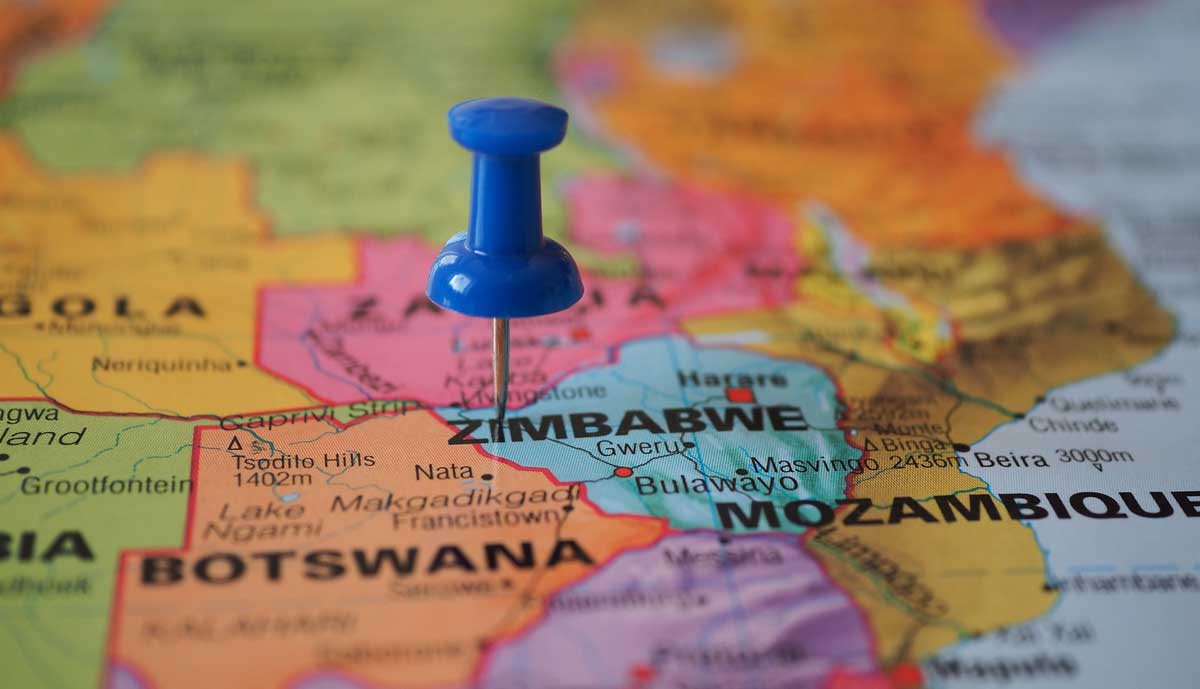
Understanding Safari Safety in Zimbabwe
Zimbabwe safari safety is among the strongest in Africa, yet it is often misunderstood by first-time travellers. The presence of large wildlife, remote landscapes, and unfenced camps creates the perception of danger. In reality, Zimbabwe operates one of the most respected and professional guiding systems on the continent.
Safari environments in Zimbabwe are structured, controlled, and deeply rooted in experience. National parks such as Hwange, Mana Pools, and Gonarezhou, as well as private concessions, follow strict operational standards. These include regulated guiding qualifications, controlled vehicle movement, and carefully managed guest activities.
The key principle is simple. Wildlife exists in its natural environment, but human interaction with that environment is managed professionally. Guides are trained to interpret animal behaviour, assess risk in real time, and make decisions that prioritise safety without compromising the experience.
For travellers, this means that the environment may feel wild, but it is not unmanaged. Zimbabwe safari safety depends on structure, experience, and adherence to guidance rather than restriction or avoidance.
Wildlife and Guiding Protocols
Wildlife is the defining feature of a Zimbabwe safari, and understanding how it is managed is central to safety.
Animals such as elephants, lions, buffalo, and hippos are present in many safari areas. These species are unpredictable in theory, but in practice, encounters are carefully controlled through guiding protocols.
Zimbabwe is particularly well known for its highly trained professional guides. Many undergo years of training, including:
- Wildlife behaviour and tracking
- Firearm handling and safety
- Emergency response procedures
- Walking safari leadership
Game drives are conducted in vehicles that allow safe observation from a controlled distance. Guides position vehicles carefully, monitor animal behaviour, and adjust proximity based on conditions.
Walking safaris, which Zimbabwe is famous for, are conducted with strict protocols. Travellers are briefed before departure and are always accompanied by armed, qualified guides. These experiences are immersive but structured.
The main risks arise when:
- Instructions are not followed
- Travellers move independently without permission
- Wildlife is approached without guidance
When protocols are respected, wildlife encounters are safe, controlled, and one of the most rewarding aspects of travel in Zimbabwe.
Remote Travel and Logistics
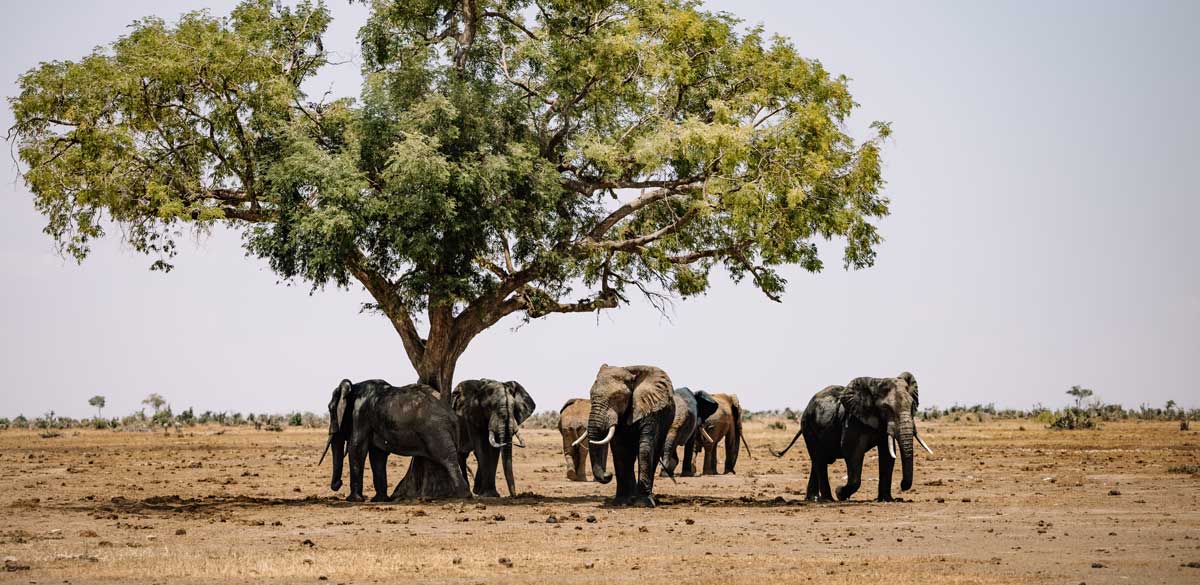
Zimbabwe’s safari areas are often remote, which adds a different dimension to Zimbabwe safari safety. Unlike urban environments, where services are immediately available, safari regions rely on planning and coordination.
Travellers typically access safari areas via:
- Light aircraft flights from major hubs
- Long-distance road transfers
- Combined itineraries linking multiple parks
These journeys are part of the experience but introduce logistical considerations such as:
- Timing of transfers
- Limited infrastructure in remote areas
- Dependence on operators for coordination
- Communication challenges in certain regions
Remoteness does not mean danger, but it does mean that response relies on systems rather than proximity. Lodges and operators are equipped to manage logistics, but travellers should understand that movement between destinations requires careful planning.
Delays due to weather, aircraft scheduling, or road conditions are not uncommon. These are typically managed effectively but require flexibility from travellers.
Zimbabwe safari safety is therefore closely linked to how well travel logistics are structured.
Camp Safety and Movement
One of the unique aspects of Zimbabwe safaris is the nature of the camps themselves. Many lodges and tented camps are unfenced, allowing wildlife to move freely through the area.
For first-time visitors, this can feel unfamiliar. However, it is a controlled environment with clear rules designed to ensure safety.
Camp protocols typically include:
- Escorted movement between rooms and main areas at night
- Clear instructions on when and where guests can walk
- Staff trained to monitor wildlife presence
- Design features that balance openness with safety
Travellers are advised to:
- Follow all lodge guidelines
- Avoid walking alone, especially after dark
- Keep doors and tents secured as instructed
- Remain aware of surroundings without becoming anxious
Wildlife encounters in camp are rare but possible. These are managed by trained staff, and guests are guided on how to respond if necessary.
The experience is designed to feel close to nature, but it is not without structure. Zimbabwe safari safety in camp environments depends on respecting this balance.
Emergency Response in Safari Areas
Emergency response in Zimbabwe’s safari regions is highly organised but relies on coordination rather than immediate access.
Lodges and operators are equipped to handle:
- Basic medical situations
- Communication with external services
- Initial response to incidents
For more serious situations, evacuation procedures are in place. These may involve:
- Air evacuation to major medical facilities
- Coordination with regional hospitals
- Communication with insurers and support services
Challenges in remote environments include:
- Distance from advanced medical facilities
- Dependence on aircraft or road transfers
- Limited immediate infrastructure
Despite these factors, systems are well established. Response is structured, and staff are trained to act quickly and effectively.
The key factor is not whether response exists, but how quickly it can be activated and coordinated.
Travel Safety Apps and Remote Safari Coordination
Zimbabwe safari safety is strengthened when travellers have access to immediate, coordinated support beyond the lodge environment.
TravelSafe SOS provides a central response system that can be activated instantly if an issue arises. This is particularly valuable in remote safari areas where coordination is essential.
The system enables:
- Real-time location sharing
- Immediate assessment by a control centre
- Coordination of medical and evacuation services
- Communication with insurer, travel agent, and next of kin
In practical terms, this means that if a situation develops, response begins immediately rather than after delays or uncertainty.
For travellers moving between multiple safari destinations, this continuity provides reassurance across the entire journey.