
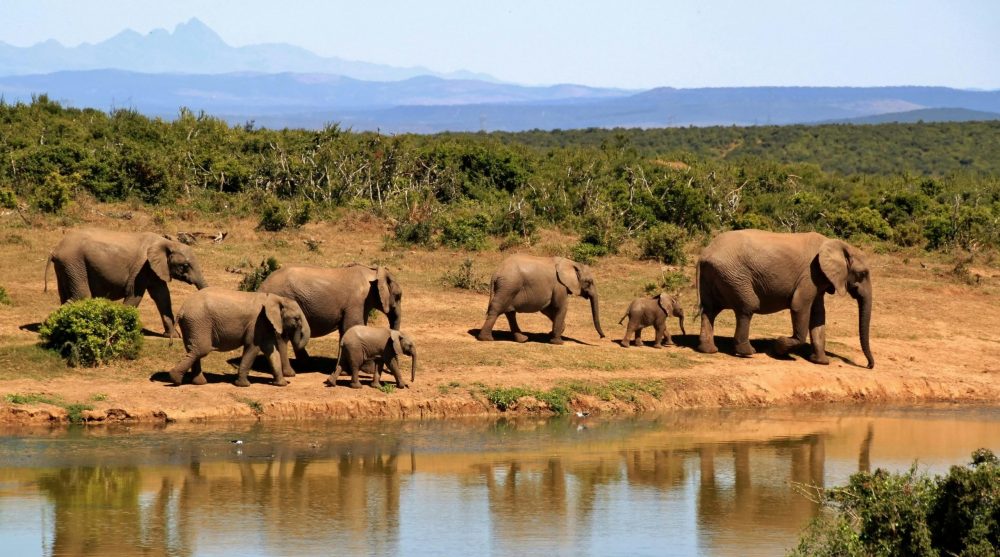
Why Understanding Wildlife Dangers on African Safaris. Stay Safe and Informed
African safaris offer some of the most breathtaking wildlife experiences on Earth. Yet many first time travellers feel anxious about potential wildlife dangers, especially in open vehicles or unfenced camps. Understanding wildlife dangers on African safaris 2026 helps travellers separate myth from reality and appreciate how safe these experiences truly are when guided by professionals.
TravelSafe SOS
Gives You Confidence Around Wildlife
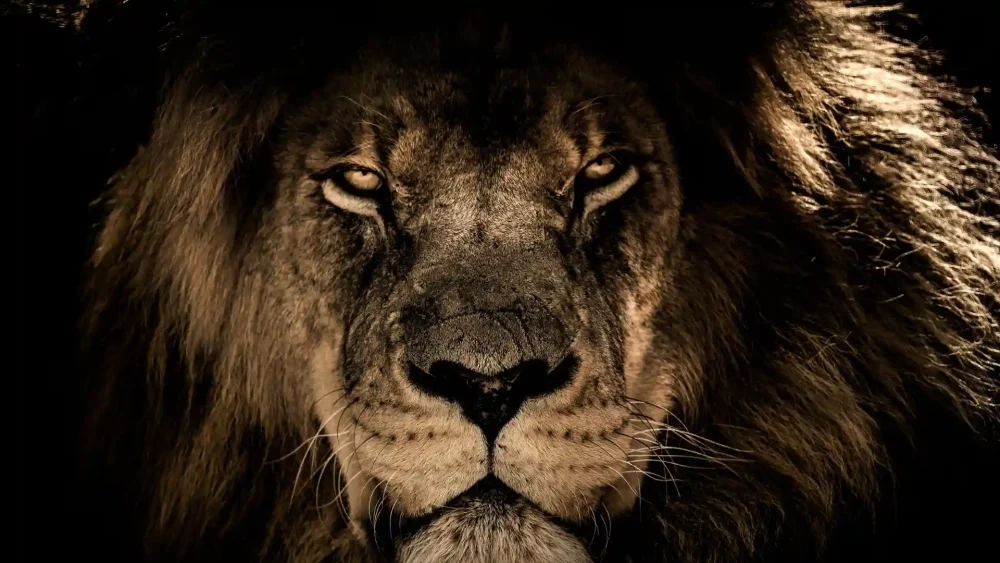
Even in well managed safari areas, travellers may worry about close wildlife encounters, nighttime animal movement, or visiting parks with limited signal. TravelSafe SOS provides reassurance by tracking your safari itinerary, storing emergency contacts, and offering one tap assistance during any unexpected situation. The control centre monitors your location and coordinates with operators if an emergency arises.
Understanding Real Wildlife Risks
Wildlife incidents are rare. Most risks arise when travellers break rules, pressure guides for risky views, or misunderstand animal behaviour. Guided game drives are designed to keep visitors safe. Respecting safety procedures drastically reduces risk.
Why Safari Guidelines Matter
Park rules protect both travellers and animals. Basic guidelines include:
- remaining seated in the vehicle
- keeping voices low
- avoiding sudden movements
- not leaning out or standing up
- following guide instructions
- not walking in bush areas unless authorised
These simple rules prevent almost all incidents.
Which Animals Pose the Highest Risk?
Risk depends on behaviour and context. The most sensitive species include:
- elephants
- buffalo
- hippos
- lions with cubs
- unpredictable solitary animals
- animals in musth or during mating season
Guides read behaviour and maintain safe distances.

Wildlife Around Camps
Many lodges in Botswana, Zambia, Tanzania, and South Africa are unfenced. At night, animals may pass through camps. Safety tips include:
- using provided escorts after dark
- avoiding walking alone
- keeping tents zipped
- storing food properly
- avoiding torch flashing at animals
Camp staff are trained to manage nightly wildlife movement.
Why Self Drives Require Extra Caution
Self driving offers freedom but requires knowledge. Risks increase when travellers:
- leave vehicles illegally
- drive too close to animals
- block animal pathways
- exit during lion or elephant sightings
- misjudge distance or body language
Guided drives are far safer for travellers unfamiliar with wildlife.
Heat, Dehydration, and Environmental Hazards
Heat poses more risk than wildlife in many parks. Travellers should:
- drink water often
- cover shoulders
- avoid afternoon walking safaris
- stay aware of dry riverbeds and loose sand
- keep emergency water in vehicles
Environmental awareness is part of overall safari safety.

When Wildlife Incidents Occur
In rare situations, lodges, rangers, and operators follow emergency protocols. Actions may include:
- moving vehicles away
- calling backup vehicles
- adjusting routes
- avoiding high risk areas
- notifying authorities
TravelSafe SOS supports these protocols by coordinating external help if needed.
TravelSafe SOS for Extra Security
Download TravelSafe SOS on Android or iPhone to stay fully supported across all wildlife regions.


Experience Wildlife Safely and Confidently
Wildlife encounters are the highlight of any African safari. With the right operator, trained guides, and the support of TravelSafe SOS, these experiences are safe, controlled, and unforgettable. Explore Africa’s wildlife with confidence and enjoy every moment of your 2026 safari.
FAQs Safari Wildlife Risks 2026
Are wildlife encounters dangerous for travellers in 2026?
Incidents remain extremely rare in 2026, especially when travellers follow guide instructions and established park rules. Professional guides understand animal behaviour, keep safe distances, and anticipate signs of stress before situations escalate. Most risks occur only when travellers ignore instructions, approach animals too closely, or behave unpredictably, which is why adherence to guidance is the strongest safety measure.
Which animals are most unpredictable on safari?
Elephants, buffalo, hippos, and big predators with cubs are considered the most unpredictable because their behaviour can shift rapidly based on stress, noise, or proximity. These species require additional distance, patience, and respect, particularly in areas where they encounter vehicles or people. Guides know the signs of agitation and position vehicles carefully to avoid confrontation and ensure guests remain safe throughout the experience.
Are unfenced safari camps safe?
Yes, unfenced safari camps remain safe because they operate with strict safety protocols developed over decades. Guests are escorted at night, pathways are monitored, and staff receive regular training on how to manage wildlife movement through camps. The natural design creates a true wilderness experience while still offering layered protection and security for travellers who follow camp guidelines.
Can I walk around lodges at night?
No, you should never walk alone at night in safari camps or lodges, even if the distance seems short. Many animals roam through camp after dark, and surprising them can result in dangerous encounters. Requesting an escort ensures you are guided safely between your tent, dining areas, and communal spaces, reducing any unnecessary risk.
Is self driving safe around wildlife?
Self driving can be safe if travellers follow strict discipline, stay in their vehicle, maintain proper distances, and understand park rules. However, first time safari travellers often misjudge animal behaviour or get too close in search of photos. For this reason, guided game drives are strongly recommended, since trained guides interpret wildlife signals and position vehicles safely at all times.
What is the biggest risk on safari apart from wildlife?
Heat, dehydration, and sun exposure cause far more incidents than wildlife, particularly during midday game drives or long outdoor activities. Travellers often underestimate how quickly conditions can change in open vehicles or walking safaris. Drinking water frequently, wearing sun protection, and taking breaks in shaded areas significantly reduce these preventable risks.
How does TravelSafe SOS improve wildlife safety?
TravelSafe SOS supports wildlife safety by giving travellers a reliable emergency communication lifeline even in remote or low signal regions. The app provides GPS location sharing, immediate access to a 24 hour control center, and coordinated medical or security support if an incident occurs. This added layer of real time assistance ensures travellers receive help quickly, even when far from lodge facilities or guides.