
What Solo Women Wish They Knew Before Traveling Africa in 2026
Solo female travel across Africa continues to grow, driven by women who want meaningful adventure, untouched wilderness, cultural immersion, and independence. Yet before arriving, many women feel a mix of excitement and anxiety, shaped by online forums, outdated stereotypes, or secondhand stories. The truth is that Africa is one of the most rewarding regions for solo women, and most fears dissolve once you are on the ground. This guide reveals the real insights solo women wish they knew before traveling Africa, blending practical advice, safety strategies, and myth-busting clarity for 2026 travellers.

How TravelSafe SOS Supports Solo Female Travelers Across Africa
Solo women often worry most about emergencies: what if something goes wrong, who do I call, and how fast will help arrive? Modern travel safety platforms like TravelSafe SOS change the entire experience by giving women a reliable, 24/7 support layer. The app provides real-time GPS location sharing, instant SOS access, a live control center, and coordination with medical or security teams across Southern and East Africa. This means you’re never truly alone, even when traveling independently.
Stay safe on every journey by installing TravelSafe SOS for Android or iPhone so help is always one tap away.
Myth 1: Africa Is Too Dangerous for Solo Women
Many women hesitate because of online fear-based narratives. The reality is that Africa’s major travel regions—Kenya, Rwanda, Namibia, Tanzania, Botswana, Mauritius, South Africa, Zanzibar—are built around tourism and have structured safety systems. Guided transport, established safari operators, safe hotels, and experienced staff make solo travel surprisingly secure.
Like any global destination, urban awareness matters, but the idea that Africa is universally unsafe is outdated. Millions of solo women travel here every year without incident.

Myth 2: Solo Women Stand Out Everywhere
Most solo female travelers discover that they blend in far more easily than expected. Africa’s tourism zones host travelers from all over the world, including large numbers of independent women. At hotels, safari lodges, markets, and airports, you’ll meet international visitors, local women travelers, and welcoming staff accustomed to solo explorers. Confidence, calmness, and cultural sensitivity go much further than trying to hide the fact that you’re alone.
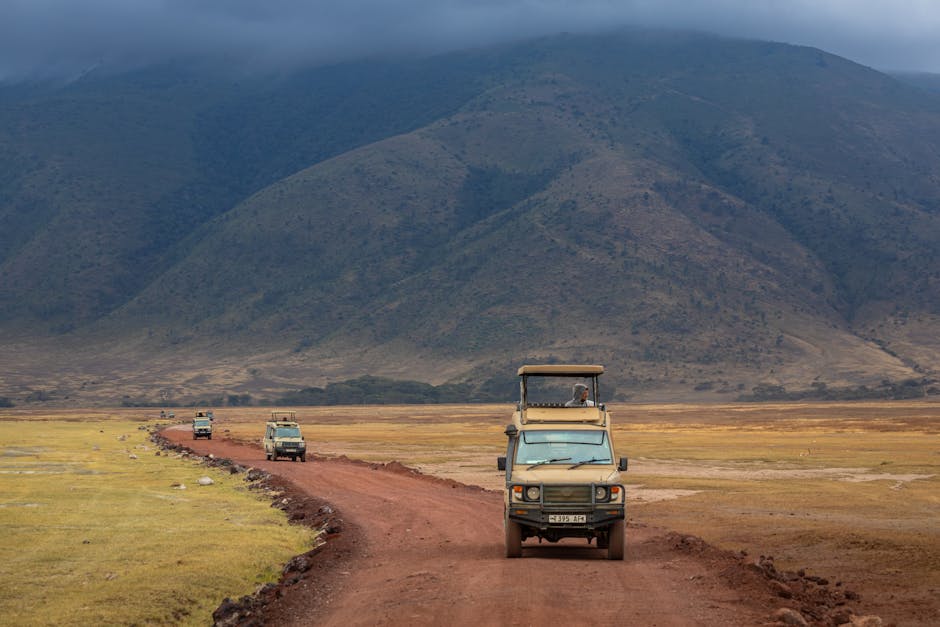
Myth 3: Safaris Are Unsafe Without a Group
Myth 4: Medical Care in Africa Is Poor
Africa has some of the best private hospitals on the continent, especially in major hubs like Johannesburg, Nairobi, Cape Town, Kigali, and Dar es Salaam. Safari regions have first responders, medical plans, and evacuation procedures. With travel insurance and an emergency safety app, women have multiple layers of protection.
Most medical concerns during travel—dehydration, stomach irritation, minor injuries—are manageable with basic precautions.
Myth 5: Transportation Is Hard to Navigate Alone
Solo women often worry most about transport. But Africa offers safe, structured options such as licensed airport transfers, hotel-approved taxis, reputable rideshare services, shuttle services, safari transfers, and guided day tours. Self-driving is possible in countries like South Africa and Namibia, and many women do it confidently.
The key is avoiding late-night travel, sticking to major roads, and using pre-booked providers.

Practical Advice Solo Women Wish They Knew Before Traveling Africa
You Don’t Need to Rush Anything
Africa rewards slow, mindful travel. Most women wish they planned fewer destinations and deeper experiences.
Locals Are Helpful and Protective
In many cases, women are surprised by how quickly staff, guides, hosts, and local communities assist solo travelers. Tourism culture is strong and hospitable.
Learning Basic Local Etiquette Goes a Long Way
Simple greetings, modest dress in rural areas, and awareness of cultural norms improve comfort and reduce unwanted attention.
Your Confidence Grows Within the First 24 Hours
Most women discover that initial anxiety fades fast once they meet local guides, settle into routines, and understand daily rhythms.
You Don’t Need to Be Brave—Just Prepared
Preparation, structure, and solid safety tools matter more than bravado. Having an app-based support system adds peace of mind.

Before You Travel: A Safety Checklist for Solo Women
- Book accommodations in safe, well-reviewed areas
- Use airport transfers arranged by your lodge or hotel
- Avoid walking alone at night in major cities
- Keep valuables secure and minimal
- Carry a power bank and offline maps
- Share your itinerary with someone you trust
- Register with a safety platform like TravelSafe SOS
- Dress modestly in rural areas
- Take guided experiences in unfamiliar regions
- Trust your instincts if something feels off
If You Ever Feel Lost, Uncertain, or Overwhelmed
Travel through Africa with confidence, preparation, and real-time backup. Download TravelSafe SOS and give yourself trusted, 24/7 protection across Southern and East Africa. With instant SOS support, GPS tracking, and a live emergency control centre, solo travel becomes safe, empowering, and deeply rewarding.
Give yourself the confidence to travel Africa independently by installing TravelSafe SOS on iPhone or on an Android device before your journey. The app keeps trained responders one tap away, giving solo women real time support, location-based assistance, and peace of mind wherever they travel.
FAQs Solo Female Africa Tips
Is Africa safe for solo female travelers in 2026?
Yes. Safety depends on destination selection, awareness, transport choices, and structured planning. Tourism regions across South Africa, Namibia, Kenya, Tanzania, Rwanda, Botswana, and Mauritius are well-developed and familiar with hosting solo women. Choosing reputable lodges, pre-booking transfers, avoiding night travel, and using trusted support tools significantly reduces risk. Most solo women report feeling far safer on safari than in many major global cities.
What should solo women avoid doing in African cities?
Avoid walking alone after dark, taking unlicensed taxis, displaying expensive items, accepting unsolicited help, or wandering into unfamiliar neighborhoods without guidance. Stick to well-lit areas, reputable hotels, and licensed transport. Many solo travelers also prefer dining inside their hotel at night to avoid unnecessary movement.
How can solo women stay connected during remote travel?
Carry a high-capacity power bank, download offline maps, share your itinerary, and use travel apps that store safety details even without signal. TravelSafe SOS remains active through offline check-in monitoring and reactivates automatically when connectivity returns, ensuring support channels are always available.
Do safari lodges accommodate solo women safely?
Yes. Lodges are highly structured, with escorts after dark, trained guides, safety briefings, and secure accommodation. Solo travelers often join shared game drives, which create social, supportive environments. Lodges regularly host independent female guests and are accustomed to providing additional reassurance.
What are the best safety tools for solo female travelers in Africa?
Offline maps, local emergency numbers, a charged phone, reputable transport providers, and a safety app with GPS monitoring and SOS features. TravelSafe SOS allows instant emergency escalation, location sharing, and automatic alerts to operators and next of kin.
How can solo women handle travel anxiety in unfamiliar places?
Preparation is key: research areas, choose strong accommodation, arrange transfers in advance, and maintain communication with family. Slow breathing, grounding, and relying on your tour operator or safety support app can help during overwhelming moments. Confidence grows as routines develop.
What should solo women do if they feel unsafe?
Move to a public or well-lit place, contact your lodge or operator, request licensed transport, and activate your safety app if required. Trust your instincts and avoid engaging with persistent strangers. Lodges, hotels, and tourism staff are trained to assist solo women promptly.