
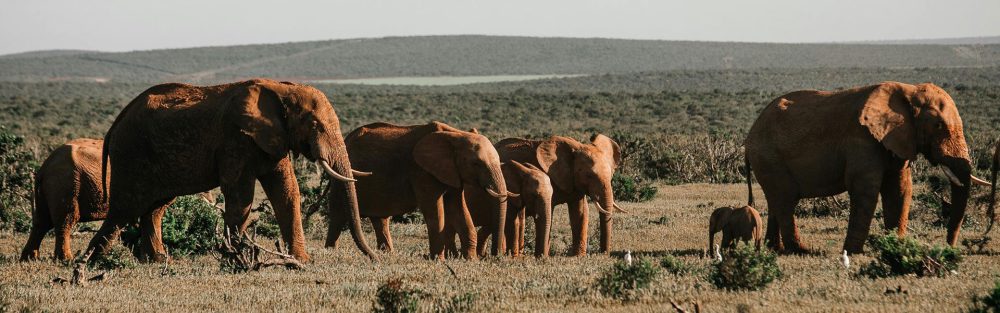
Understanding Safari Risks in Remote African Destinations
Safaris are one of the most iconic travel experiences in the world. Millions of travellers visit Southern and East Africa every year to explore national parks, witness wildlife, and enjoy remote lodges. Safaris are generally very safe, but they are not risk free. This Africa Safari Safety Guide highlights the hidden risks that travellers rarely hear about and explains how to prepare effectively.
Most safari incidents are preventable. They usually occur because travellers misunderstand wildlife behaviour, underestimate distances, or do not know what to do in an emergency. This guide provides realistic insights that help visitors enjoy Africa with confidence, awareness, and the right safety tools.
Why Safari Travel in Africa Requires Special Awareness
Safari destinations are often located in remote wilderness areas far from towns, hospitals, or consistent mobile signal. Travellers must understand that conditions differ from urban environments. National parks in South Africa, Zimbabwe, Zambia, Tanzania, Kenya, Namibia, Botswana, Malawi, and Rwanda each have unique landscapes and wildlife patterns.
The remoteness is part of the attraction, but it also means travellers must be prepared for delays in response times, changing weather, and limited infrastructure.
Hidden Risk 1, Misunderstanding Wildlife Behaviour
Most travellers have never been close to wild animals before. Lions, elephants, buffalo, hippos, rhinos, and predators behave unpredictably. Approaching animals too closely or leaving the vehicle at the wrong time can lead to danger.
Safari guides are trained to read animal behaviour and maintain safe distances. When travellers ignore instructions or attempt to get closer for photographs, the risk increases dramatically.
Hidden Risk 2, Poor Mobile Signal in Many Parks
Many national parks have weak or intermittent connectivity. This is especially true in Kruger National Park, Etosha, Moremi, Kafue, Hwange, Serengeti, Masai Mara, Selous, and Gorongosa.
Travellers cannot rely on mobile networks when something goes wrong. This is why offline safety features and emergency coordination services are essential.
Hidden Risk 3, Long Distances to Medical Facilities
Safari lodges are usually located far from hospitals. If a traveller suffers a medical emergency, dehydration, allergic reaction, severe injury, or snake bite, immediate on site first aid is vital while waiting for evacuation.
Understanding that medical response may take time helps visitors plan better and carry necessary medication and hydration supplies.
Hidden Risk 4, Road and Vehicle Incidents
Self drive safaris are growing in popularity, but they bring unique challenges. Gravel roads, potholes, soft sand, animal crossings, and long distances increase the risk of accidents. Visitors unfamiliar with local driving conditions often underestimate how quickly situations can change.
Even guided safari vehicles can face challenges during storms, on slippery terrain, or near river crossings.
Hidden Risk 5, Weather Changes and Environmental Hazards
Safari regions experience lightning storms, extreme heat, bushfires, flooding, and sudden shifts in weather. These conditions affect visibility, vehicle movement, and wildlife behaviour. Heat exhaustion is a common concern during summer months, especially in Namibia, Botswana, Malawi, and Tanzania.
Hidden Risk 6, Getting Lost in Large Wilderness Areas
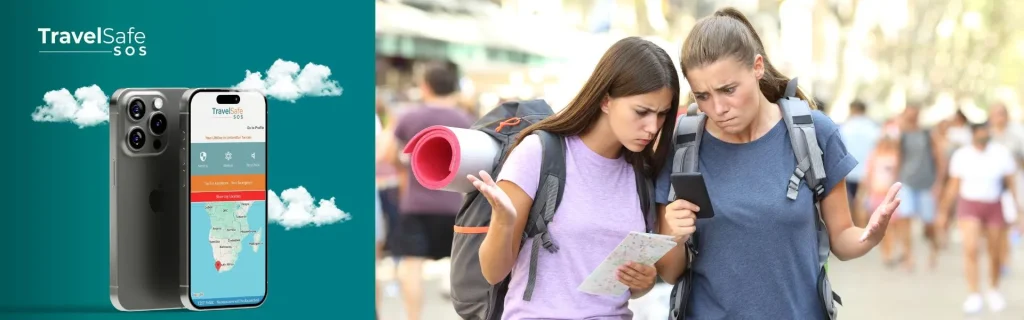
National parks cover enormous areas. Travellers who leave designated paths, wander off hiking trails, or attempt self navigation without knowledge of the terrain can quickly become lost.
Being lost in the wilderness increases exposure to wildlife, dehydration, and missed communication windows.
Hidden Risk 7, Not Knowing What To Do During an Emergency
Many travellers expect safari lodges or fellow visitors to manage emergencies, but incidents often happen when travellers are alone on walking trails, driving independently, or at remote picnic sites. Knowing how to respond can be life saving.

How TravelSafe SOS Supports Safari Travellers Across Africa
Safari travellers need support that goes beyond travel insurance. TravelSafe SOS provides:
- Immediate callback from a 24 hour control center
- GPS location tracking across safari regions
- Emergency coordination with rangers, medical teams, and security responders
- Offline features for low signal areas
- Weather alerts, safety notifications, and hazard warnings
- Multi country coverage across all major safari destinations
This system fills the gap between incident and response, ensuring travellers are never alone during emergencies.
Practical Tips to Improve Safari Safety in 2026
Always Follow Your Guide’s Instructions
The most experienced safari travellers listen to their guide at all times. Guides understand animal behaviour, safe distances, and environmental risks.
Respect Wildlife
Do not attempt close range photos, feeding, or unnecessary movement. Keep limbs inside vehicles and avoid sudden sounds or movement.
Stay Hydrated and Protect Against Heat
Carry water at all times. Drink regularly even when not thirsty. Heat exhaustion is a leading cause of safari related discomfort.
Use Reliable Transport
Choose well maintained safari vehicles or trusted 4×4 hire companies for self-drive routes.
Prepare for No Signal
Download maps, use apps with offline safety features, and tell someone your expected route.
Avoid Isolated Walking or Driving
Solo exploration increases risk. Try to remain within designated safari zones or with groups.
Why Safari Safety Is Better in 2026 Than Ever Before
Safari operators have improved training, vehicle safety, emergency protocols, and environmental monitoring. Combined with digital safety tools, travellers are better equipped than at any time in the past. Awareness is rising and visitors are more proactive about using technology and information to reduce risks.
Your Safari Safety Support System for Africa
TravelSafe SOS helps travellers navigate safari regions with confidence by providing real time alerts, guidance and emergency coordination. Whether dealing with wildlife encounters, navigation problems or unexpected health concerns, the app connects you to a trained control center ready to respond across Southern and East Africa. This immediate communication is critical in remote areas where delays can affect safety.
Download TravelSafe SOS to access 24 hour emergency support during your safari journey. The app ensures travellers receive fast advice, accurate location sharing and coordinated help when needed. Stay protected, informed and fully supported on every safari adventure.
FAQs Safety on Safari in Africa
Are African safaris safe in 2026
Yes. Safaris are safe when travellers follow guidance and understand wildlife behaviour. Most incidents are preventable with awareness and good preparation.
What is the biggest risk on safari
The greatest risk comes from misunderstanding wildlife behaviour. Getting too close to animals or ignoring guide instructions creates unnecessary danger.
What should I do if my vehicle breaks down during a safari
Stay inside the vehicle, avoid walking and call TravelSafe SOS. The control center will provide instructions and help coordinate support.
How far are safaris from medical facilities
Many safari regions are located hours from hospitals. Lodges offer first aid and TravelSafe SOS helps coordinate medical evacuation when required.
Is self drive safe in safari parks
Yes, but only with proper planning. Routes can be challenging and animals unpredictable, so travellers must understand driving conditions and use safety tools.
Are walking safaris safe for beginners
Yes. Walking safaris are led by trained guides and are safe when travellers listen to instructions and stay close to the group.
Why do I need a safety app on safari
Safari environments are remote and response may be slow without support. TravelSafe SOS provides real time assistance, location sharing and emergency coordination.