
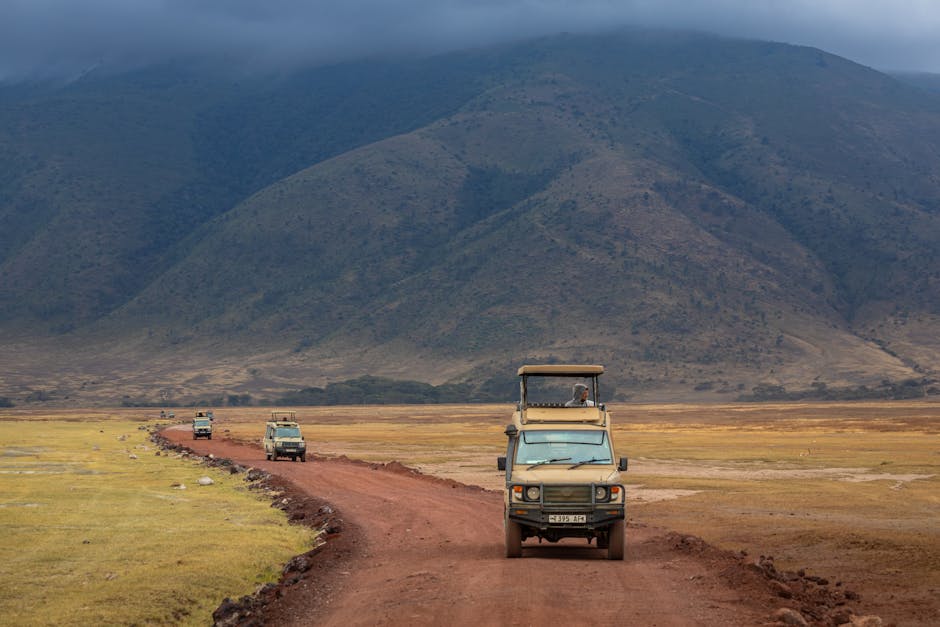
Africa’s national parks are among the most breathtaking wild spaces on the planet—home to elephants, lions, rhinos, leopards, giraffes, hippos, primates, and hundreds of bird species. While most visitors explore these parks with professional guides, an increasing number of independent travellers are choosing self-drive safaris or walking viewpoints without an escort. Entering these parks unguided can be both thrilling and risky, as the wildlife, terrain, distances, and infrastructure differ dramatically from urban environments.
Travelling unguided inside African national parks demands a deeper understanding of wildlife behaviour, emergency procedures, and park regulations. This guide provides practical steps for safe, responsible exploration—whether you’re self-driving in Etosha, walking in Table Mountain National Park, photographing landscapes in Kruger, or birding in Queen Elizabeth National Park.
How TravelSafe SOS Protects Unguided Park Visitors
Unguided travellers need an added safety layer, especially when they may lose signal, become disoriented, or encounter wildlife issues. TravelSafe SOS enhances national park safety Africa by offering:
- real-time GPS tracking inside and around major parks
- a 24/7 human response centre monitoring check-ins
- emergency dispatch to rangers, medical units, or park authorities
- stored itineraries even when mobile signal drops
- automatic alerts if you miss scheduled arrival times
- simultaneous notifications to your operator and next of kin
- guidance during wildlife, medical, or security emergencies
Unguided travel requires more self-reliance—which is why having external, verified support can prevent small problems from becoming serious crises.

Why Travellers Visit Parks Without Guides
Unguided exploration is growing due to:
- the rise of self-drive tourism in Namibia, Botswana, and South Africa
- increased availability of high-clearance rental vehicles
- new 2026 digital permits and park apps making entry easier
- independent photographers and birders seeking flexibility
- experienced travellers who prefer slow, private exploration
Unguided travel can be safe—but only when approached with knowledge, situational awareness, and proper preparation.

Understanding Wildlife Behaviour
Unguided travellers must recognise that wildlife is unpredictable. Key behaviours to understand:
Elephants
- may charge when surprised or blocked
- dislike sudden movements, noise, or close vehicle spacing
- mothers with calves are extremely protective
Buffalo
- hostile when injured or separated from a herd
- frequently stand in tall grass or near water
Hippos
- appear slow but are extremely fast and territorial
- cause more human injuries than big cats
Lion & Leopard
- usually avoid humans but can be bold during drought, illness, or hunger
- should never be approached on foot, even if resting
Baboons
- intelligent and opportunistic
- can open cars or backpacks
Unguided travellers must give animals space, remain inside vehicles, and always assume wildlife may react suddenly.

Essential Vehicle and Road Safety
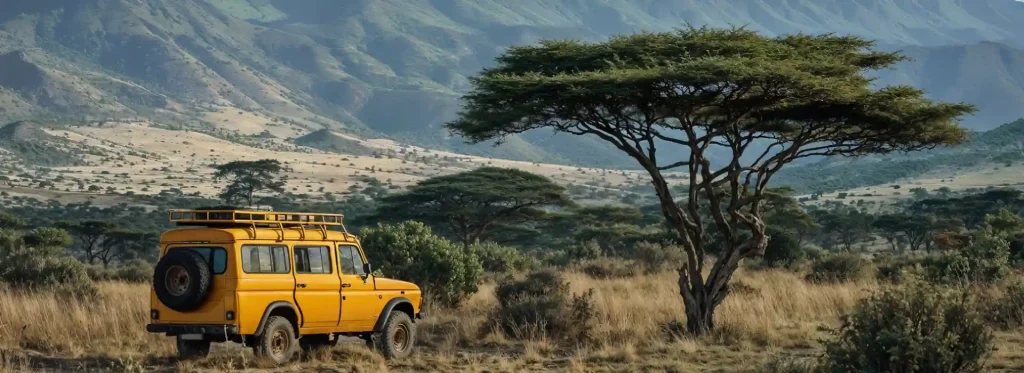
Many unguided accidents involve vehicles, not animals. Roads can shift quickly from tar to gravel, and conditions inside parks vary daily.
Vehicle Safety Basics
- use high-clearance SUVs or 4x4s
- carry at least one full spare tyre, ideally two
- never exceed 40 km/h inside parks
- avoid sudden braking near animals
- keep windows mostly closed when predators are near
Road Awareness
- avoid muddy tracks in rainy seasons
- never cross water deeper than the wheel hub
- beware of riverbeds, which flood rapidly
- check daily road conditions with park authorities
Travel inside parks is slow—rushing increases risk.
Navigation and Staying on Approved Routes
Unguided travellers must never rely solely on GPS. Many parks have unmarked or restricted roads.
Navigation Tips
- download offline maps
• track progress with physical park maps
• avoid driving near dusk—animals become more active
• stay within designated viewing areas
• follow ranger signage strictly
Getting lost inside a national park is common—but preventable with careful route planning.

Foot Safety, Viewpoints, and Walking Hazards
Many travellers underestimate the danger of getting out of their vehicle.
Avoid walking unless in designated areas. Even then:
- scan surroundings for buffalo, elephant, or predators
- avoid dense vegetation
- keep noise to a minimum to avoid startling animals
- never walk near rivers or waterholes
- remain aware of wind direction (animals smell you long before they see you)
Most wildlife charges occur because travellers unknowingly approach animals too closely.
Managing Emergencies in the Wild
Common emergencies in unguided park travel include:
Vehicle breakdowns
- stay with the vehicle
- raise the hood or place reflective triangles
- avoid walking for help
Medical incidents
- dehydration
- allergic reactions
- heatstroke
- snake bites
- injuries from falls
Wildlife encounters
- blocked roads
- mock charges by elephants
- predators approaching vehicles
Lost travellers
- stay in one location
- conserve water
- use TravelSafe SOS once signal returns
- make yourself visible to rangers
Unguided travellers must always remain calm—panic leads to poor decisions.
Preventing Dangerous Situations
Prevention is the most powerful safety tool. Before entering the park, travellers should:
- inform someone of their route
- store emergency contacts offline
- carry at least 5–7 liters of water per person
- pack snacks, a first-aid kit, and recovery gear
- ensure fuel is at least 70% full
- avoid all night driving
- follow park regulations exactly
Most serious incidents happen when travellers ignore rules or deadlines.
Explore Africa Independently—with Trusted Support
If you plan to explore national parks without a guide, protect yourself with reliable backup. Install TravelSafe SOS on Android or iPhone so trained responders always know your location and can coordinate help during wildlife incidents, breakdowns, or medical emergencies.


FAQs National Park Safety Africa
Is it safe to visit African national parks without a guide?
Yes—if travellers stay in their vehicles, respect park rules, avoid risky areas, and understand basic wildlife behaviour. However, unguided travel carries more risk due to unpredictable animals, changing road conditions, and limited connectivity. Using a safety tool like TravelSafe SOS significantly improves outcomes in emergencies.
What should I do if wildlife blocks the road while self-driving?
Stay calm, switch off the engine, avoid sudden movements, and give the animals space to move at their own pace. Never honk your horn or try to push through. If the animal seems stressed, slowly reverse until you create a safe distance. Always allow elephants, buffalo, and predators to control the road.
How can I avoid getting lost in African national parks?
Carry offline maps, use park-issued paper maps, follow signposted routes, avoid unmarked tracks, and check park updates daily. Congestion, outdated GPS data, and temporary road closures can mislead travellers, so verifying routes with rangers is essential. TravelSafe SOS helps track your movement and alerts responders if you miss a scheduled check-in.
What emergencies are most common for unguided travellers?
Breakdowns, tyre punctures, dehydration, extreme heat, getting stuck in sand, mock elephant charges, and navigation errors are common. Medical problems such as allergies, heatstroke, or dehydration also occur frequently. Staying with your vehicle and activating TravelSafe SOS when possible greatly increases safety.
Can I walk around freely inside national parks?
No. Walking without a certified ranger is prohibited in nearly all wildlife parks due to the danger posed by elephants, buffalo, hippos, predators, and snakes. Even short walks to viewpoints require caution. Always remain close to your vehicle and stay in designated safe zones.
What should I do if my vehicle breaks down inside a park?
Stay inside or close to the vehicle—this keeps you safest. Use hazard lights or reflective material to increase visibility. Try to contact park authorities, and once signal returns, activate TravelSafe SOS. Rangers will dispatch help or instruct you on what to do next.
Do wildlife attacks on unguided travellers happen often?
Not frequently, but incidents do occur—especially when travellers approach animals too closely, exit vehicles in unsafe areas, or misjudge animal behaviour. Most attacks are preventable with proper awareness, distance control, and adherence to park regulations.
Explore Africa’s Wildest Places with Complete Confidence
Africa’s national parks offer extraordinary opportunities for independent adventure—but unguided travel requires smart preparation and real-time support. TravelSafe SOS gives you an essential safety layer, providing GPS-backed emergency assistance across multiple African countries. Whether encountering wildlife, facing a breakdown, or losing signal, you’re never alone.
Download TravelSafe SOS and travel Africa with confidence, security, and peace of mind.