

2026 Guide to Family Travel Safety in Africa
Africa remains one of the most rewarding destinations in the world for family travel. Children encounter wildlife in its natural habitat, parents experience genuine hospitality and diverse cultural landscapes, and multigenerational groups discover activities suited to every age and energy level. From the scenic drives and beaches of Garden Route to the iconic plains of Kenya, from the calm, resort-style coastlines of Mauritius to conservation-driven nature experiences in Rwanda, the continent has firmly positioned itself as a leading choice for families seeking meaningful, immersive travel.
However, travelling with children or teenagers requires additional structure. Distances between destinations can be substantial. Wildlife environments demand clear behavioral rules. Road conditions and flight schedules may differ from what families are accustomed to in Europe or North America. Medical infrastructure varies between urban centers and remote safari areas, and evacuation planning requires realistic understanding.
Family travel safety in Africa is not about discouragement. It is about preparation that matches the environment. Parents must consider age-appropriate safari activities, lodge policies regarding children, transport duration tolerance, hydration management in warm climates, and communication strategies during cross-border transitions. Teenagers require digital connectivity planning and structured expectations during guided experiences.
This guide examines family travel safety across Africa in practical terms. It outlines how to plan realistic routing, choose family-ready accommodation, understand wildlife safety briefings, prepare for remote medical scenarios, and maintain communication throughout complex itineraries.
With the right preparation, Africa offers families not only adventure, but confidence. Structured planning, informed decision-making, and access to coordinated support ensure that your 2026 African journey remains safe, enriching, and fully supported from arrival to departure.
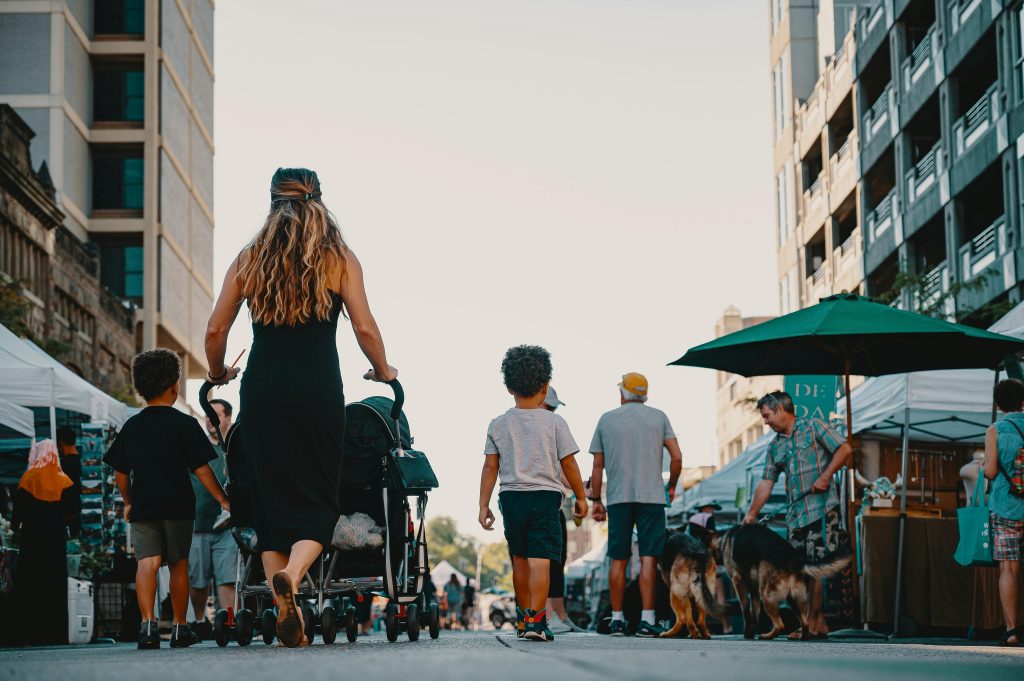
How TravelSafe SOS Helps Keep Families Safe in Africa
Family safety improves dramatically when parents know that help is always available, even in remote regions. TravelSafe SOS provides an essential safety net for families by combining real-time alerts with immediate access to trained emergency responders.
With TravelSafe SOS, parents benefit from:
• 24/7 live emergency support across multiple African countries
• one-tap SOS assistance for medical or security emergencies
• GPS location sharing to monitor family movements
• overdue arrival checks for long transfers or self-drives
• access to verified clinics and family-friendly medical facilities
• automatic alerts sent to next of kin, operators, and insurers
• support during low-signal or offline situations
The app gives families the reassurance they need when travelling with children through wildlife areas, national parks, islands, busy airports, or unfamiliar cities.
How TravelSafe SOS Helps Keep Families Safe in Africa
Families are choosing Africa more than ever because:
• safari operators now specialise in child-friendly experiences
• family rooms and villas are common in major destinations
• airports and airlines have improved regional access
• beaches and islands offer safe, calm swimming zones
• educational travel experiences are in high demand
Parents also value Africa’s strong guiding culture—guides play an essential role in keeping children safe during wildlife activities, hikes, boat trips, and cultural excursions.
Choosing Safe Destinations for Family Travel
Certain African regions are particularly well suited to family travel because they combine established tourism infrastructure, dependable medical access, structured guiding standards, and clear safety protocols. These destinations have refined their family offerings over time, making logistics smoother and reducing operational stress for parents.
Top family friendly regions include:
South Africa
Cape Town, the Garden Route, Sun City, and private reserves bordering Kruger National Park offer excellent roads, advanced healthcare in major cities, malaria-free zones in certain areas, and a wide range of accommodation styles suited to families.
Kenya
The Masai Mara, Diani Beach, and Laikipia conservancies provide experienced safari guides, structured wildlife viewing rules, and coastal relaxation options that balance adventure with recovery time.
Tanzania
The Serengeti National Park, Arusha as a stable safari gateway, and the beaches of Zanzibar combine iconic wildlife with family ready beach extensions.
Botswana
The Okavango Delta and Chobe National Park offer highly regulated safari frameworks. Many lodges provide child friendly programs with strict safety supervision.
Mauritius
Excellent for babies, toddlers, and multigenerational travel, with resort infrastructure, reliable healthcare access, and calm lagoon beaches.
Namibia
Etosha National Park, Swakopmund, and Sossusvlei provide spacious landscapes, strong road infrastructure, and low population density, which enhances safety.
Rwanda
Known for cleanliness, strong governance, and structured tourism oversight, particularly in Kigali and national park regions.
Families should prioritize destinations offering reliable transport logistics, experienced guides trained in child safety, and accommodation designed with family-specific considerations such as secure layouts, medical access planning, and structured activity supervision. In Africa, the right regional choice significantly strengthens both safety and enjoyment.

Safari Safety for Children and Teens
Safaris are exceptionally safe when professional protocols are respected and parents remain actively attentive. Wildlife reserves operate within structured safety frameworks, but children must understand that safari environments are not controlled spaces. Animals move freely, and behavior can change quickly if boundaries are ignored.
Key safari safety guidelines for families include:
• Children must remain seated at all times inside safari vehicles
• Never allow children to stand, lean out, or reach beyond vehicle frames for photographs
• Keep voices calm and noise levels low during wildlife sightings
• Request family-friendly guides experienced in working with children
• Avoid walking unaccompanied at lodges, particularly after dark
• Follow all lodge escort policies between rooms, dining areas, and vehicles
• Select lodges that offer child-appropriate activities such as junior ranger programs, supervised bush skills sessions, child menus, and earlier dining options
Professional guides are trained to interpret animal behavior and maintain safe distances, but parental reinforcement of instructions is essential. Children should be briefed before the first game drive so expectations are clear.
It is also important to confirm age policies in advance. Not all safari camps accept young children, particularly in walking safari concessions or small, intimate camps. Minimum age requirements vary widely and are enforced for both safety and guest experience reasons.
When families choose appropriate lodges and follow established rules, safari travel becomes one of the most structured and enriching experiences available to children. Preparation and supervision are the foundation of safe wildlife encounters.
Beach and Coastal Safety for Families
Africa’s beaches are spectacular but require awareness. Safest family destinations include Mauritius, Zanzibar’s northern beaches, Mozambique’s sheltered bays, and Cape Town’s Clifton beaches.
Parents should:
• monitor tides and waves
• use reef-safe sunscreen
• ask about jellyfish or sea urchins
• avoid swimming near estuaries
• choose beaches with lifeguards when possible
• ensure children wear sandals on coral-based beaches
Boat transfers should only be done with licensed operators and in suitable weather conditions.
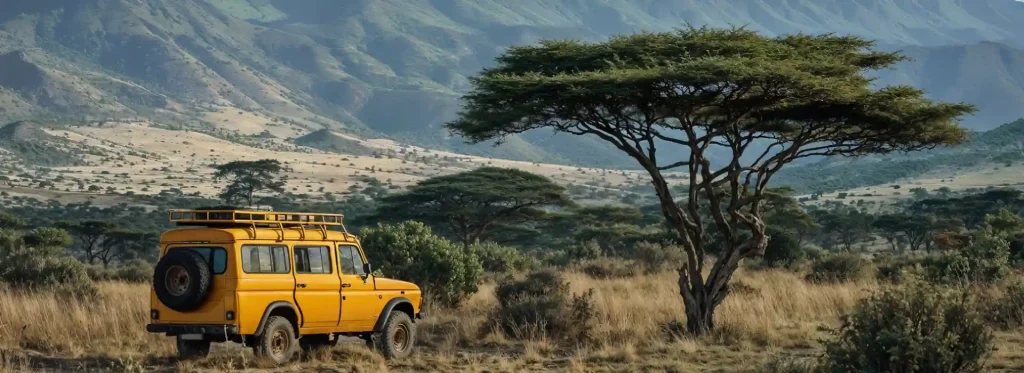
Road and Transport Safety for Families
Transport safety significantly improves family travel outcomes. Parents should:
• avoid driving at night
• use car seats (bring your own or request from operator)
• choose reputable transfer companies
• confirm 4×4 vehicles for rural regions
• carry snacks, water, and medication for long drives
• save offline maps before leaving cities or main highways
Traffic rules vary by country, so preparation is key.
Medical Preparedness for Family Travel
Family health preparation is a central component of safe travel across Africa. Most health concerns experienced by families are manageable, but they require awareness and proactive planning. Environmental differences such as heat, humidity, altitude, and rural distances mean parents should anticipate routine issues before departure.
Common family health considerations include:
• Dehydration, particularly in warm safari and coastal regions
• Heat exhaustion during midday outdoor activities
• Mosquito bites in malaria-risk zones
• Minor cuts, scrapes, or insect-related skin irritation
• Food sensitivities or dietary adjustments when changing cuisines
• Altitude-related discomfort in mountainous or high-elevation areas
Advance preparation reduces stress and prevents minor issues from escalating.
A practical family travel medical kit should include:
• Plasters and antiseptic wipes or solution
• Antihistamines for allergic reactions
• Electrolyte sachets for hydration support
• Age-appropriate pain relief medication
• Oral rehydration salts
• Any prescribed medication in original packaging, with copies of prescriptions
Parents should also ensure children stay hydrated consistently, use high-SPF sunscreen, wear hats during peak heat hours, and follow mosquito prevention guidance where applicable.
If medical care is required, structured support becomes critical. TravelSafe SOS assists families by directing them to vetted private clinics and appropriate healthcare facilities within their region. Instead of searching independently in unfamiliar environments, families receive coordinated guidance, reducing unnecessary movement and ensuring access to suitable medical standards.
Preparation and rapid access to professional support allow families to travel confidently, knowing that routine health concerns can be managed efficiently and safely.
How to Prepare Kids Emotionally for Travel
Children often feel anxious in new environments. To prepare them:
• talk through safari rules ahead of time
• show photos of wildlife, lodges, and guides
• explain cultural differences in a positive way
• discuss safety routines calmly
• reassure them that adults and professionals manage the details
Well-prepared children behave more confidently during activities and transitions.

Download TravelSafe SOS Before Travelling as a Family
Families traveling across Africa can improve their safety and peace of mind by installing the TravelSafe SOS app before their trip. iPhone users can download the app here:

And Android users can install it here:

Download the Solo Travel Safety Africa 2026 app to understand how real time support protects independent travellers. The app works even in low signal environments and keeps your location visible to responders during emergencies. Give yourself peace of mind before your trip by installing the app that supports you across 17 countries.
FAQs Family Travel Safety in Africa
Is Africa safe for family travel in 2026?
Yes. Many African countries offer excellent tourism infrastructure, experienced child-friendly guides, and highly secure lodges. Family travel safety Africa requires awareness of wildlife rules, transport planning, weather considerations, and the use of tools like TravelSafe SOS to handle medical or communication challenges. Most family trips are smooth, structured, and unforgettable.
Which African countries are best for family-friendly safaris?
South Africa, Kenya, Tanzania, Botswana, and Namibia offer exceptional family safaris with trained guides, accessible medical support, and well-managed parks. Private reserves often allow more flexible activities for children, making them ideal for first-time family visitors.
How can families keep children safe around wildlife?
Children must remain seated, quiet, and attentive during wildlife encounters. Parents should brief their children before game drives and follow guide instructions at all times. Lodge escorts after dark and supervised walkways further reduce risk in wildlife regions.
What medical concerns should families prepare for?
Common issues include dehydration, heat-related symptoms, mosquito bites, stomach discomfort, and minor injuries. Parents should pack child-appropriate medication and ensure kids drink enough water. For emergencies, TravelSafe SOS connects families to vetted clinics and immediate responders.
How can families stay safe in African cities?
Choose safe neighbourhoods, use licensed transport, avoid nighttime walks, and keep valuables secure. Families should rely on trusted guides or operators when exploring unfamiliar urban areas like Nairobi, Cape Town, or Dar es Salaam.
Should families self-drive in Africa?
Self-driving is safe in destinations like South Africa and Namibia if families plan routes, use suitable vehicles, and avoid night driving. Long-distance drives should include rest stops, snacks, and backup navigation tools.
How does TravelSafe SOS help families during emergencies?
The app offers one-tap access to a 24/7 control centre, GPS tracking for children and parents, medical coordination, and automated alerts to next of kin and operators. This consistent support is invaluable when travelling with kids through remote or varied landscapes.
Explore Africa With Family Confidence
Travelling as a family in Africa is one of the richest and most inspiring experiences you can share. With the right preparation, child-friendly planning, and reliable emergency support, your journey becomes safer, smoother, and stress-free. Let TravelSafe SOS be the safety net that supports your family at every moment—from safari to coast and everywhere in between. Download the app and explore Africa with confidence, security, and peace of mind.