
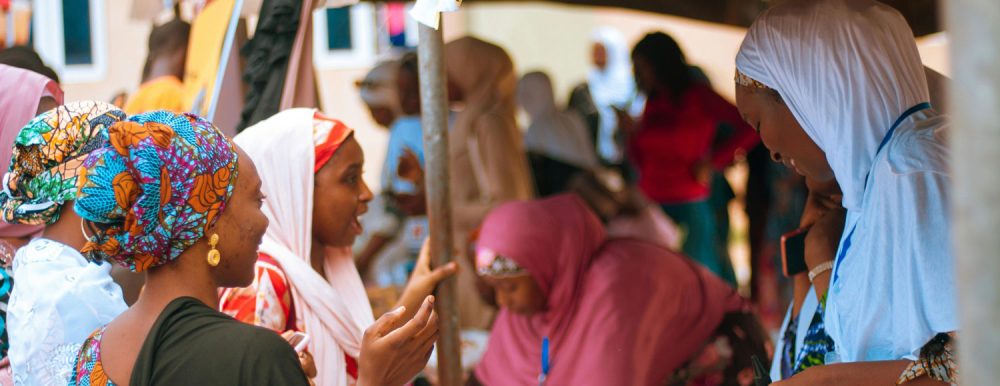
Understanding Safety in Africa’s Vibrant Market Environments
African markets are some of the most vibrant, sensory-rich travel experiences on the planet. From the spice stalls of Zanzibar to the craft markets of Johannesburg, Kigali’s clean and organized bazaars to Nairobi’s energetic street vendors, these spaces offer color, culture, flavor, and human connection. Yet their energy can also feel overwhelming for travellers unfamiliar with the pace, crowd patterns, and informal systems that shape local trade.
Whether you’re browsing beadwork in Windhoek, sampling street food in Dar es Salaam, bargaining in Maputo, or exploring artisan cooperatives in Uganda, understanding African market safety ensures you enjoy the experience with confidence and awareness.
How TravelSafe SOS Supports Traveller Safety in Busy Market Environments
Markets are high-movement spaces where travellers may momentarily lose orientation, encounter aggressive vendors, or navigate areas with mixed security levels. TravelSafe SOS strengthens African market safety by:
- offering real-time location tracking for solo travellers
- providing one-tap emergency contact to a 24/7 human response centre
- enabling check-ins in areas where signal may fluctuate
- storing your itinerary so responders know where you were headed
- alerting operators, insurers, and next of kin during serious incidents
- guiding travellers through next steps if they become lost or separated
These features turn bustling markets into richer, stress-free experiences—because travellers know immediate help is available if needed.

Why African Markets Are Essential Travel Experiences
Markets reflect Africa’s culture, creativity, resilience, and energy. They offer:
- fresh produce and vibrant street foods
- handmade crafts, beadwork, and textiles
- live music, storytelling, and cultural interactions
- locally made goods unavailable elsewhere
- opportunities to support community livelihoods
For many travellers, markets become unforgettable highlights of their trip.
Understanding Market Layouts and Crowd Patterns
Every market functions differently. Some are structured and controlled; others are sprawling with winding alleys and informal extensions.
Key Layout Patterns to Recognise:
- centralized food or produce areas, usually busiest in the mornings
- craft or souvenir zones near entrances
- informal vendor “spillover” zones outside the main market
- transport nodes where taxis and buses gather
- high-traffic bottlenecks vulnerable to petty crime
Understanding how movement flows through a market helps travellers navigate confidently and avoid unnecessary risks.

Personal Safety Strategies for Crowded Markets
Travellers should practice situational awareness and sensible precautions.
Essential Tips:
- keep valuables zipped and close to the body
- avoid displaying cameras, large cash, or jewelry
- do not leave bags hanging loosely on shoulders
- stay aware of sudden crowd surges or distractions
- avoid counting money in public
- use inside pockets for phone and passport copies
Most problems occur because travellers become distracted by the atmosphere—staying alert prevents issues.
How to Handle Vendors, Bargaining & Cultural Etiquette
Bargaining is part of market culture across much of Africa, but etiquette matters.
Polite Bargaining Practices:
- greet vendors warmly—manners go a long way
- bargain with a smile, not confrontation
- ask prices before touching items
- walk away respectfully if uninterested
- avoid photographing people without permission
- accept that prices may be higher for tourists
Understanding these cultural norms enhances interactions and avoids misunderstandings.
Food Safety in Markets & Street Stalls
African markets offer delicious food—fresh juices, roasted maize, chapati, grilled fish, samosas, tropical fruits, and more. But travellers should make smart choices.
Safe Eating Tips:
- choose food cooked hot and fresh in front of you
- avoid pre-cut fruits unless sealed
- ensure water is bottled
- follow your nose—busy stalls usually mean good turnover
- avoid raw seafood in high-heat environments
Food in African markets is typically excellent; caution simply keeps travellers well.

Staying Aware of Local Scams and Petty Crime
Most African markets are safe, but petty scams can appear in crowded areas:
- sudden “helpers” trying to escort you
- fake guides demanding tips
- inflated prices for tourists
- “accidental” bumps used as distractions
- unsolicited “gifts” followed by payment demands
Saying a firm but polite “No thank you” usually resolves these situations.
Navigating Markets at Night
Markets can be stimulating—and sometimes confusing. If you feel lost or anxious:
- pause in a visible, open area
- retrace steps slowly toward main entrances
- ask official market staff or security for help
- avoid following unofficial escorts
- use TravelSafe SOS once signal strengthens if disoriented
Taking a moment to reorient yourself ensures you stay calm and safe.
Explore Africa’s Markets with Confidence
Before entering any major African marketplace, protect yourself with dependable backup. Install TravelSafe SOS on Android or iPhone and enjoy vibrant market environments knowing trained responders can act instantly if needed.


FAQs African Markets Safety
Are African markets safe for tourists in 2026?
Yes—most African markets are friendly, secure, and welcoming to tourists. However, as in any crowded place globally, petty theft and opportunistic scams can occur. Travellers who stay alert, secure their belongings, and follow local advice enjoy safe, enjoyable experiences. Using TravelSafe SOS adds a further layer of reassurance when navigating unfamiliar areas.
What should I avoid when visiting African street markets?
Avoid displaying expensive electronics, leaving bags open, walking into isolated alleyways, accepting unsolicited help, or eating food that looks old or poorly handled. These simple precautions significantly reduce risk and help maintain a relaxed, positive experience.
How can I practice safe bargaining in African markets?
Approach bargaining as a friendly interaction rather than a confrontation. Greet the vendor, ask for the price, make a respectful counteroffer, and smile throughout the process. Never touch items without asking, and remember that paying a small premium helps support local artisans and families.
Are African street foods safe to eat?
Street food in Africa is often delicious and freshly prepared. Choose vendors with high turnover, look for food cooked hot and in front of you, avoid pre-cut fruit, and drink bottled water. Following these steps minimises gastrointestinal risks.
What do I do if I feel unsafe or overwhelmed in a market?
Move to an open, well-lit area away from crowds, regroup, and assess your surroundings. Contact your guide or accommodation if necessary. If you feel genuinely unsafe or become disoriented, activate TravelSafe SOS once your phone connects, and the control centre will guide you.
How can solo travellers stay safe in African markets?
Solo travellers should stay near busy areas, avoid wandering into side alleys, keep valuables hidden, and maintain regular phone check-ins with family or friends. Registering with TravelSafe SOS ensures someone always knows your location and can respond if needed.
Should I visit African markets at night?
Some markets are perfectly safe at night and become cultural hotspots, while others close or shift into lower-visibility trade. Ask locals or your hotel for advice, visit only busy and brightly lit sections, and use licensed taxis. Avoid quiet, unlit areas and stick to well-known market zones.
Explore Africa’s Markets with Peace of Mind
African markets are alive with culture, creativity, and unforgettable human moments. With the right safety awareness and a powerful support tool like TravelSafe SOS, you can explore confidently and enjoy the continent’s most vibrant spaces without stress. Travel with freedom—knowing expert help is always one tap away.