

How Africa Travel SOS Response 2026 Works from the Moment You Call for Help
Travellers exploring Africa often wonder what would really happen if a medical or security emergency occurred during a safari, a coastal holiday, a city stay, or a self drive route. Africa’s landscapes are exciting and diverse, but they also come with distances, remote areas, wildlife, busy cities, and unpredictable conditions. Understanding the emergency process helps travellers feel confident and prepared. Today’s travel safety apps have transformed emergency response by combining technology with human operators who understand African environments.
How TravelSafe SOS Coordinates Immediate Help Across Africa
TravelSafe SOS is a purpose built African safety platform available at https://travelsafesos.com/. It provides a 24 hour control center staffed by trained operators who monitor travellers across South Africa, Namibia, Botswana, Zimbabwe, Mozambique, Malawi, Tanzania, Zanzibar, Kenya, Uganda, and Rwanda. When a traveller presses the SOS button, the control center calls within seconds. The operator verifies the situation, identifies the type of emergency, and dispatches help using live GPS. The process is explained in detail at https://travelsafesos.com/how-it-works/ and supported by an extensive response network described at https://travelsafesos.com/our-services/.
The system also alerts your insurer, travel agent, and next of kin automatically so that everyone remains informed throughout the incident.
What Really Happens the Moment You Press SOS
When the SOS button is pressed, a chain of actions begins instantly. Your location is transmitted to the control center, creating a precise map of where you are and whether you are stationary or moving. An operator then attempts to call you. If you cannot speak or the call fails, additional attempts will be made while responders are prepared in the background.
If you answer, the operator performs a structured assessment. They ask short, essential questions about injury, security, environment, mobility, breathing, and immediate hazards. Based on your answers, the operator selects the correct responders and informs local teams while staying connected to you until help arrives.
Yet like any major travel destination, South Africa requires awareness, smart planning, and clear safety strategies. This guide explains exactly how solo women can navigate the country confidently—understanding where to go, what to avoid, and how to stay supported at all times.
This guide explains how African tour operators can significantly reduce liability through structured safety systems, digital support tools, improved communication, and proactive risk management.

How Emergencies Are Classified and Prioritised
Every incident is classified into categories so the correct professionals are deployed:
- Medical emergency: injury, allergic reactions, fractures, dehydration, illness, bites, or trauma
- Security threat: robbery, assault, intimidation, suspicious individuals, or location based risk
- Vehicle incident: breakdown, collision, tyre burst, or being stranded in a remote area
- Missing or unresponsive traveller: welfare checks, non communication, or location tracking
- Environmental hazard: severe weather, flooding, unsafe neighbourhoods, or road blockages
Classification ensures resources are prioritised correctly, especially when the distance to responders is significant. It allows the control center to determine whether the situation requires medical evacuation, local first responders, security support, or advisory guidance while help is en route.
This structured process reduces delays, guides travellers on what to do in the critical first minutes, and ensures the nearest capable team is deployed without confusion. For a deeper look at how emergency categories are assessed and dispatched, see the travel emergency response overview.
How Responders Find You in Remote Regions
Africa contains many regions with low or inconsistent signal. Safari parks, desert areas, mountain passes, national roads, islands, and rural villages often experience reduced connectivity. TravelSafe SOS uses layered location technology, including GPS locking, multi tower triangulation, and environment matching. This means responders can locate travellers even if the signal drops intermittently.
In remote settings, the app caches your last known movement pattern so responders can estimate direction and distance if the device temporarily disconnects. This significantly speeds up search and rescue efforts.
How Local Partners Are Activated
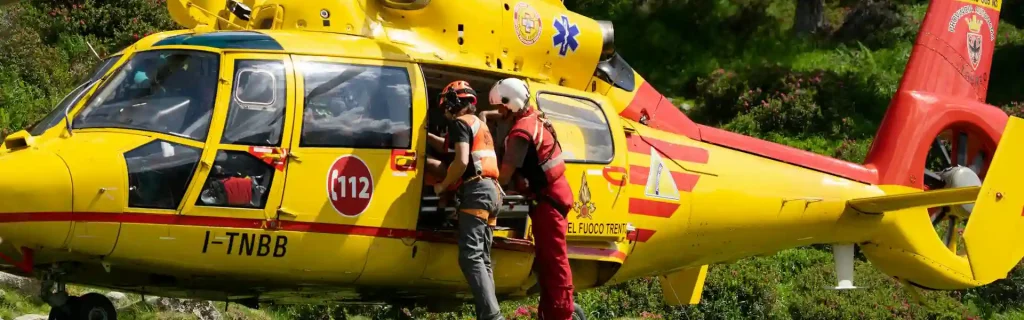
African emergency response depends on strong local partnerships. When an SOS is triggered, the control center contacts the nearest:
- Private medical teams
- Local clinics or hospitals
- Security teams
- Park rangers
- Marine rescue units
- Roadside assistance teams
- Safari lodge management
- Coastal transfer operators
These partners know the terrain, road conditions, wildlife movements, and local risks better than any centralised system. Combining technology with local expertise delivers faster outcomes.
How Communication Is Managed During an Emergency
Once help is dispatched, the control center continues communicating with you through calls or app messages. Operators monitor your condition, provide first aid advice if needed, and tell you where help is coming from and how long it will take.
Your travel agent receives updates so they can coordinate accommodation changes, transfers, or itinerary adjustments. Your insurer is notified at the start, making claim processing easier later. Your next of kin receives an alert so they remain reassured and informed.
Communication remains active until the case is closed.
Why Travel Insurance Alone Cannot Replace Real Time Response
Insurance companies cover medical bills, cancellations, and financial losses. They are not designed to send help, coordinate local emergency teams, track your location, or provide real time guidance. In Africa, time matters. Delayed response can turn a minor incident into a major emergency.
A travel safety app fills this operational gap. When you press SOS, you do not wait for approval or reimbursement. You get immediate human support, active coordination, and the fastest possible path to safety.
Get Fast, Reliable Help Anywhere in Africa
Emergencies can escalate quickly, especially in remote regions or busy urban areas. TravelSafe SOS gives you instant access to a 24 hour control center, accurate GPS location tracking, and coordinated medical or security responders across Southern and East Africa.

FAQS Africa Travel SOS Response 2026
What actually happens when I press SOS while travelling in Africa
When you press SOS in Africa, the response begins instantly. Your GPS coordinates are transmitted to the control center, giving operators your exact location. Within seconds, a trained responder calls your phone to confirm what has happened. If you cannot speak or the call fails, emergency teams are prepared while the operator continues attempting contact. Once the situation is understood, the control center dispatches local responders based on the type of emergency. These may include medical teams, security professionals, park rangers, or roadside assistance. Your travel agent, insurer, and next of kin receive alerts automatically. Operators remain in communication with you until help arrives. This creates a coordinated, fast acting support system designed specifically for African travel conditions.
How does TravelSafe SOS decide what type of responders to send
TravelSafe SOS uses a structured triage process to evaluate each emergency. When the operator contacts you, they ask short, essential questions to identify whether the incident is medical, security related, environmental, or mechanical. They assess your breathing, pain, mobility, surroundings, and immediate risks. This information is combined with your live GPS coordinates to determine which local responders are best suited. Medical emergencies may require paramedics, wildlife incidents involve lodge teams or rangers, and security threats require specialised personnel. The system ensures that the closest, fastest, and most appropriate teams are deployed. This reduces delays and increases the chances of a positive outcome, especially in remote or high risk environments.
Can responders find me if I am in a low signal area
Yes. Africa contains many low signal areas such as national parks, remote villages, island regions, and long desert roads. TravelSafe SOS is built for these conditions. The app uses layered location systems including GPS, multi tower triangulation, offline caching, and route prediction. Even if signal drops temporarily, the control center still sees your last known direction and movement pattern. Responders combine this data with local knowledge of routes and terrain to narrow down your location quickly. Operators will continue trying to contact you while coordinating field teams. These multiple systems allow responders to locate travellers far more accurately than traditional emergency channels, making the process reliable even in remote areas.
How fast is emergency response in African safari areas
Response time depends on distance and terrain, but the process begins immediately after the SOS is pressed. Safari lodges, park authorities, and private medical teams are usually the first to be contacted. These teams understand the routes, wildlife risks, and terrain better than external responders. TravelSafe SOS connects them instantly through the control center. In many safari regions, first responders can reach travellers faster than urban ambulance services because they are already operating within the park. They may arrive in lodge vehicles, ranger units, or dedicated emergency transport. The speed of coordination, not just travel time, is what makes the system effective. Early communication ensures guided instructions are given until help arrives.
What if I am unable to speak when the control center calls
If you cannot speak, the control center does not stop the process. When an SOS is triggered, operators receive your location instantly. If calls go unanswered, responders are kept on standby while multiple call attempts are made. Operators may also send app messages asking for confirmation through simple taps or automated responses. If no communication is possible, the emergency is treated as high priority. The control center will dispatch responders based on your location, last known movement, and environment. Alerts are still sent to your insurer and next of kin so they know something has happened. The system is designed to support silent emergencies, where travellers cannot verbally communicate.
Why is a safety app more reliable than using local emergency services
Local emergency services vary widely across Africa in availability, response times, and coverage. Some regions have excellent infrastructure, while others have limited resources. Many travellers do not know the correct emergency numbers, the nearest hospitals, or the fastest route. TravelSafe SOS solves these issues by centralising all emergency coordination. The control center identifies the best responders in your exact area, whether medical, security, or marine. Teams are called directly without delays. Operators also advise you on how to stay safe while help is deployed. Combining regional networks with professional oversight makes the process more reliable than trying to navigate local emergency systems alone.
Does TravelSafe SOS replace travel insurance
TravelSafe SOS complements travel insurance but does not replace it. Insurance pays for medical bills, cancelled flights, or lost luggage after an incident. It does not send help, locate you, coordinate responders, or provide live guidance. TravelSafe SOS handles the operational side of emergencies. When you press SOS, you get immediate human support, active dispatch, and communication management. Insurance companies often appreciate this because incidents are handled more efficiently. Travellers need both systems: one for real time protection and one for financial reimbursement. Together they provide complete risk protection during African travel.